
Tom Hamilton
Multiple Authors
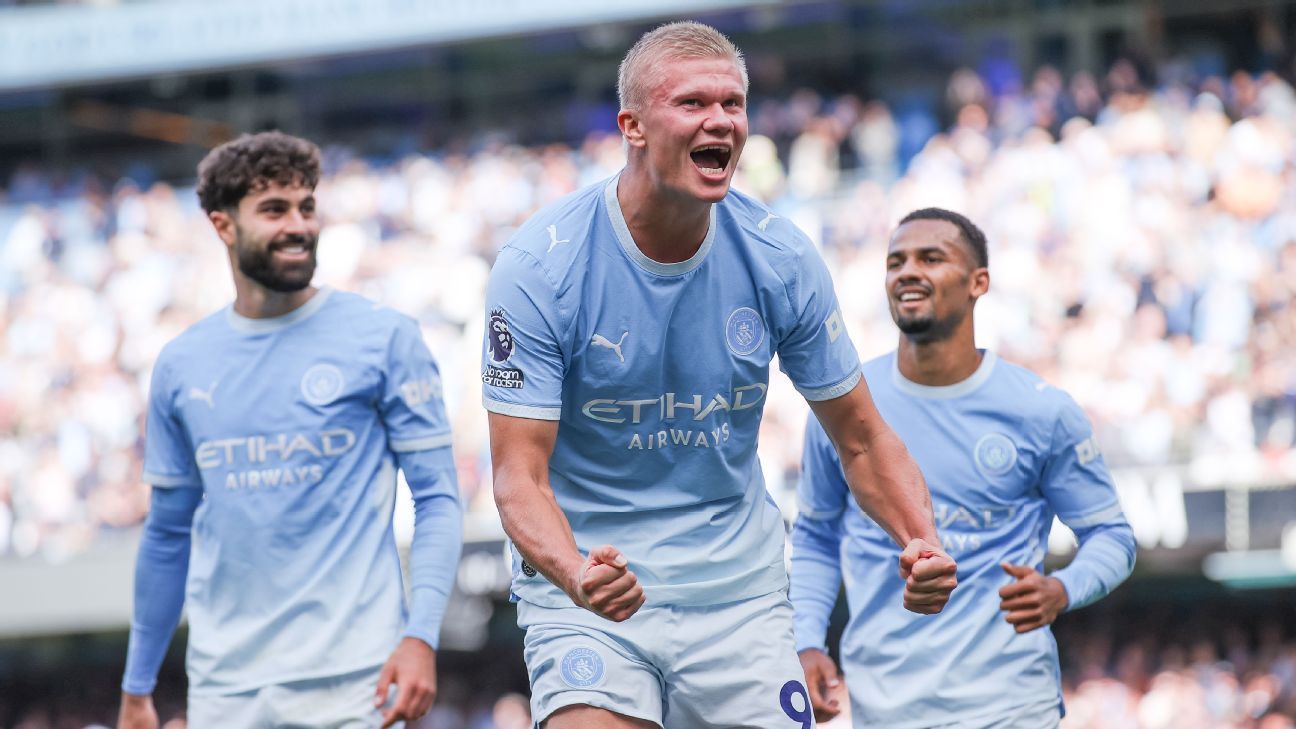
In a surprising moment, Noel Gallagher, Zlatan Ibrahimovic, Jack Grealish, and an unclothed Pep Guardiola responded with disbelief and laughter as Erling Haaland used FaceTime to flaunt his new haircut.
The clip went viral on Haaland’s social media, including YouTube, showing his transformation from long blonde hair—forcing fans to rethink their wig choices for the World Cup promotional extravaganza.
Yet one aspect remains unchanged: the Premier League is now firmly Haaland’s domain.
While the World Cup featured many football icons, Haaland stood out as the only representative from the Premier League among elite players like Lionel Messi and Kylian Mbappé.
With Mohamed Salah’s move to Trabzonspor and Son Heung-Min’s departure to Major League Soccer, Haaland has clearly become the Premier League’s leading star. The managerial landscape has shifted as well, with no iconic managers like Sir Alex Ferguson or Arsene Wenger overseeing teams, marking a unique phase in the league’s history.
But should this spark concern for the Premier League? Might the world’s top league be losing its allure, or is it simply too popular to falter?
The Power of the Premier League
When Sky Sports launched its memorable campaign for the Premier League in 1992, the theme was “a whole new ball game,” underscored by the hit “Alive and Kicking” by Simple Minds. This was more than just an advertisement; it was a declaration of the league’s arrival. Yet at that time, Peter Schmeichel was the lone Premier League star even listed in the top 30 for FIFA’s World Player of the Year award.
The Premier League serves as a platform that enhances careers and raises profiles, with stars like Cristiano Ronaldo, Thierry Henry, and David Beckham cementing their legacies there before moving elsewhere.
According to Shaun Harvey, a non-executive director at Wrexham and former CEO of the EFL, the global appeal of the Premier League continues to thrive, with the league drawing in top talent over the years.
While there have been high-profile signings like Ronaldo and Zlatan Ibrahimovic, the league has seen just three Ballon d’Or winners since its creation, primarily overshadowed by Ronaldo and Messi’s successes.
Simon Chadwick, a professor specializing in global sports, suggests that the Premier League’s long-term success lies in its brand equity, similar to the NFL, and that teams remain the key attractions.
Despite the recent departure of big-name players, the Premier League retains impressive financial figures, with the latest Deloitte report stating its collective revenue for the 2024-25 season reached €8.098 billion, dwarfing other European leagues.
Brand Finance’s “Football 50” also indicated that five clubs from the Premier League ranked among the top ten in brand value, with Arsenal sittingthird after Real Madrid and Barcelona.
This competitive balance draws in investors, such as the consortium led by Jeff Bezos, who purchased a stake in Liverpool this summer, indicating growing interest in the league.
The Personal Touch
Haaland acknowledged the risks associated with cutting his signature hair, noting that during the livestream, he felt nervous but found humor in the moment as he revealed his new look. He joked about fans’ future chants while sharing it on FaceTime, providing a glimpse into his humorous and relatable personality, which makes him appealing to fans.
Steve Martin from MSQ Sport & Entertainment described Haaland as a pivotal figure in the Premier League and emphasized the well-orchestrated image surrounding him while maintaining authenticity.
Many see Haaland’s haircut as significant, reminiscent of David Beckham’s famous head shave two decades ago, with the right team behind him to enhance his brand and engage with fans in genuine ways.
During the World Cup, Haaland grew his fanbase significantly, connecting with American culture while scoring multiple goals for Norway. His Instagram following surged from 40.6 million to 72.7 million, leading all players in follower growth during the tournament, further solidifying his status.
Engaging Younger Fans
A challenge for the Premier League lies in adapting to Gen Z and Gen Alpha’s consumption habits, which emphasize individual player appeal, largely driven by gaming and social media trends. With Haaland firmly in that spotlight now, concern arises about how the league will maintain its allure when he moves on.
Although previously the league boasted numerous standout stars, there seems to be a scarcity of major names now. The emphasis on team over individual brilliance could limit viewers’ attraction to certain matches.
Historically, fans in the UK are team supporters rather than individual stars, while abroad, an individual player might draw interest and shift fan loyalty more easily.
The Evolving Transfer Market
Consistency in drawing attention to star players can be seen globally, exemplified by the enthusiastic welcome Messi received in the U.S. and Salah in Turkey. Such scenes are less common in the Premier League, where player unveilings are more subdued than in other leagues.
This summer, Premier League clubs led global spending with £3.46 billion, focusing more on creating deep and capable squads than acquiring singular big-name talents.
Clubs are employing a more data-driven, collective approach to recruitment, highlighted by their admiration for the methods used by teams like Brighton and Brentford to find value in the market.
Even high-value transfers mostly occurred among Premier League clubs, showing a shift away from such high-risk individual signings. There’s a trend of prioritizing younger players with potential instead of seasoned stars.
Chadwick recalls a time when star signings sparked excitement but asserts that current football is more about team cohesion over individual glamour.
The absence of renowned managers could amplify the spotlight on Haaland, as the tensions once present between high-profile coaching figures helped elevate the league’s storytelling.
Nevertheless, the Premier League continues to thrive. Even as individual stars come and go, the league itself remains robust and continually attracts global attention.
According to Harvey, the Premier League remains the predominant league worldwide. Despite notable player departures, it still leads in global investment, maintaining a vast following with Haaland capturing significant attention.
Premier League CEO Richard Masters affirmed that quality remains abundant in the league, and while it experiences changes, new stars will rise to take center stage.
For now, the spotlight belongs unequivocally to Haaland.
Fan Take: The narrative around Erling Haaland not only highlights the evolution of player branding in contemporary football but also shows how pivotal individual stars can be in sustaining fan engagement amidst shifting dynamics in the Premier League. As the landscape of soccer changes, how Haaland represents the league will have lasting implications for the sport’s global appeal.
Source: www.espn.com