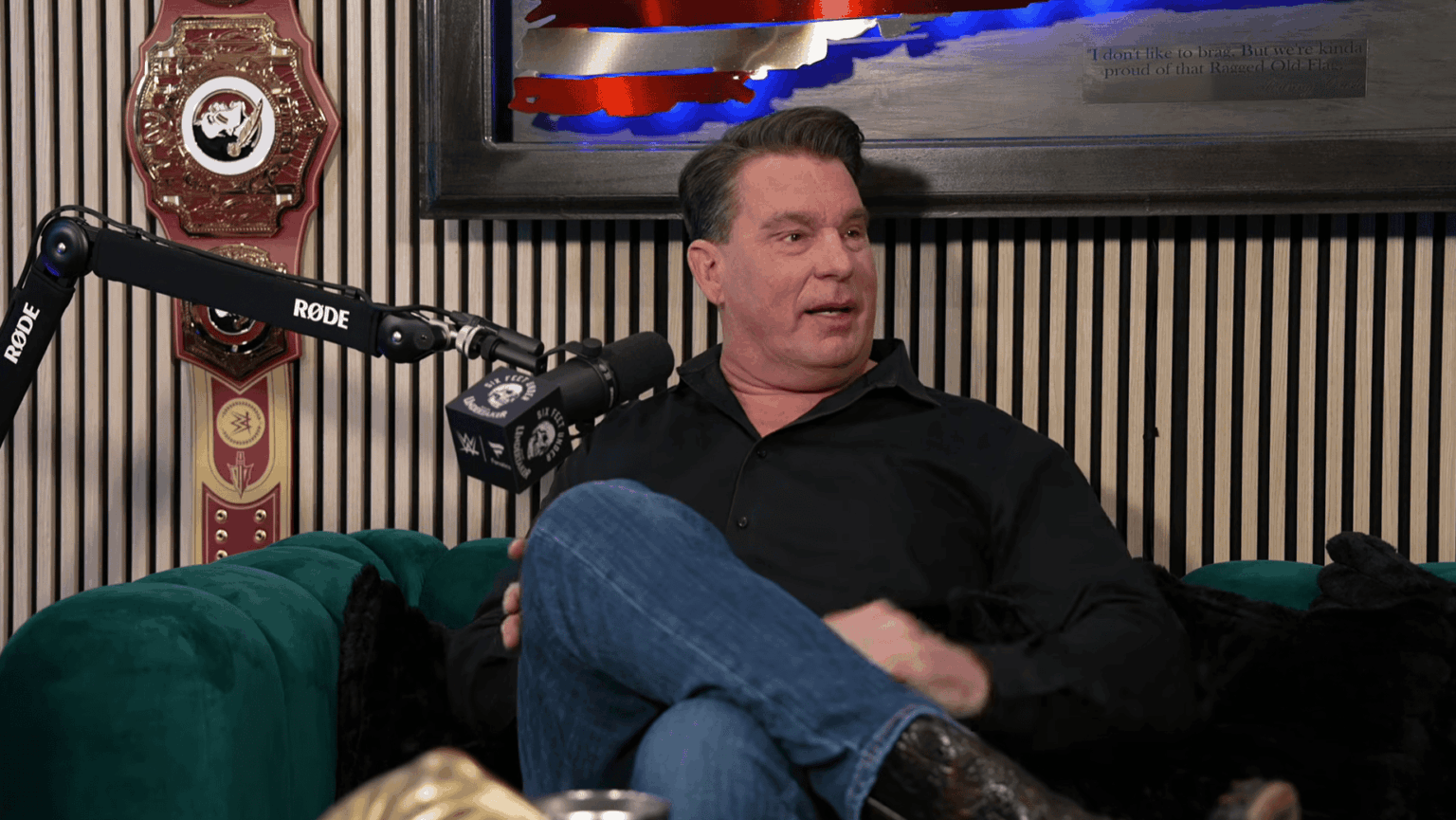
JBL has expressed that wrestlers should appreciate TKO’s decision to adjust talent salaries, emphasizing that those seeking higher pay have a clear path to achieve it. Mark Shapiro recently explained at the Goldman Sachs conference that TKO restructured fighter and star compensation following its major TV deals with ESPN, Paramount, Netflix, and others. He mentioned this shift is already reflected in the company’s financials, with no further negative impacts expected. Shapiro assured that TKO is confident in its position and anticipates continued growth in profit margins. Conrad Thompson shared this quote with JBL on the podcast Something to Wrestle With.
JBL responded by highlighting that a fixed salary brings a fixed challenge. “You’re working with a set amount, and that number won’t change like it did before,” he said. “If income is capped, then costs must decrease — that’s just business.” He was dismissive of the emotional side of the debate.
“I get that some believe WWE should treat them like family, or that companies like WCW did back in the day. But this is a business, not adoption. You’re not moving into someone’s house,” he stated. His advice to anyone dissatisfied with their pay was simple: increase your value.
“If your contract is on the table, these wrestlers are earning good money — probably better than most places. But if you want more, earn it by drawing crowds and ratings. Just like Danhausen, Roman Reigns, CM Punk, or Cody Rhodes have done, find a way to capture attention,” JBL said.
He pointed out that the money must come from somewhere: “There’s a set pot of money, meaning if one person makes more, it’s at the expense of another. That’s always been true — same in football or basketball. If you prove your worth, you get paid more. It’s all about negotiation.”
When asked about how many wrestlers now earn million-dollar contracts compared to his era, he was quick to respond. “Are you joking? It’s multiple times more now. Back then, we never knew what others made. A few guys made top money, but most were just getting by,” he explained.
JBL shared his own starting salary as context, emphasizing fairness in comparisons. “In 1996, my first year, I made around $76,000 while working close to 250 shows. I paid for my own car and hotels, often sharing rooms with three others. It wouldn’t be fair to compare that directly to wrestlers now. Times have changed, and that’s good for them,” he added.
He also praised Vince McMahon for taking excellent care of them during his time, including covering medical expenses and rehab, which wasn’t required but appreciated.
On the current system, JBL views TKO as a well-managed company rather than a harsh one. “Their healthcare is outstanding. They genuinely care for the wrestlers. It’s incredible progress from the days of wrestling in bingo halls or VFWs with no health coverage. However, wrestlers shouldn’t be exploited — and they aren’t,” he said.
These comments come after several wrestlers left rather than accept reduced contracts. Kofi Kingston revealed recently that the pay cuts offered to him and Austin Creed exceeded 50%, prompting them to request releases despite having signed five-year deals the previous year. Both debuted in AEW at All In: London as part of New Level.
Shapiro has maintained a consistent message at conferences, framing TKO as operating with lean costs, rewarding top-tier talent generously, and employing a transparent pay scale formula communicated to its fighters. JBL’s perspective stands firmly on the side that wrestlers must increase their marketability if they want a bigger share, rather than simply demanding more money.
Fan Take: This discussion highlights the ongoing tension between wrestling talent and management over pay structures, showing that financial realities and business models heavily influence the sport. For fighting fans, understanding this dynamic is crucial because it affects roster stability, the rise of new stars, and ultimately, the quality and competitiveness of wrestling entertainment moving forward.
Source: wrestlingnews.co