

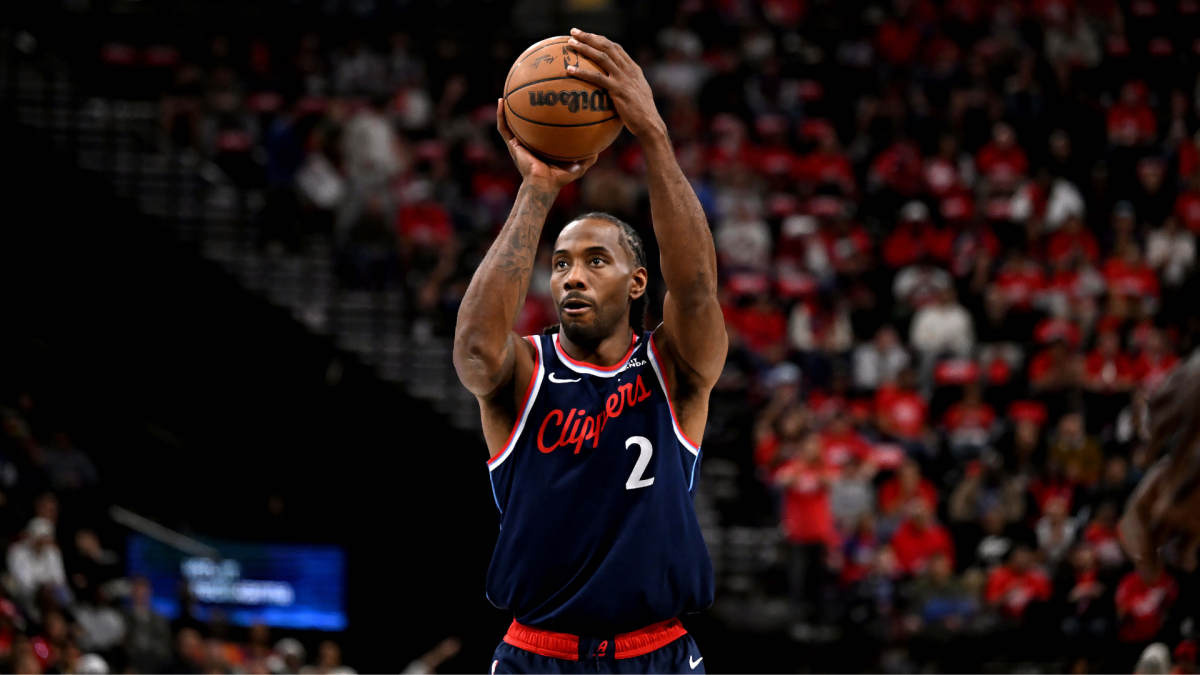
On June 30, the Toronto Raptors finally completed their trade for Kawhi Leonard after a prolonged pause of over two months due to the NBA’s investigation into Leonard and the Los Angeles Clippers. According to ESPN, while the trade is not yet finalized, both teams plan to arrange a trade call to confirm the deal. In return for Leonard, Toronto is sending Brandon Ingram, Gradey Dick, unprotected first-round picks in 2031 and 2033, a 2027 pick swap, along with two second-round picks (2030 and 2033) to the Clippers.
These draft selections are vital for the Clippers, who still owe multiple future picks to the Oklahoma City Thunder and Philadelphia 76ers due to the James Harden trade. Additionally, they recently lost five first-round picks from 2029 through 2033 after the NBA ruled that they had violated the salary cap by illegally providing Leonard with extra money through endorsements. The Clippers have since accepted the NBA’s penalties, with owner Steve Ballmer stating their commitment to moving past this episode. This statement was released just ahead of the NBA owners’ meetings in New York.
The main story, of course, is Leonard returning to Toronto, with his health being the key concern. The Raptors will be watching nervously every moment he is with the team. Leonard is currently entering the final year of his contract, set to earn $50 million in the 2026-27 season, but an extension with Toronto is expected—a major, though unspoken, motivation behind the trade. Leonard had significant say in his destination through a list of preferred teams he would stay with beyond this season.
Leonard arrives coming off possibly his healthiest and best regular season in almost ten years, playing 65 games and finishing seventh in MVP voting while making the All-NBA second team. His presence allows Scottie Barnes—an emerging star who was previously burdened with late-game scoring—to move into a more natural supporting role, similar to Scottie Pippen’s with Michael Jordan. Leonard, an elite scorer in clutch moments via pick-and-roll and isolation plays, will take over the primary scoring duties.
Toronto will need to figure out how to manage overlapping shooting spots between Leonard and Barnes. Leonard’s three-point shooting could help complement Barnes, who struggles from beyond the arc. However, the top priority will be preserving Leonard’s health throughout the rigorous 82-game season and playoffs. Barnes, both alongside Leonard and in staggered minutes, has shown he can shoulder a major offensive load with his mid-range scoring and elite passing skills. R.J. Barrett also remains a reliable 20-point scorer.
Last season, the Raptors flirted with a top-10 offense largely fueled by transition plays—the exact style Leonard excels in. Ingram had been their go-to isolation scorer late in games, averaging 21.5 points and earning an All-Star spot. Yet his slower style didn’t fit well with Toronto’s fast-paced approach; the team struggled by nine points per 100 possessions when he was on the floor, and he was exposed in the playoffs when the Raptors were ousted by the Cleveland Cavaliers in the first round.
According to Fanduel odds as of September 14, the Raptors stand at +850 to win the Eastern Conference behind the Knicks (+360), 76ers (+400), and Celtics (+550). Adding Leonard elevates a team that already won 46 games with a top-six defense and pushed Cleveland to seven games. With Leonard on board, Toronto could truly become an Eastern Conference contender amid a league-wide rise in competition.
Fan Take:
This trade marks a compelling chapter for the Raptors, reviving excitement as they add one of the game’s premier talents. Leonard’s health and performance will be crucial in reshaping the Eastern Conference, making this move a potential game-changer for basketball fans eager to see new contenders emerge.
Source: www.cbssports.com