
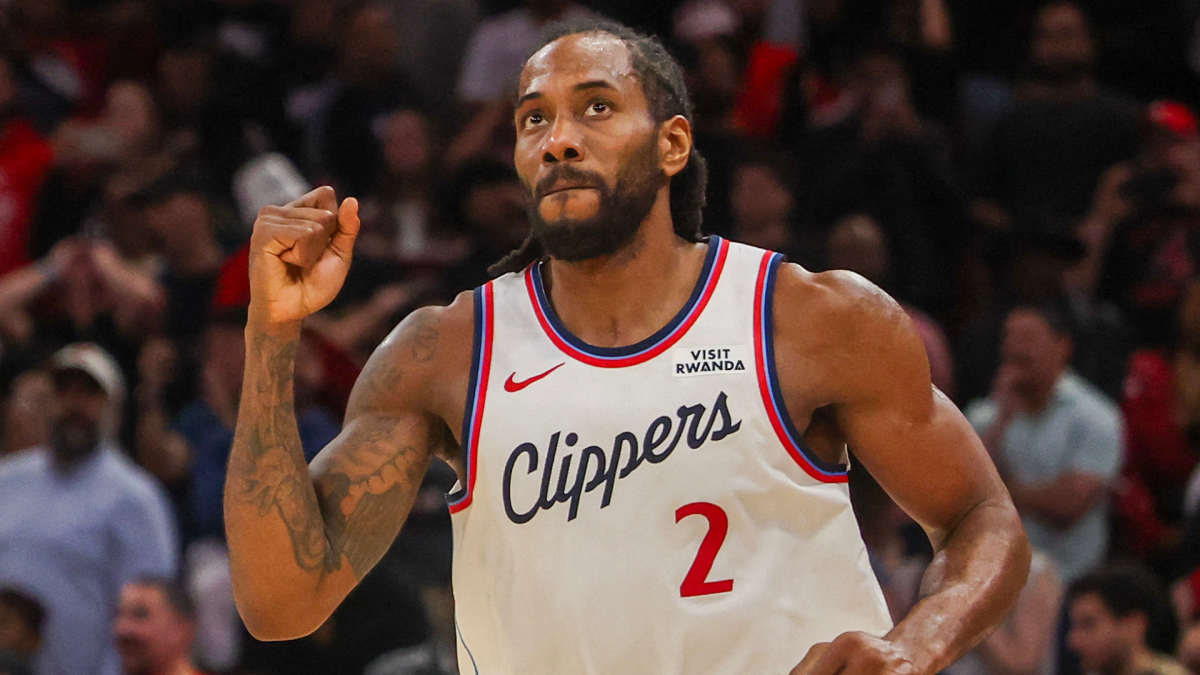
The investigation concerning Kawhi Leonard has reached its conclusion, and the NBA has issued severe penalties against the Los Angeles Clippers. Following the report from law firm Wachtell, Lipton, Rosen & Katz, the NBA’s sanctions include the Clippers losing five first-round draft picks in 2029 (via the Indiana Pacers), 2030, 2031, 2032, and 2033, a $30 million fine imposed on the team, and suspensions for key figures: owner Steve Ballmer and President of Business Operations Gillian Zucker each face a one-year suspension from all team and league activities, while President of Basketball Operations Lawrence Frank is suspended for six months. Additionally, Leonard himself has been fined $700,000, and his uncle, Dennis Robertson, is barred for five years from conducting any business with NBA teams or affiliates on behalf of any players, employees, or league staff.
In response, the Clippers strongly condemned the NBA’s findings and penalties, calling the investigation “heavily biased” and accusing the league of promoting a pre-decided story rather than relying on facts. The team stated that they received conflicting private communications from the league compared to the public announcements and pledged to fight the decision vigorously, seeking a fair and unbiased arbitration process.
Looking ahead, several key questions remain: Is there an appeal process for the Clippers? ESPN reports that the NBA’s decision is final with no formal appeal path—meaning the Clippers’ only option might be legal action, a rarely tried and difficult route given the lack of precedents. The NBPA’s agreement with the penalties further isolates the team in this fight. Historically, legal challenges involving NBA disputes have seen the commissioner, Adam Silver, play a central role in resolution, and the Clippers are prepared to battle despite the odds.
Regarding Leonard’s status, while the Clippers agreed to trade him to the Toronto Raptors in June, the Raptors delayed finalizing the trade out of concern they might inherit penalties tied to Leonard. Now that Leonard has not been suspended and his contract remains valid—only fined—there is every expectation that the trade will proceed. Leonard himself expressed a focus on moving forward positively as he returns to Toronto.
The five forfeited draft picks include four original Clippers picks from 2030 to 2033, while the 2029 pick is from the Indiana Pacers, obtained via a prior trade. Notably, some potentially affected picks, such as those acquired from the Raptors, remain with the Clippers. The NBA’s choice to take an unprotected external pick rather than an encumbered pick they already leveraged suggests a precedent for how future penalties could be applied to teams dealing with complex draft assets. All forfeited picks fall within the next seven years, maintaining the league’s tradition of not penalizing beyond this window.
This case also shines a light on another active NBA investigation concerning the Milwaukee Bucks and Gary Trent Jr.’s contract, which differs from Leonard’s in that it allegedly involves an under-market deal with a promise of later payment once the team regained certain rights. While Leonard’s case concludes with relatively mild personal penalties, if the Trent case is proven, it could lead to severe consequences like contract voiding, as has happened before with major cap circumvention violations.
Finally, the possibility exists that the Clippers might regain some of their lost draft picks, as happened with the Timberwolves after their own cap violation case. However, that earlier restoration hinged on the admitting of wrongdoing and cooperation by the team’s owner, Glen Taylor, a step Steve Ballmer and the Clippers have not taken, opting instead to contest the NBA publicly and legally. Any future decisions on returning picks will likely depend heavily on the Clippers’ conduct moving forward and their relationship with the commissioner’s office.
Fan Take: This landmark ruling sends a strong message about the NBA’s commitment to policing cap circumvention, signaling stricter oversight in the league’s financial dealings. For fans, it highlights the growing tension between team strategies and league rules, shaping how teams build rosters and protect competitive balance in the years to come.
Source: www.cbssports.com