The major professional sports leagues in the U.S. have recently united to address an issue growing harder to ignore: betting-related harassment. This coalition included the NFL, NBA, NHL, MLB, and MLS along with their players’ unions—yet notably, one key basketball union was absent.
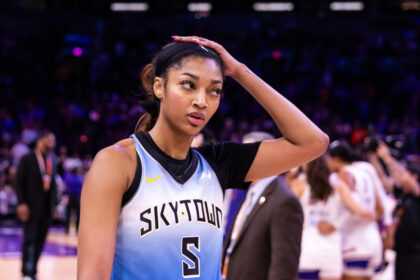
The WNBA Players Association (WNBPA) has sharply criticized their exclusion. Executive Director Terri Carmichael Jackson expressed confusion and disappointment, pointing out that WNBA players have already faced significant harassment linked to betting, making their omission especially perplexing.
On Tuesday, a joint statement was sent to state gaming regulators focusing on harassment of athletes, coaches, and their families tied to betting activities. Despite the WNBPA’s proactive efforts in urging the league and leadership to confront abuse targeted at their players, they were not invited to participate.
Jackson articulated the union’s frustration, stating it’s particularly upsetting given the very public instances of betting-related harassment WNBA players have endured over recent seasons. The WNBPA and league had just met in July to discuss the racist, hateful, and abusive messages aimed at players, with both parties committing to enhanced security measures and partnerships with external organizations.
This recent exclusion is hard for the WNBPA to accept since they are not raising theoretical concerns but pointing to actual incidents their members have faced. The situation is made even more significant by the close relationship between the WNBA and NBA: the NBA owns a 42% stake in the WNBA, and WNBA Commissioner Cathy Engelbert reports directly to NBA Commissioner Adam Silver.
Meanwhile, the other leagues and their unions are jointly requesting gaming regulators across 35 states and Washington, D.C., to implement stronger protections against bettors who threaten or harass players and their families.
For the WNBPA, this raises important questions about fair representation. If betting-related harassment is serious enough to merit joint action from the top leagues, why were WNBA players excluded from this collaborative effort? This incident also highlights ongoing tensions regarding player safety and league leadership within the WNBA. Already advocating for better protections, the union now has added reason to demand explanations for being sidelined from such a significant statement.
The message from Jackson extends beyond just one memo: The WNBPA insists that the safety concerns of WNBA players must be recognized as part of the broader problem, not treated as a separate issue.
Fan Take: This development is crucial for WNBA fans because it spotlights how the league’s players are still fighting for equal recognition and protection. Including the WNBA in these conversations is essential not only for player safety but also for the continued growth and respect of the league within the sports world.
Source: sports.yahoo.com