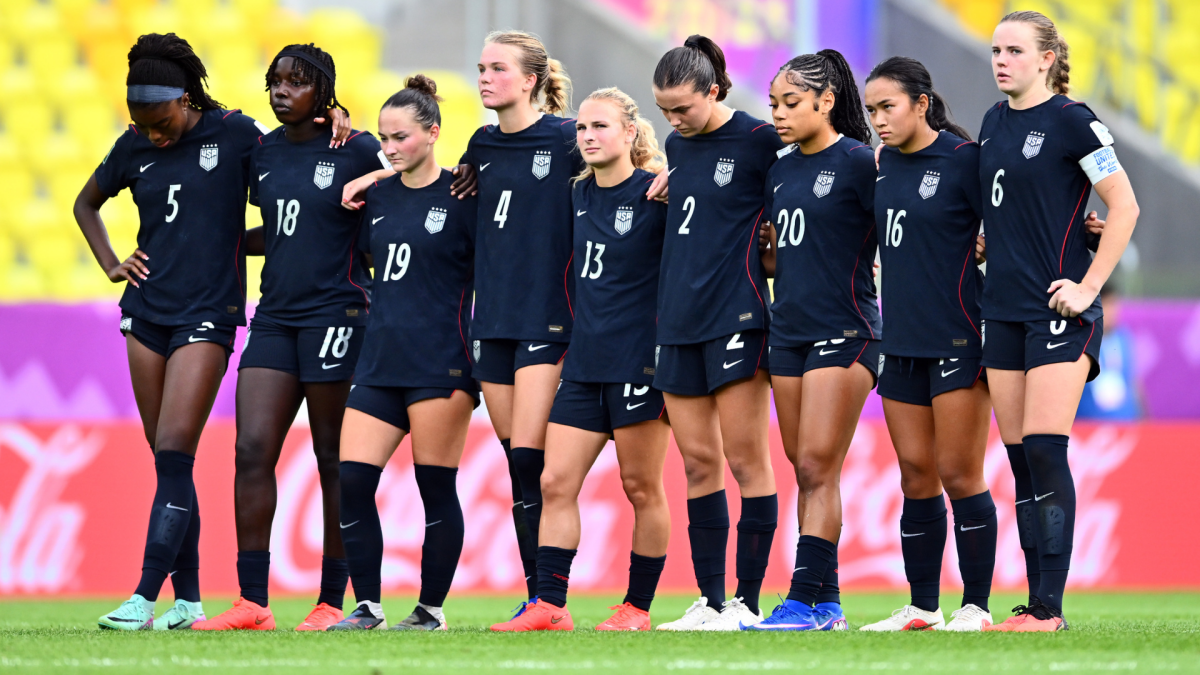
The U.S. U-20 Women’s National Team was knocked out of the Women’s World Cup in Poland during the round of 16 after losing to Brazil in a penalty shootout. The match started with no goals in the first half, but Brazilian defender Sofia Couto scored in the 59th minute following a corner kick. The U.S. leveled the score just four minutes later thanks to midfielder Ainsley McCammon, who capitalized on a chaotic moment in the box to fire a shot from outside the area.
The game proceeded to extra time and ultimately to penalties, where Brazil converted all their shots, while the U.S. only succeeded with four attempts, missing Emeri Adames’ effort that was saved by the Brazilian goalkeeper. The U.S. concluded the tournament with a disappointing record of one win in four matches; their only victory was a dominant 9-0 win against New Zealand in the final group stage match. They opened with a loss against Italy and drew with Japan, finishing third in their group.
This exit marks a continued drought for the U.S. team in the U-20 Women’s World Cup, with their last victory in this tournament dating back 14 years to 2012. It also highlights a trend where the team has not made it to the quarterfinals in three of the last four tournaments, with the exception of a third-place finish two years prior in Colombia.
U-20 Tournament Struggles for the USWNT
The U-20 Women’s World Cup has become increasingly vital for the U.S. women’s national team, serving as a key showcase for emerging players who may transition to the senior team. However, the tournament has encountered significant logistical issues, especially regarding player availability due to club commitments. Senior team coach Emma Hayes has advocated for participation from age-eligible players to build experience, yet many were unable to join their national team due to the World Cup being scheduled outside of FIFA’s international windows.
Hayes highlighted concerns about U.S. players not receiving the same high-level tournament exposure as their European counterparts, which may hinder their adjustment to senior competition. Despite efforts to convince clubs to release players, the response was mixed, leading to some important talents missing out on this crucial experience. This friction underscores ongoing debates about how U.S. soccer infrastructure can enhance youth player development, especially in light of the growing competitiveness in women’s soccer globally.
The mixed results in Poland raise critical questions about whether the U-20 team is well-prepared within the current frameworks of American soccer, especially as the global landscape evolves. The presence of eight players from the NWSL in the squad signals progress, indicating younger players are now exposed to the professional game earlier. Hayes has consistently voiced the need for American players to adapt to professional demands sooner, suggesting that broader inclusion of eligible players could improve the national team’s performance going forward.
The next U-20 Women’s World Cup is anticipated in 2028, although FIFA has yet to confirm the specific dates.
Fan Take: This news is significant for soccer enthusiasts as it sheds light on the challenges facing the U.S. women’s programs, drawing attention to the need for better integration between youth and senior levels. With women’s soccer gaining momentum worldwide, addressing these issues could be crucial for the U.S. to remain a competitive force in future international tournaments.
Source: www.cbssports.com