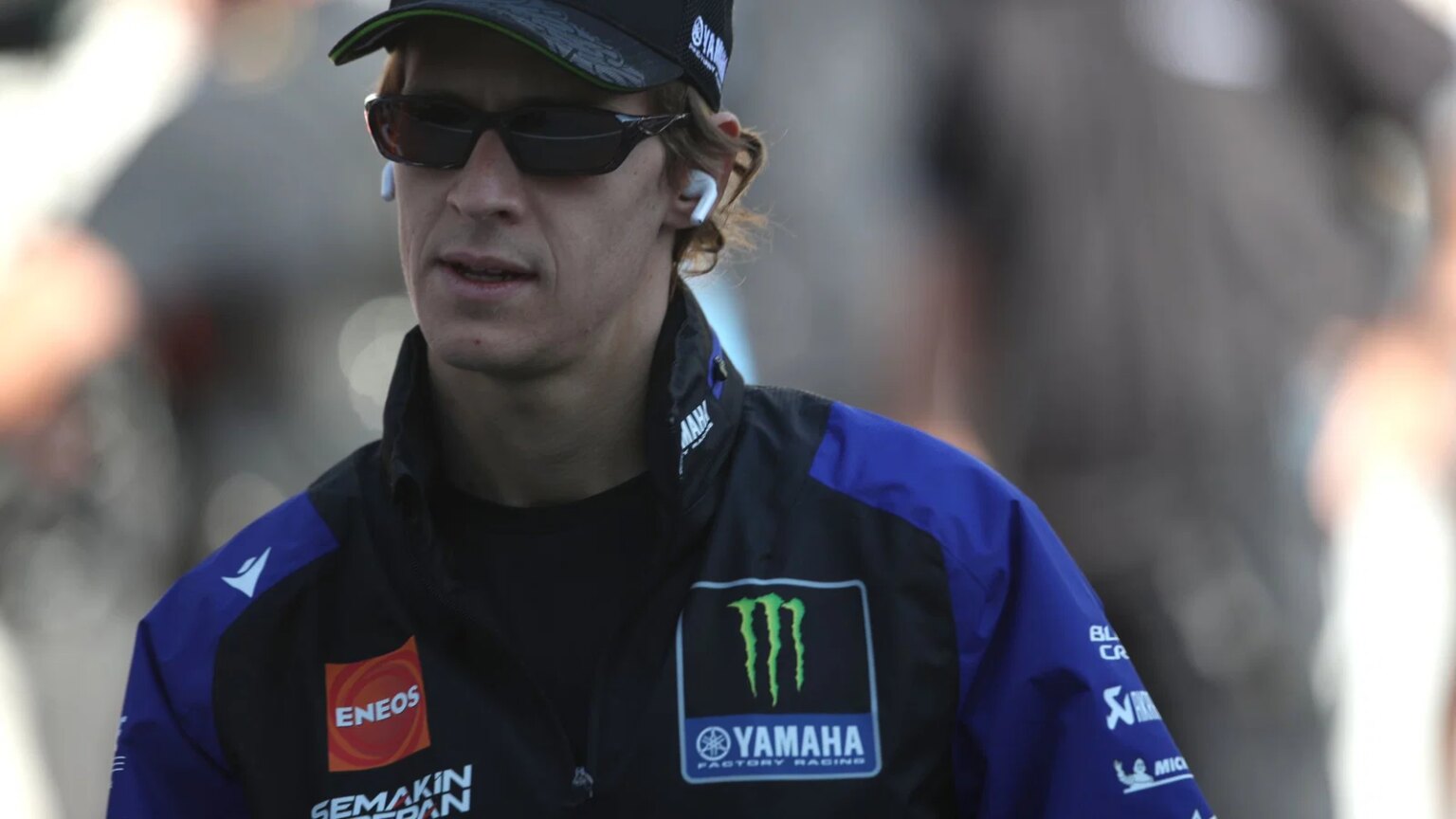
Yamaha’s Fabio Quartararo has suggested that MotoGP should take a page from Formula 1’s playbook by reducing the number of sprint races held each season, amid discussions about introducing a sprint qualifying format. MotoGP implemented the sprint race format in 2023, several years after F1 initially experimented with its own version.
Unlike F1, which hosts sprint races at around six events per year (increasing to 10 from 2027), MotoGP currently runs sprint races at every round of the season. F1 also evolved its format by adding separate qualifying sessions for sprint races, an idea now reportedly being considered by MotoGP.
How this new qualifying format would fit into MotoGP’s already packed weekend remains uncertain. However, Quartararo feels that if sprint qualifying is adopted, the number of sprint races should be scaled back to align more closely with F1’s approach.
“I don’t really know,” Quartararo said when asked about separate sprint qualifying sessions. “But my view on the sprint is if they want to do it like F1, we should have about the same amount of sprint races. That’s what I think we should aim for. I am happy with 10, or even 12, but it’s really intense. The stress during starts, which are the most dangerous moments, is high. If we add a sprint qualifying, then we really need to copy F1’s model.”
The push for sprint qualifying comes only a few years after riders learned about the introduction of sprint races for 2023 through the media, highlighting their limited influence in decision-making. Without a collective union representing them, riders have minimal input on championship changes.
When asked if riders should have more say, Quartararo remarked, “They introduced the sprints without asking us. Now that we have them, they won’t change. We are here to race — if they say 22 sprints, we’ll do 22; if they say 12, we’ll do 12. But we’re not the ones deciding. If we have to do two or even three qualifying sessions, we’ll do that.”
Fan Take: This development is significant for MotoGP enthusiasts as it highlights the ongoing evolution of race formats to enhance excitement and competitiveness. However, balancing the intensity of sprints with rider safety and workload is crucial to preserving the sport’s integrity and the well-being of its athletes.
Source: www.crash.net