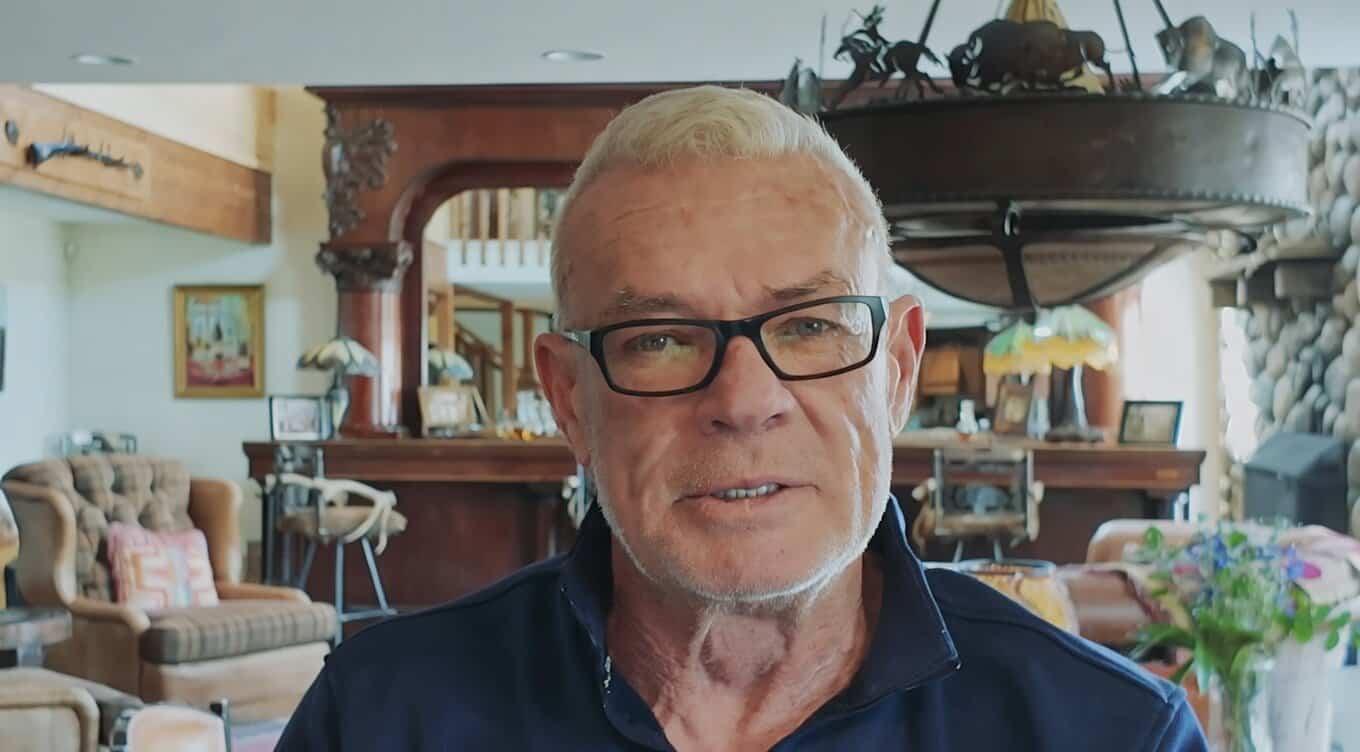
Eric Bischoff anticipates WWE’s international expansion on Netflix will surge dramatically and envisions the company returning to a territory-based system, operating like a franchise. On the latest episode of 83 Weeks, Bischoff discussed this idea after co-host Conrad Thompson highlighted that WWE has already held 40 shows outside the U.S. this year.
Bischoff praised the Netflix strategy, calling it a smart move likely influencing TKO’s decision in the Netflix deal. Drawing on his experience managing WCW’s international business, he shared how challenging it was to pitch wrestling in countries like France, Germany, and the UK due to varying broadcast standards and prime-time restrictions, such as in Germany where wrestling was relegated to late-night slots. Netflix bypasses these issues by offering global streaming access.
He compared the new streaming model to the old syndication system, where promoters individually produced content and negotiated airtime to promote live events—a complicated process. Netflix’s worldwide reach, Bischoff explained, simplifies this and opens the door to exponential growth rather than modest annual increases.
Bischoff also highlighted wrestling’s universal appeal, noting that unlike most programming, it transcends language barriers because audiences can understand the action without sound. The discussion shifted to WWE’s recent three-year deal with Western Australia to host annual events in Perth through 2028, beginning with Wrestlepalooza in December. Bischoff suggested while Australia might be an easier market to enter, Japan would yield faster returns due to its established wrestling culture.
He then proposed the ambitious concept of developing WWE territories as franchises—imagine WWE Japan having local trainers, a Performance Center, and a homegrown roster that resembles a traditional Japanese promotion, rather than just importing WWE shows. He suggested this model could be replicated in India, the UK, Germany, and Ireland, fostering local fanbases that see each branch as their hometown team.
Though similar to past efforts like NXT UK and current operations like WWE’s ownership of Mexico’s AAA promotion, Bischoff admitted this franchise idea might be too large to become reality.
The conversation also touched on market entry into China, where Netflix and YouTube are blocked. Thompson proposed leveraging Disney’s presence—through its ESPN broadcasts of WWE events and its Shanghai and Tokyo resorts—to introduce WWE subtly in China. Bischoff called this a smart “backdoor” approach that could help integrate WWE into Chinese culture, making future TV deals easier despite the country’s difficult market.
Bischoff emphasized that merchandise sales aren’t the main goal; rather, organically embedding WWE in local markets could spark broader acceptance, much like the viral spread of the nWo shirt in the past.
These insights represent personal views and brainstorming rather than any announced plans. The Disney strategy was Thompson’s idea, while the franchise proposition came from Bischoff himself.
Fan Take: This discussion reveals WWE’s potential game-changing strategies for global growth that go beyond traditional broadcasting. If implemented, Bischoff’s franchise concept could revolutionize wrestling by nurturing local talent and fanbases worldwide, making the sport truly international while preserving regional identities.
Source: wrestlingnews.co