

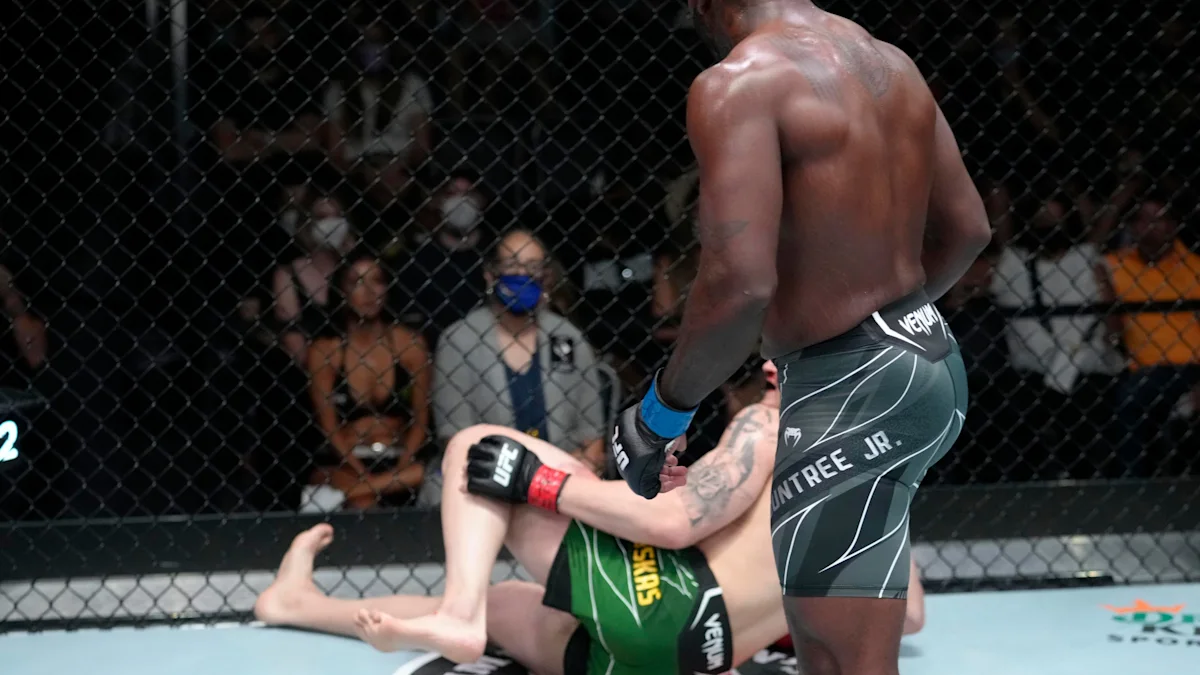
Following UFC 331, Andy Foster, head of the California Athletic Commission, expressed his desire to outlaw the oblique kick due to safety concerns—a stance supported by UFC CEO Dana White. Although I don’t always agree with Foster, this time I find his position a bit excessive. So, let’s break down his cautious approach in this week’s mailbag.
The Proposal to Ban Oblique Kicks
Oblique kicks are undoubtedly tough and can cause significant damage, but should they be banned? That’s unclear. Imposing too many restrictions risks diluting the essence of fighting, where athletes shouldn’t have to constantly hold back. If oblique kicks are outlawed, will calf kicks be next? Where does it stop?
MMA started as a no-holds-barred contest—a modern-day way for humans to determine the best fighter, a pursuit as ancient as society itself. Of course, rules were needed because we’re not in Ancient Rome and fights to the death aren’t acceptable. Every rule introduced in the past three decades has focused on entertainment value, public perception, or safety.
For example, fights have rounds to prevent endless battles that are unwatchable and impossible to market. Banning groin strikes and illegal moves like biting or hair-pulling stems from public distaste and the desire for fair play. Safety-based bans include prohibiting shots to the back of the head and eye gouging to prevent catastrophic injuries.
Oblique kicks don’t fit neatly into any of these categories. There isn’t widespread public outcry against them, and while they’re dangerous, danger itself isn’t the sole criterion for banning techniques—fighting inherently involves risk. The key question is whether the move is excessively dangerous, and the answer seems to be no.
No one dies or suffers permanent life-altering injury from oblique kicks. Sure, knee injuries are painful and debilitating, but the risk isn’t on par with outlawed moves like eye gouges. If oblique kicks were banned for safety reasons, logically leg locks—which often cause serious knee damage—would also be banned, but they’re not. That said, I can understand limiting leg locks at lower skill levels but not at the championship scene.
I recall when calf kicks were nearly banned because they seemed unfair or too strong—that was a foolish idea then, and banning oblique kicks would be just as misguided now. Fighters will get hurt; that’s part of the sport. The focus should be on preventing catastrophic injuries, and a blown-out knee doesn’t meet that bar.
Eddie Hearn’s Role as an MMA Manager
There’s a question about whether working with Eddie Hearn as an MMA fighter is advisable, especially for those in the UFC.
To clarify, as far as I know, Hearn does not handle fight negotiations for UFC fighters. His agreements with fighters like Tom Aspinall and Ian Machado Garry mainly cover endorsement deals and other off-fight income, rather than direct fight contracts. This distinction is important.
However, if a fighter brokers a deal with Hearn, he will likely influence negotiations indirectly, and I anticipate him representing more UFC fighters in the future.
So, does having Hearn as a manager affect a UFC fighter’s career? Probably not in a major way, but it could cause some friction.
Dana White claims he harbors no grudge against Aspinall for working with Hearn, but White is known for holding grudges and is clearly annoyed by the ongoing media battles with Hearn related to Tyson Fury and Anthony Joshua’s boxing saga. White dislikes Hearn intensely, and while fighters should have managers who challenge promoters, there’s a fine line before cooperation breaks down—especially within the UFC.
The UFC holds overwhelming power in contract negotiations, offering fights on their terms. Fighters can accept or reject, but refusing fights usually results in extended contracts without increased leverage. Historically, UFC management prefers minimal financial losses over conceding control.
This dynamic explains why many fighters comply rather than push back—they prefer staying in the UFC’s good graces instead of becoming rebellious outliers. And MMA fighters have generally avoided rocking the boat.
Ultimately, unless Hearn represents a large number of UFC fighters to build bargaining clout, his real influence is limited to provoking Dana White. The UFC boss is more focused on besting Hearn personally than targeting Hearn’s clients. However, fighters managed by Hearn will likely face ongoing questions about this feud, which could become a distraction.
Thanks for reading and to everyone who sent in questions! If you have any combat sports-related queries, send them my way—I’ll answer the best ones in upcoming mailbags.
Fan Take: This debate highlights the ongoing tension between fighter safety and preserving MMA’s raw competitiveness. How regulatory bodies and promoters handle moves like the oblique kick could shape the future balance between fighter protection and the sport’s authentic brutality.
Source: sports.yahoo.com