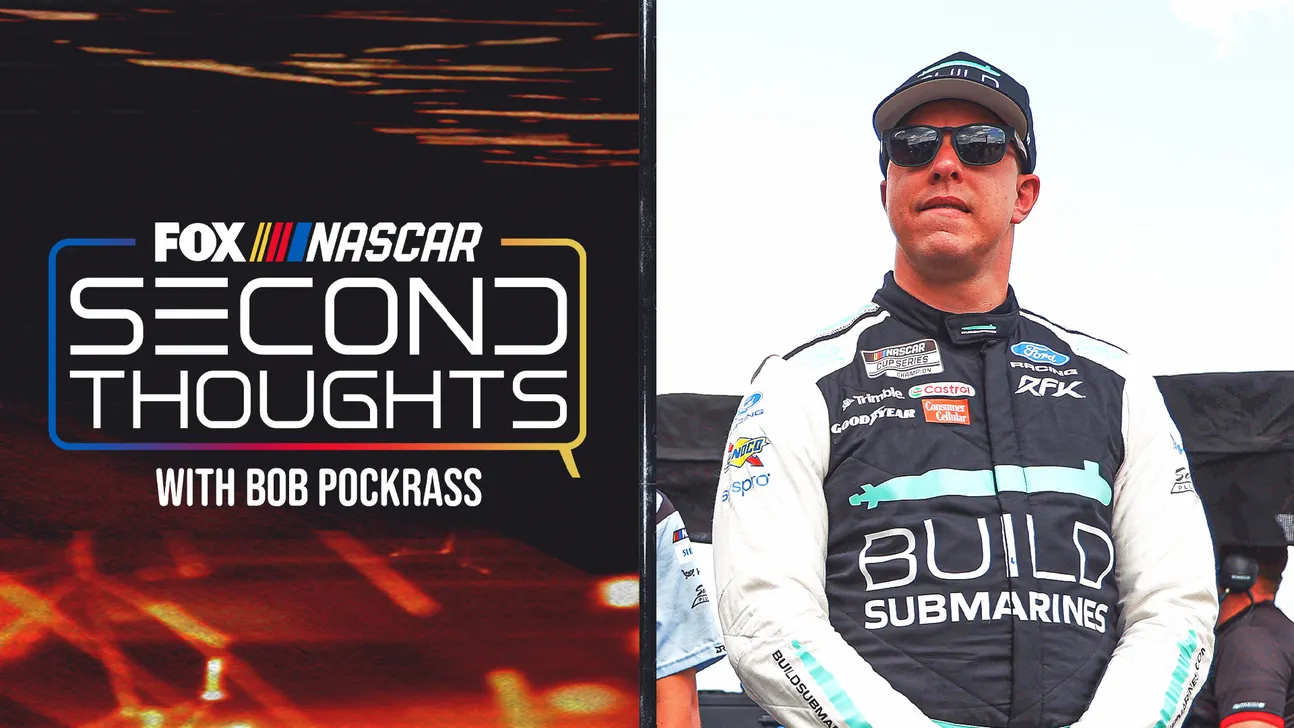
On Tuesday, it was revealed that Brad Keselowski will no longer be driving for his own team in 2027, and he might not even retain ownership. This development highlights two key issues: first, Keselowski’s consistent willingness to stand firm on what he believes matters, and second, the challenges that come with having multiple owners involved in managing a team, which can often lead to internal conflicts.
While having solid investors is beneficial, when a team’s name becomes so lengthy it has to be abbreviated into initials, it may indicate a lack of a strong, unifying leader. Keselowski served as the public face and leader of RFK, especially since Jack Roush was no longer active publicly and the Fenway Sports Group preferred to stay behind the scenes, focusing on sponsorship and guidance. The departure of seasoned team leader Steve Newmark, who left to become UNC’s athletic director, left a leadership gap that new president Chip Bowers hasn’t yet been able to fill or shape with his vision.
Without anyone holding a majority stake on the board, it seems there has been a disconnect between Keselowski and the other owners regarding the team’s direction, whether it pertains to competition, strategy, investment, or personal views. Despite prior assumptions that Keselowski’s driving contract would be settled — especially since his name is part of the team’s initials — recent whispers have suggested otherwise. Insiders had believed he would remain a driver, given the history of hard negotiations bringing all parties together.
Even though Keselowski has only one win in five years with RFK, he has been instrumental in raising the team’s profile, drawing in talent and sponsors. His unique mix of business savvy and racing intellect hasn’t worked for everyone, but RFK has nonetheless seen more wins and increased sponsorship with him on the team. Now, without Keselowski, RF (no longer RFK) faces the challenge of redefining itself. While Chris Buescher and Ryan Preece are talented drivers, neither commands the same level of attention or influence that Keselowski brought.
This split also represents a setback for Keselowski. He can be proud of what he helped build, but there is still unresolved business. Having grown up in racing, Keselowski is no stranger to ownership disputes and career disruptions—drivers and owners often part ways only to reemerge in new roles elsewhere. Importantly, Keselowski wanted significant control over the competition side of things at RFK; the team will now need to find a new competition director since he oversaw those responsibilities. His prior frustration at Team Penske over lack of say might not be solved easily in his next role, raising questions about where he might land.
Still, his entrepreneurial spirit may see him return to team ownership someday, but after this experience, questions linger about who would want to partner with him, or vice versa. The dissolution of this partnership—which seemed like a perfect match between a Michigan native driver and a longtime Michigan businessman reviving a historic racing brand—is disappointing but not unusual in the sport, where ownership struggles and internal conflicts are common.
This situation is definitely complicated and uncertain, making it intriguing to watch how it unfolds. Keselowski is now a free agent, and it may be wise for him to wait before signing with another team. Although he’s 42 and not a long-term solution, his experience, passion, and fan following make him a valuable asset. He isn’t likely to be a conformist and will challenge leadership, which may limit his options, but his credentials and presence cannot be ignored—even if they come with a higher price tag.
The end of Keselowski’s chapter with RFK marks the close of a notable era in racing history. For both Keselowski and RF (without the K), the bigger story is what comes next and how their paths will evolve.
Fan Take: This news is significant for NASCAR fans because Keselowski’s departure shakes up one of the sport’s most prominent teams and highlights the complexities behind team ownership. It could lead to new rivalries and shakeups on the track, ultimately influencing the competitive landscape and business dynamics of NASCAR going forward.
Source: www.foxsports.com