

During a recent Kentucky Horse Racing and Gaming Corporation (KHRGC) board meeting, veteran Thoroughbred trainer and Kentucky Horsemen’s Benevolent and Protective Association (HBPA) president Dale Romans expressed concerns about the number of horse fatalities at both Ellis Park’s meet and Kentucky’s first-ever Quarter Horse meet at Sandy Ridge. Dr. Nick Smith, KHRGC’s chief racing veterinarian, reported that Ellis Park had four racing-related deaths out of 1,901 starts during its 2026 season, along with two fatalities during training, all involving musculoskeletal injuries. This results in a fatality rate of 2.10 per 1,000 starts—a figure Romans described as “pretty high.”
Smith noted that Ellis Park went through July without any fatalities but saw a rise in August, averaging about one death per week, though the fatalities were scattered across different parts of the track, including one on turf. The regulatory team is still reviewing each case in detail by examining postmortem data, veterinary records, and other information.
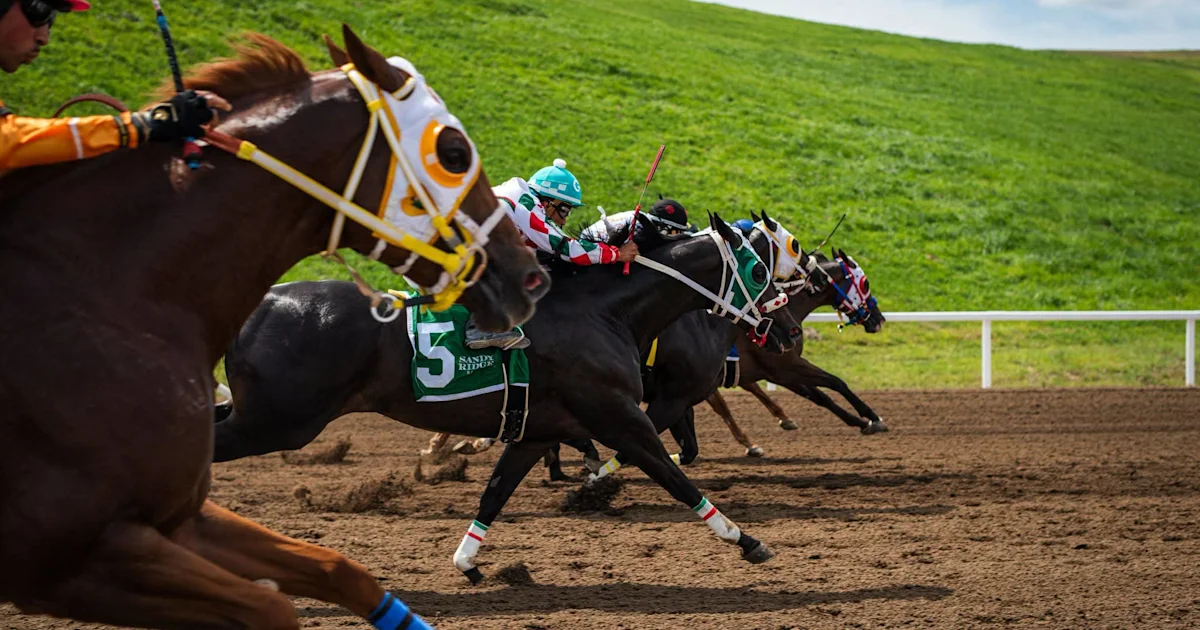
The board’s discussion continued with an overview of the inaugural Sandy Ridge Quarter Horse meet, where three horses died in 481 starts, yielding a fatality rate of 6.24 per 1,000 starts. Smith highlighted that two deaths were musculoskeletal injuries, while one was caused by a traumatic gate injury. In addition, the meet experienced nine ambulance runs and 18 veterinary scratches, with most track scratches related to injuries at the gate or paddock. Romans questioned the board about Quarter Horses’ behavior, and Smith explained that they tend to be more unpredictable in these areas than Thoroughbreds, sometimes leading to accidents.
Board members also questioned whether Sandy Ridge’s fatality rate was typical for Quarter Horse racing elsewhere. Research generally places Quarter Horse fatality rates between 0.8 and 2.0 per 1,000 starts, though study methods vary. A recent 2026 study published in Research in Veterinary Science analyzed Louisiana data from 2014–2022 and found an average fatal injury rate of 1.94 per 1,000 starts, defining fatalities as those resulting in euthanasia within 72 hours of racing.
Romans emphasized that the Thoroughbred industry has worked hard to reduce catastrophic injuries and stressed the importance of preventing a high fatality rate from undermining the growth of Quarter Horse racing in Kentucky. The commission agreed to investigate safety data from other regions that host Quarter Horse racing and report back to the board.
Meanwhile, Kentucky Downs reported no racing or training fatalities in 825 starts. Data from the recent Churchill Downs meet were not yet available at the time of the report.
Fan Take:
This update is crucial for horse racing fans because it underscores ongoing safety challenges as the sport evolves, especially with the expansion of Quarter Horse racing in Kentucky. How regulators address these fatality rates could shape the future of racing standards and influence efforts to protect equine athletes across all disciplines.
Source: sports.yahoo.com