
The departure of RFK Racing co-owner Brad Keselowski at the close of this year caught fans, media, and even insiders by surprise. Having spent five years with RFK Racing, Keselowski was widely regarded as the natural heir to Jack Roush in leading the legendary team. Previously, Keselowski gave up a secure 12-year stint at Team Penske to take on a driver-owner role at Roush after the 2021 season—a move that shocked many. This prompts a look back at some of the most unforeseen breaks in long-standing driver-team partnerships in NASCAR’s modern Cup Series history.
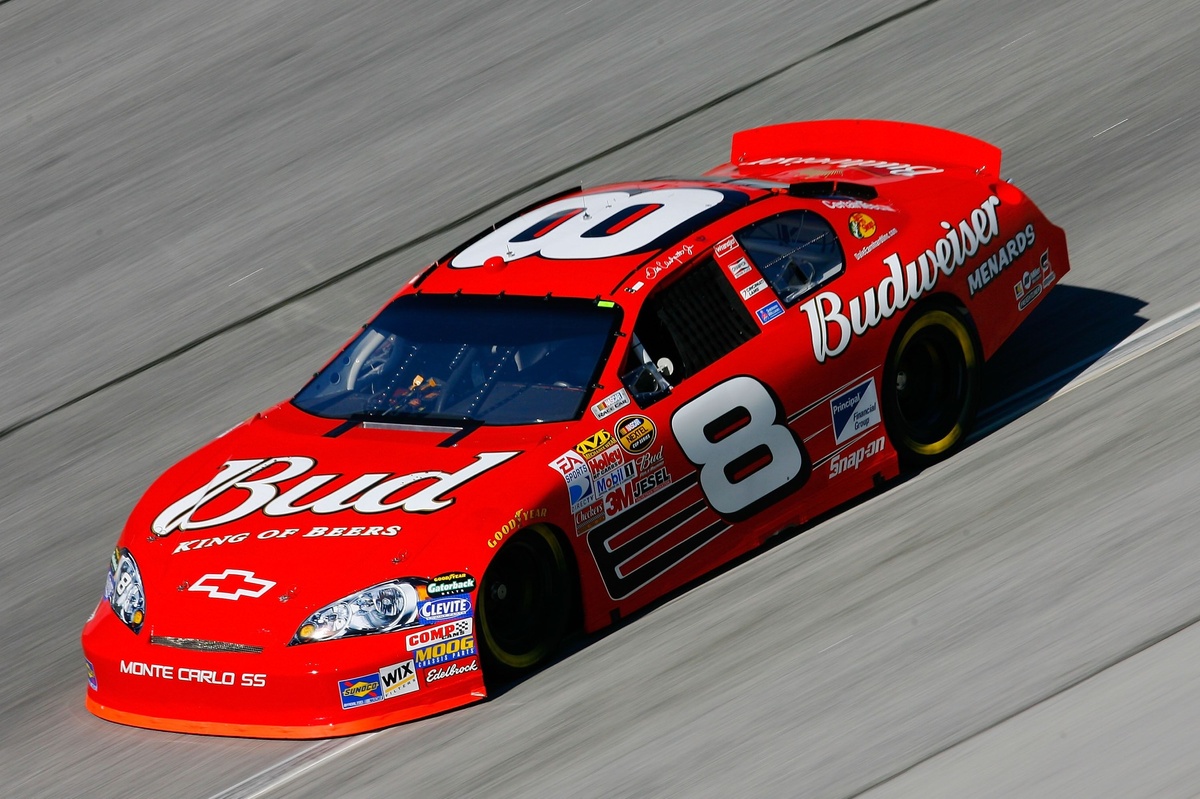
Dale Earnhardt Jr. departed Dale Earnhardt Inc. after eight seasons. Originally, it seemed Dale Jr. would race solely for DEI, the iconic team founded by his father. From his debut in 1999 until 2007, Dale Jr. piloted the famed red No. 8, winning 17 of his 26 career Cup victories with the team, including six wins in 2004. However, internal conflicts, particularly with Teresa Earnhardt—his stepmother and majority owner following Dale Sr.’s death—strained relationships. When Dale Jr. sought ownership in the team and was refused, he eventually moved to Hendrick Motorsports to finish his career.
Kyle Busch left Joe Gibbs Racing (JGR) after 15 seasons. Joining JGR in 2008, Busch earned 54 out of his 63 career Cup wins driving the No. 18 Toyota and secured championships in 2015 and 2019. Though many expected him to retire with JGR, a sponsorship fallout with M&M’s and unsuccessful contract talks led to his surprise exit following the 2022 season. Ty Gibbs took over the seat, renamed the No. 54, while Busch moved to Richard Childress Racing until his untimely death in May 2026.
Kevin Harvick’s 13-season run with Richard Childress Racing (RCR) ended in 2013. Harvick stepped into the challenging role following Dale Earnhardt’s tragic death at the 2001 Daytona 500, delivering an emotional win in only his third race. He scored 23 of his 60 career wins with RCR, the only driver besides Earnhardt to surpass 20 wins with the team. Seeking new horizons, Harvick joined friend Tony Stewart at Stewart-Haas Racing in 2014, kicking off with a championship victory. However, his departure didn’t come peacefully, including clashes with younger drivers and some tension with RCR before eventual reconciliation.
Tony Stewart left Joe Gibbs Racing after a decade. After establishing himself as an IndyCar champion, Stewart began his Cup career with JGR in 1999, winning championships in 2002 and 2005 and notching 33 of his 49 career wins there. Yet his desire to become a team owner led him to acquire Gene Haas’s NASCAR operation, founding Stewart-Haas Racing. Discomfort with JGR’s switch to Toyota, given his ties to General Motors, also factored into the decision. Though surprising at the time, Stewart quickly turned SHR into a powerhouse, claiming another drivers’ title in 2011 and an owners’ championship in 2014 before the team closed after the 2024 season.
Matt Kenseth and Carl Edwards both parted ways with Roush Fenway Racing after lengthy tenures. Kenseth began his full-time Cup journey in 2000, winning 24 of his 39 career races with Roush and securing the 2003 championship. Edwards started full-time in 2005, accumulating 23 wins with the team and coming close to titles, notably during his nine-win 2008 campaign. Both left for Joe Gibbs Racing amid Roush’s decline, with Kenseth’s move seen as a leap to the “dark side” and Edwards eventually retiring after a heartbreaking loss in the 2016 finale without ever claiming a championship.
Bonus: Brad Keselowski’s unexpected departure from both Team Penske and RFK Racing illustrates his unpredictable career path. After spending 12 years at Penske and earning the 2012 championship—Penske’s first in Cup—Keselowski pursued team ownership ambitions elsewhere. Joining Roush-Fenway in 2022 as driver and co-owner, he helped rebrand the team to RFK Racing and brought competitive improvements, though he only secured one win in that stint. Recent reports indicate internal disagreements over team direction and the absence of a charter for RFK’s No. 60 car in 2027 led to Keselowski’s shocking exit, leaving his future in NASCAR uncertain.
Fan Take: This wave of unexpected splits shakes up NASCAR’s landscape, highlighting how even the most entrenched partnerships can unravel for various reasons from personal conflicts to business decisions. For fans, these moves mean fresh storylines and new rivalries, underscoring the sport’s ever-evolving nature and the high stakes drivers and teams face beyond the race track.
Source: www.motorsport.com