

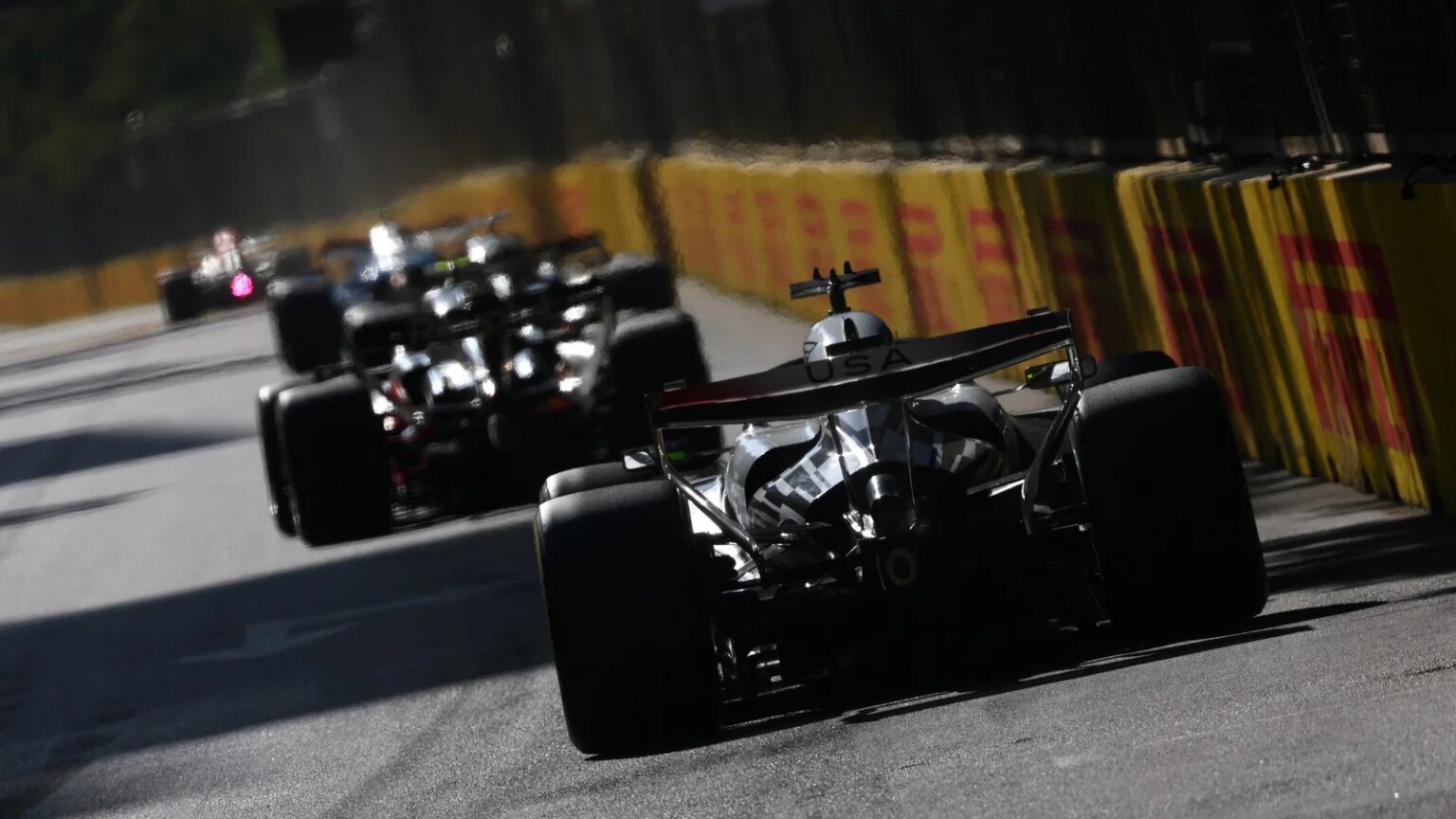
Sergio Perez revealed that he barely escaped a serious collision during the Formula 1 Azerbaijan Grand Prix, raising concerns that “something bad is going to happen” if issues aren’t addressed. The new 2026 power unit regulations, which split energy usage evenly between electrical and internal combustion sources, have faced heavy criticism from both drivers and fans alike.
While much of the backlash has focused on the negative effect these rules have on the race excitement, safety worries are also widespread. Drivers have voiced apprehension about the dangerously high closing speeds caused by the energy harvesting requirements of the new engines. A recent incident involving Franco Colapinto and Ollie Bearman in Japan highlighted these concerns. From next season, the power split will shift slightly to 47/42, followed by a bigger change to 60/40 in 2028.
Perez once again sounded the alarm after his close call in Baku. “We really need to review the energy management systems and the engine disparities,” the Mexican driver said after the race. “I nearly had a massive crash with Liam Lawson while defending because the differences in engine power deployment are too risky. I fear something serious could happen soon unless the regulations are changed.”
He also pointed out that the current performance gap between Mercedes and Red Bull Ford engines and the rest of the field is “too dangerous.” Perez hopes the differences can be narrowed because right now these disparities allow top teams to deploy power in ways that endanger others. “The speed differences are a big safety concern.”
Perez used Ferrari’s updated power unit for the Azerbaijan GP but still failed to get Cadillac into Q2 for the first time this year, finishing 14th and leaving the team still searching for its inaugural points. His teammate Valtteri Bottas crashed out late in the race, blaming a car system malfunction triggered after running wide earlier on. Cadillac remains the only team yet to score points this season.
Fan Take:
This warning from Perez is a crucial wake-up call for Formula 1, highlighting that technological innovations must prioritize driver safety alongside competition. If the power unit disparities aren’t addressed promptly, fans could see more dangerous incidents that threaten both the sport’s integrity and its future excitement.
Source: www.crash.net