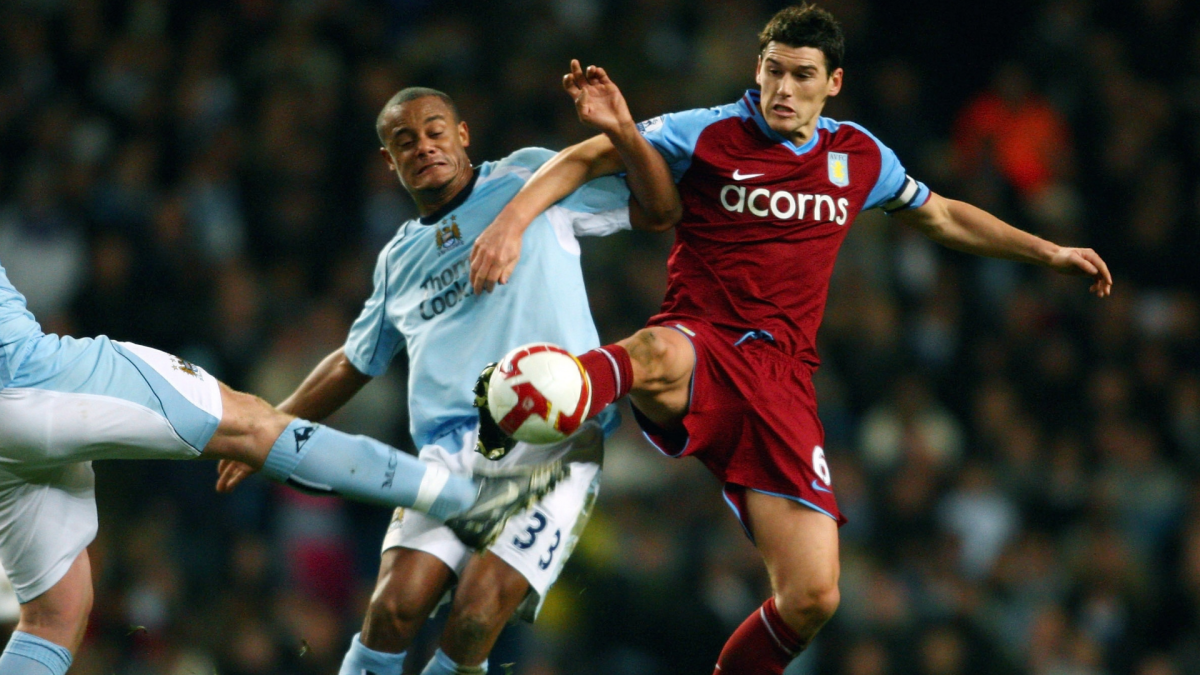
This past week’s developments have underscored the pivotal moment in early 21st-century English football: the purchase of Manchester City by the Abu Dhabi United Group. Backed by immense state wealth, a club that hadn’t celebrated a significant trophy since the 1970s has remarkably claimed eight Premier League titles within 12 years, along with a Champions League victory and numerous domestic cups.
The outrage from other clubs in the Premier League and beyond following revelations of Manchester City’s financial misconduct reflects a shared question: How different might the last 18 years have been if all clubs adhered to the same rules? For teams such as Stoke City and Watford, reaching cup finals felt like once-in-a-lifetime achievements, while others grapple with the potential revenue lost from missed Champions League qualifications and lucrative sponsorships.
What different futures could some teams have envisioned had the City takeover not occurred?
Clubs on the fringes of the ‘Big Six’
To understand this, let’s look back at the end of the 2007-08 season. Notably, Manchester City held the ninth position with 55 points, their lavish spending under their controversial new owner, Thaksin Shinawatra, resulting only in an uninspired mid-table finish, which had been their status since their promotion in 2002.
<p>Back then, the Premier League had a narrower elite—a “Big Four” comprising Chelsea, Liverpool, Manchester United, and Arsenal. Chelsea, boosted by Roman Abramovich’s investment, had consistently claimed top rankings, largely unmatched in financial power. Still, some clubs were striving to catch up.</p>
<div class="ArticleShortcode-container">
    <div class="ArticleShortcode-text">

        <p>Manchester City has confirmed its appeal against the verdict of the Premier League's independent commission regarding rule violations.</p>
        <p>
            James Benge
        </p>
    </div>
    <div class="ArticleShortcode-imageContainer">
        <figure class="ArticleShortcode-image img"><img class="" alt="Manchester City confirms appeal against Premier League's independent commission's verdict on rule violations" src="https://sportshub.cbsistatic.com/i/r/2026/10/02/a3c9b2d9-d1c3-4661-a574-0c2820cfb762/thumbnail/270x152/bca5f2d2fa2350f819a7c6a87f24d2a5/untitled-design-2026-10-02t142520-040.png" loading="lazy" height="152" width="270"/></figure>
    </div>
</div>

<p>Everton was one club that managed to disrupt the Big Four's hold on Champions League spots, although 2007-08 was notable as Liverpool qualified regardless, being defending champions. Everton and City share a rich history and large fanbases, often contrasted with their more glamorous neighbors, especially Liverpool. David Moyes consistently delivered fifth or sixth-place finishes without the financial clout of those above. While City made headlines by spending big on stars like Robinho, Everton's marquee signing that summer was Marouane Fellaini for £15 million, significantly funded by the sale of Andrew Johnson.</p>
<p>This stark difference in resources led Moyes to later liken facing City to “going into a gunfight with a knife.”</p>

<p>Even before City's emergence, Everton faced financial challenges. Another club hinting at breaking into the upper tier was Aston Villa. Under Martin O'Neill, the youthful squad featured players like Gabriel Agbonlahor and Gareth Barry, complemented by other talent, yet financial limitations kept them from challenging the top four.</p>
<p>Villa's owner, Randy Lerner, expressed his intent to invest, but following a decade of overspending, the club found itself relegated to the Championship. This expenditure would have placed them in contention pre-2008, yet amounted to just half of what City supposedly spent on bolstering their income through sponsorships.</p>
<p>"We felt Champions League football was just around the corner,” recounted Reo-Coker about the atmosphere as the 2008-09 season commenced, starting with a solid win over City. "We saw ourselves as the outsiders ready to break through."</p>

<p>The same belief could have been held by several clubs, including Everton and Villa, who saw access to Champions League riches as just a single opportunity away. During a period when the Premier League was on the verge of becoming a broadcasting giant, any stumble by the established teams could have opened significant doors for these clubs. "We would’ve been that club," stated Reo-Coker, reflecting on their growth trajectory, expressing optimism about breaking into the top six. They had momentum and ambition, aiming to establish a presence in Europe.</p>

<p>Then came the City takeover, which shifted the dynamic entirely. Players familiar with Chelsea's swift ascent recognized the implications as negotiations for stars like Robinho and Dimitar Berbatov intensified. "On that day, we sensed a significant shift," Reo-Coker recalled. "Smart players would’ve understood this was another Chelsea saga. The landscape was changing; money influences everything."</p>

<p>City’s inaugural full summer under new ownership signaled the end of stability for clubs like Villa and Everton. The pursuit to retain key players like Barry soon waned, as others followed the path of big spenders like City. The financial demands introduced by City posed challenges that rival clubs struggled to match. The frustration among Everton and Villa supporters is palpable, especially as these clubs have felt the strain of the Premier League's financial regulations. Villa, under new ownership, has attempted to challenge spending limits while undergoing an ongoing rebuild, often losing talent to wealthier clubs. Despite hefty efforts, Everton faced penalties for breaches in spending regulations and a lawsuit from Burnley related to their poor financial strategy.</p>

<h2>The upper echelon's new reality</h2>
<p>Arsenal also experienced the effects of City siphoning off talent, with notable players like Emmanuel Adebayor and Kolo Toure transferring in 2009, followed by Samir Nasri and Gael Clichy two years later. However, the situation for Arsenal differed since they needed to sell players to fund their transition to the Emirates Stadium, a move they had anticipated even before the financial landscape shifted. Their ambitions had once revolved around revenue growth from matchdays, but they found themselves under pressure from clubs that suddenly possessed extensive funds.</p>

<p>Despite selling key players, Arsenal seems to have emerged well from the transaction, gaining approximately £72 million in revenue when such figures seemed astronomical for a Premier League midfielder. City acquired players who offered moments of brilliance, yet none matched their previous peak performance. While the departures stirred anxiety for Arsenal, time has revealed them to be astute financial moves. It’s reasonable to speculate that Arsenal could have secured additional trophies had City’s financial might not disrupted their play.</p>

<p>The loss to Guardiola’s City in the 2018 EFL Cup Final epitomized Arsenal’s decline; a decline accelerated by their inability to match up to teams like City, who were consistently breaking the 75-point barrier while Arsenal struggled. Indeed, can anyone convincingly argue that Arsenal lost a Premier League title due to City’s rise? As it stands, the major teams were able to absorb City joining their ranks—their core status remained intact despite the fierce competition.</p>

<p>What Arsenal cannot dismiss is their experience in recent seasons. Over the last few years, Mikel Arteta’s side has notably improved recruitment and developed a cohesive style of play, garnering a passionate fan following. However, their accomplishments seem shadowed, as they often find themselves overwhelmed when contending with a City team, which has amassed significant advantages since 2018 despite having lost some of its edge in scouting talent.</p>

<p>No club felt the strain of competing against City more deeply than Liverpool—having missed out on their first title in 25 years in 2014. Klopp’s side did manage to capture a Premier League title during a strong three-season period, but the lack of fanfare due to COVID-19 obscured their achievements. There are rumblings of retribution, as Liverpool contemplates potential compensation following City’s guilty verdict. However, no punitive actions can recreate the sensations tied to the triumphs they perhaps deserved.</p>

<p>Initially, Klopp responded lightly regarding the possible stripping of titles, but as the seriousness of potential sanctions has escalated, his attitude has shifted. "I'm not preparing myself for that and don’t have feelings about it," he shared recently. "I’m content with our achievements and the timeline." Despite his composed public demeanor, it’s clear he feels unjustly shortchanged.</p>

<p>The uncertainty surrounding the City takeovers does provoke engaging 'what if' discussions. Would Klopp have found Liverpool as appealing if Brendan Rodgers had secured the league title before his appointment? Where might Guardiola have gone? Sir Alex Ferguson had once hoped for him to succeed at Old Trafford, and Guardiola had an earlier affinity for Arsenal.</p>

<p>The contrast between the experiences of elite clubs versus clubs like Aston Villa and Everton illustrates a profound shift; City raised the competitive standards within the league so that maintaining excellence became a prerequisite for title contention. In a realm devoid of City’s financial influence, Arsenal, Manchester United, and Liverpool still lost out on many trophies but their foundational status remained intact throughout this perceived disruption. Even with upcoming financial regulations under review, these clubs will continue to benefit from their inherent advantages of history, size, and location. Future contenders may emerge, but dismantling the Premier League's elite could require more than just the kind of transformation that City introduced.</p>

<h2>City’s path</h2>
<p>Then there’s Manchester City itself. It’s fundamental to acknowledge that their recent successes would have likely been inconceivable without backing from Abu Dhabi. Noel Gallagher, Oasis’s primary songwriter and a prominent City fan, encapsulated this sentiment perfectly in a 2024 interview.</p>
<p>"When I explain to my young son how it used to be, I say: 'If City hadn’t been bought by Sheikh Mansour, we could have easily found ourselves in a cycle of failures and empty promises, much like Everton,'" Gallagher remarked. "City’s path over the last two decades would resemble that of any other Premier League team without that investment."</p>

<p>Before the takeover, City ranked as the 21st richest club in Europe concerning revenue, behind significant rivals like Manchester United, Chelsea, and Arsenal. The club had access to a 48,000-seat stadium with a modest annual lease. In the years leading to the takeover, they had developed exciting prospects through their academy and retained a handful of memorable players.</p>

<p>Given those circumstances, a well-managed club could have forged a path as a solid contender for European qualifications, much like what West Ham, Leicester, Aston Villa, or Newcastle occasionally achieve. Indeed, a few lucky breaks could have propelled City to surpass clubs like Villa and Everton through fair play. Would City fans prefer this alternative route over the glittering path they've recently traversed? Many, including Gallagher, assert they wouldn't trade their dramatic journey, but the impending disciplinary actions might reshape their perspectives.</p>
Fan Take: The recent controversies surrounding Manchester City serve as a stark reminder of how financial power can reshape not only the fortunes of clubs but the competitive landscape of football itself. For fans, these developments highlight the need for transparency and fairness in the sport, ensuring that success is rooted in fair competition rather than unchecked financial influence.
Source: www.cbssports.com