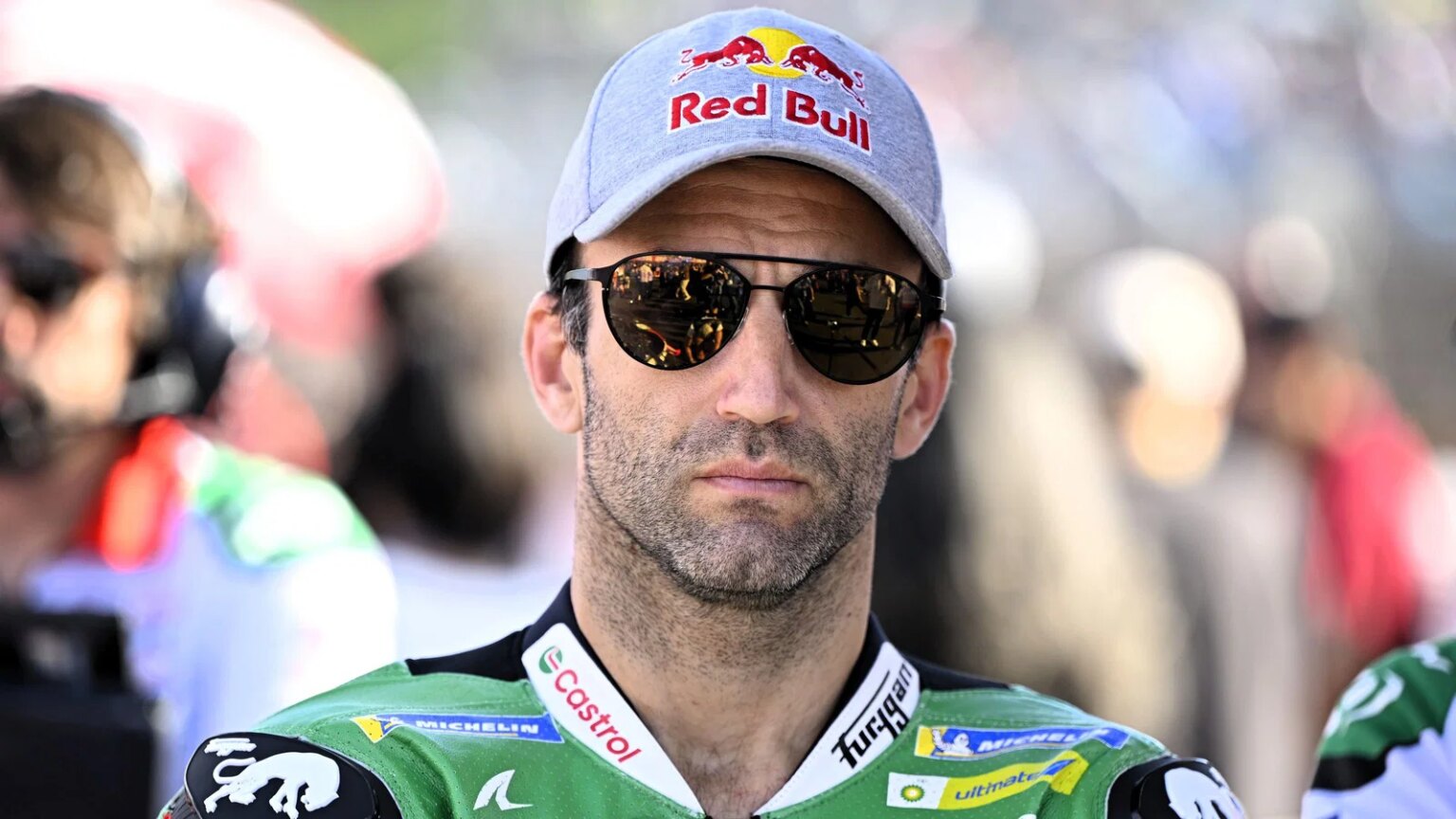
Johann Zarco has run afoul of MotoGP’s new engine restart regulations for 2026, which prohibit riders from push-starting their bikes on the trackside. This rule breach happened after Zarco crashed during the Sunday morning warm-up session at Motegi and led to him receiving a double long lap penalty at the Japanese Grand Prix today.
The FIM Stewards reported that Zarco was seen trying to restart his stopped bike at Turn 9, in front of the initial safety barrier, and in the opposite direction, creating a potential hazard for himself and others. This action was against the clear instructions issued to all MotoGP riders and teams, violating Article 1.21.4 of the FIM Grand Prix World Championship Regulations.
According to the official penalty explanation, during all track activities—including sighting laps, warm-ups, practice sessions, races, sprints, and after any red flags—any motorcycle that is not running, whether due to crashes or technical issues, must be immediately removed by marshals behind the first safety barrier. Machinery in these conditions on the track or runoff areas will be taken behind this barrier where marshals can help by lifting or holding the bike while repairs or adjustments are made. Any fixes or adjustments should be conducted behind the safety barrier, typically in the service road, with only the rider working alone and marshal assistance allowed. Push-starting of any motorcycle is strictly forbidden on the track side of this barrier, and no individuals other than riders or marshals are permitted beyond this protection line.
Zarco managed to post the twelfth fastest time in the extended warm-up session despite the incident. Additionally, Alex Marquez was also handed a double long lap penalty for the Japanese GP after causing a multi-rider collision on the opening lap of the Sprint race.
Fan Take: This enforcement of the new engine restart rules highlights MotoGP’s increasing focus on rider safety and regulation compliance, which is crucial as the sport evolves. For racing fans, it signals stricter race management that could dramatically influence race strategies and rider behavior on and around the track, ensuring a safer and more controlled competition environment.
Source: www.crash.net