
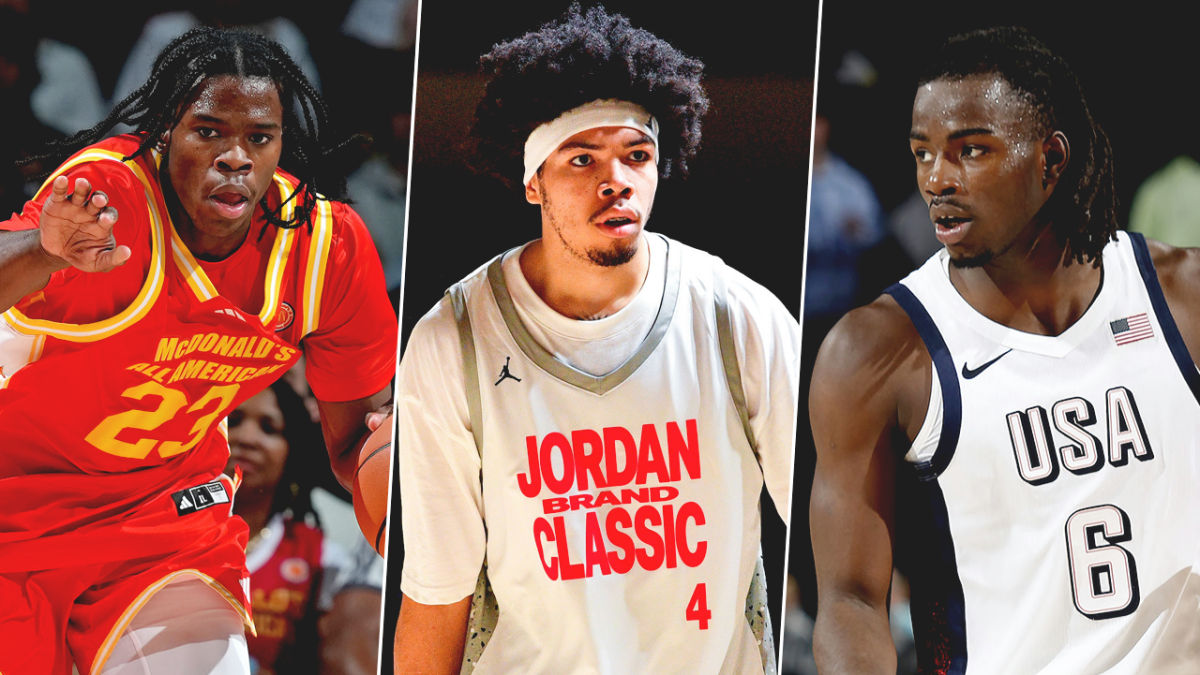
College basketball programs are deep into their fall practice sessions nationwide, signaling the return of NBA scouts who are beginning their assessments for the 2027 draft class. While scouts traditionally relied on fall workouts to evaluate freshmen—after initial impressions from showcases like the McDonald’s All-American Game and Nike Hoop Summit—teams now conduct more exhaustive scouting in high school and international competitions. Fall practices, however, remain a critical phase for more detailed and focused player analysis.
Every NBA team’s scouting department follows its own unique plan for prospect evaluation, but most share similar processes. At this early stage, teams are compiling extensive lists of potential draftees, often numbering around 200 names, which they will gradually refine. They categorize players based on draft potential—such as lottery picks, likely first-rounders, second-rounders, or future prospects—to prioritize who to monitor more closely throughout the season as they build their draft boards.
While the overall approach is standardized, the quality of talent varies each year. As the upcoming 2026-27 college basketball season kicks off, here are five key narratives shaping how the 2027 NBA Draft class is unfolding:
Uncertain Top Prospects
Unlike last year’s freshman class, which boasted a definitive elite trio drafted consecutively at the top, this year lacks that standout star power. Tyran Stokes of Kansas stands out physically and skill-wise but has questions around his consistency and habits. Guards Caleb Holt (Arizona) and Jordan Smith (Arkansas) are promising two-way players but aren’t yet considered potential number one overall picks. Meanwhile, Slovenia’s Stefan Joksimovic, playing professionally in Spain, adds international intrigue but doesn’t project as a guaranteed top selection. Early comparisons liken this class to the 2024 draft, noted for lacking a clear superstar at the summit—a challenge for teams managing high expectations from fans and owners.Strong Depth Beyond Stars
Although the lottery’s top slots may involve risk, considerable depth exists in the later lottery picks and the rest of the first round. Many players who could have entered the 2026 draft postponed, choosing to return to college for further development. Key names include Florida’s Thomas Haugh, UConn’s Braylon Mullins, Arizona’s Mo Krivas, Alabama’s Amari Allen, and Duke’s Patrick Ngongba, who all have the potential to improve their draft stock. Numerous other freshmen and under-the-radar players also have upside, adding to a surprisingly deep talent pool.NIL Influence Continues to Impact Decisions
Player participation in the draft is heavily influenced by NIL (Name, Image, Likeness) opportunities. Many athletes who aren’t guaranteed first-round selections find greater financial security and earning potential by staying in college, with some reportedly earning multi-million dollar deals through NIL deals. As NIL dollars rise in high school recruiting, this trend is expected to continue affecting draft entries. However, a few players still opt to pursue the NBA dream despite forgoing potentially lucrative NIL contracts.Top College Performers Aren’t Always Top NBA Prospects
In contrast to last year’s draft where college stars matched with top picks, the best performers in college this year might not translate directly to high NBA draft status. Many top college players, including fifth-year seniors, remain in school because their NBA potential is less certain. Conversely, younger players with less college impact but greater upside—like Peyton Watson last year—could become high-value draft picks. This dynamic emphasizes the importance of forecasting potential rather than focusing solely on college production.Elite Prospects Are Coming, Just a Year or Two Away
Some of the most promising NBA prospects in college basketball aren’t draft-eligible until 2028. Duke’s Joaquim Boumtje Boumtje and UCLA’s Nikola Kusturica, both teenagers with high ceilings, are expected to be top picks in their future draft class. Even high school talents like Marcus Spears Jr. have reclassified but remain ineligible for immediate entry. This makes the 2027 draft appear less defined at the very top compared to next year’s class.
Fan Take:
This early glimpse at the 2027 NBA Draft class highlights a shift towards greater depth and uncertainty at the top, marking a potentially exciting but unpredictable year ahead for basketball fans. As scouts navigate this nuanced landscape, the draft could reveal unexpected stars and redefine scouting strategies, ultimately shaping the future of the NBA.
Source: www.cbssports.com