

The WNBA has been experiencing significant growth over several years, but this year’s Finals posed a risk to the league’s progress. Notably, none of the league’s top stars made it to the championship series—Caitlin Clark and the Indiana Fever exited in the first round, while A’ja Wilson and the Las Vegas Aces were ousted in the semifinals. Although the New York Liberty, a recent fan favorite, defied their lackluster regular season to reach the second round, their journey ended there.
The Golden State Valkyries and Atlanta Dream, both of whom had impressive playoff runs, faced off in the Finals. However, neither team was well-known for attracting large national audiences. Additionally, the Finals coverage was split between NBC and Versant’s USA Network, which complicated viewership as games switched networks. The broadcasters addressed this by streaming all games in advance on Peacock, yet fans still had to navigate the challenge of locating the USA Network, which is expanding its live sports offerings.
The league also faced criticism after having to reschedule later games in Atlanta on short notice, leading to the widely ridiculed decision to move Game 6 to 12:30 p.m. ET on a Thursday. The Ringer’s Bill Simmons voiced a common frustration, labeling the move as another example of the league’s poor decision-making throughout the year.
Despite these obstacles, the WNBA Finals were a major success. The chaotic Game 6 drew an average of 1.5 million viewers, surpassing the series-clinching Game 4 from 2025 that aired in primetime on ESPN. Two nights later, Game 7 attracted a postseason record audience of 3.3 million viewers on USA Network and Peacock as the Valkyries secured the championship. This strong finish helped the Finals average nearly 1.9 million viewers per game, marking the most-watched Finals in history.
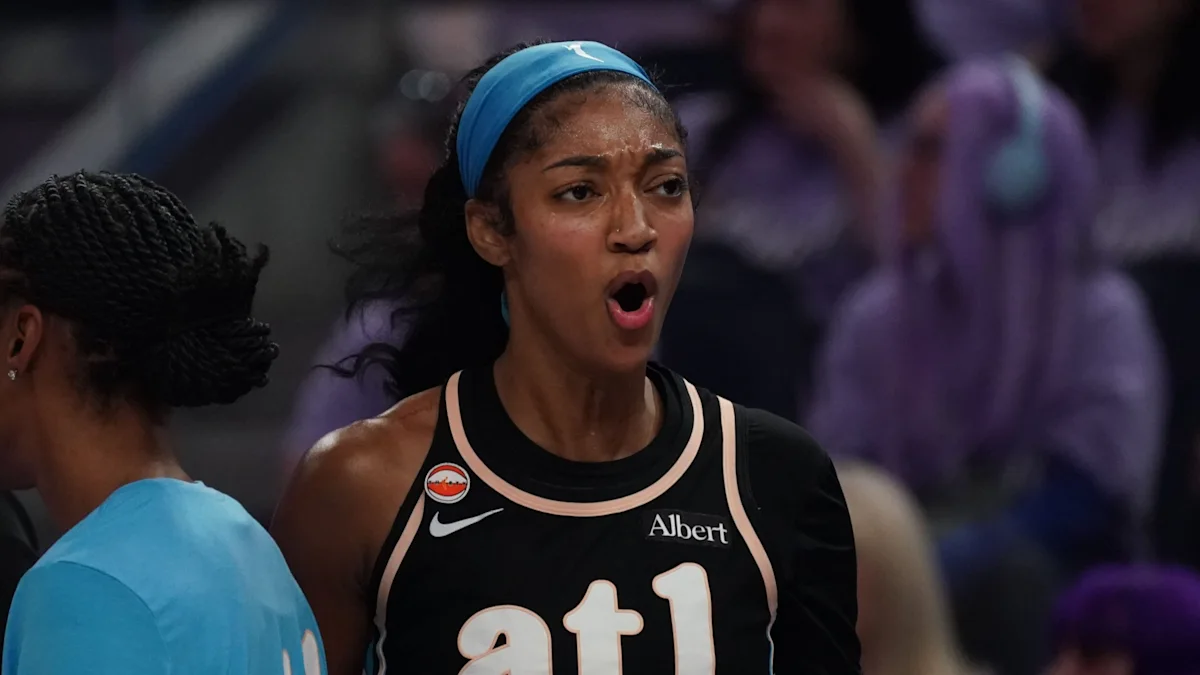
While much of the attention focuses on Caitlin Clark’s influence, the league’s growth is broader and persists even when she isn’t playing. Since their expansion debut last season, Golden State has cultivated a large following, and emerging stars like Rhyne Howard and Angel Reese have elevated Atlanta’s profile. What initially seemed like a lackluster matchup evolved into a record-breaking series.
One clear benefit for the WNBA was expanding the Finals to seven games. Only five years ago, the entire postseason capped at 19 games, but now the league offers 10 additional playoff games, culminating in a full seven-game Finals. The competitive series demonstrated that fans are drawn to high-stakes games, boosting viewership.
Unsurprisingly, voices including Clark herself are already advocating for more playoff expansion. The league will also play 50 regular-season games for the first time. If a Finals series between the Valkyries and Dream can draw audiences comparable to the last Stanley Cup Final on cable (in 2025), this could encourage future commissioners to support even deeper postseasons with better scheduling and stronger team identities.
The Finals will return to ESPN and ABC in 2027, broadening the league’s visibility further. The WNBA can confidently move forward knowing its popularity extends beyond any single star or team, with a loyal and growing fanbase eager to watch thrilling matchups, regardless of timing or network.
The post WNBA Finals overcame scheduling gaffe, cable paywall and iffy matchup to smash expectations appeared first on Awful Announcing.
Fan Take: This season proved that the WNBA’s appeal transcends individual players or teams, showing the league’s resilience and growing mainstream presence. For fans, this means more exciting, widely accessible basketball ahead, signaling a promising future for the sport’s continued expansion and influence.
Source: sports.yahoo.com
