

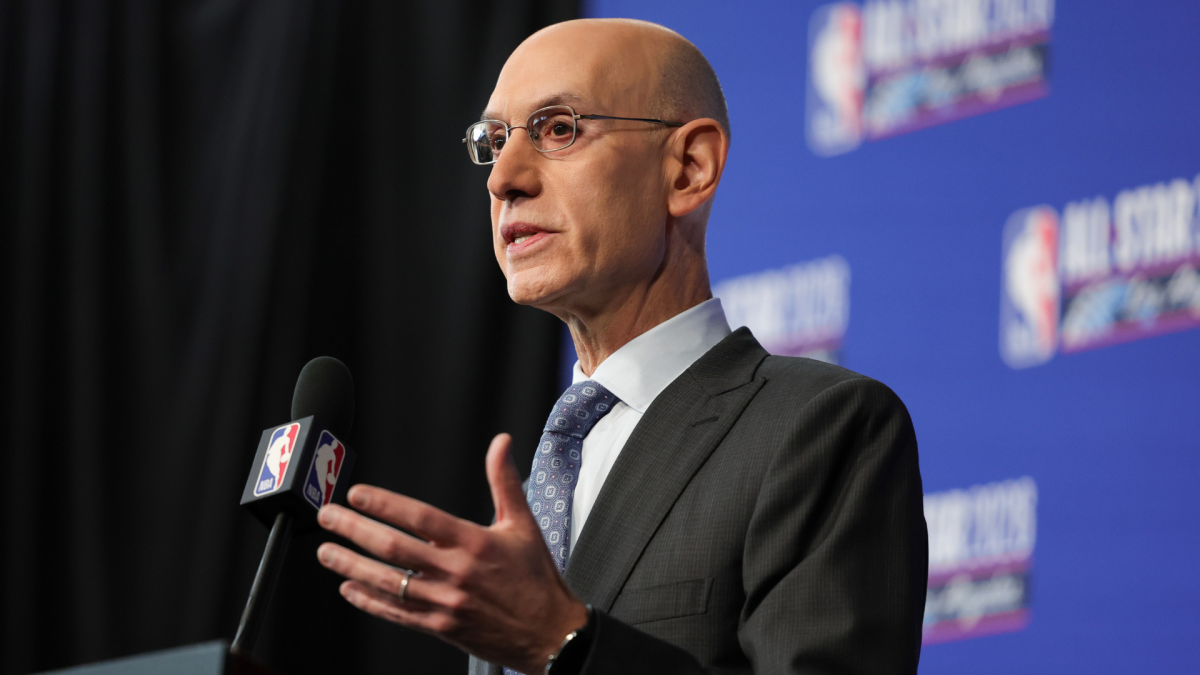
There are differing views on the reasons behind the NBA’s surge in early-season injuries and how to address them, with a previously suggested idea by commissioner Adam Silver gaining renewed interest. Sports Illustrated’s Chris Mannix revealed on the Open Floor podcast that Silver favors reducing NBA game lengths to 40 minutes—a stance he publicly supported in 2025. On The Dan Patrick Show, Silver explained that as the NBA expands globally, it stands out as the only major league playing 48-minute games, and he personally supports four 10-minute quarters. He also noted that a two-hour game better fits modern TV viewing habits. Mark Cuban is another prominent advocate of this change. Given the high number of injuries this season, the league faces pressure to consider significant adjustments to keep its top athletes on the court. But is cutting games by eight minutes a practical solution? Let’s explore the positives and negatives.
Advantages
1. Less Playing Time Could Reduce Injuries
Mathematically, 82 games at 48 minutes equal 3,936 minutes per season per team, while 40-minute games would lower that to 3,280 minutes, a 17% reduction in court time. Fewer minutes on the floor logically means fewer chances for injuries. Beyond the math, reducing total playing time might also ease players’ overall workload, limiting the wear and tear that can accumulate late in games and throughout the season—resulting in fresher, healthier athletes.
2. Aligning NBA Game Length With Other Leagues
Unlike the NBA’s 48-minute contests, college basketball, the WNBA, and international (FIBA) games all play 40 minutes. Unifying game length across leagues could facilitate better comparisons of player performance. This isn’t unique to basketball; baseball has also improved fan engagement by shortening game times. Silver pointed out that a two-hour game aligns better with modern television viewing habits, as audiences are more attentive during shorter broadcasts.
3. Increased Game Variability and Upset Potential
The NBA is often more predictable compared to other sports like the NFL or baseball when it comes to playoff outcomes due to its longer format. A 40-minute game would heighten randomness, making it easier for underdogs to pull off upsets. While this might reduce competitive accuracy, it could enhance entertainment value by adding unpredictability to the outcomes.
Drawbacks
1. Reduced Role for Bench Players
Though NBA games last 48 minutes, star players rarely play the full game, with the current leader averaging 38.4 minutes per contest. Shorter games could allow stars to maintain their playing time, but bench players would see significantly less action, diminishing their importance. This would likely face pushback from the NBA Players Association, as it marginalizes the majority of players and shifts team-building strategies toward concentrating resources on fewer stars. Furthermore, it’s unclear if this would truly improve player health, since role players, not stars, would get most of the rest. Proposals like individual minutes caps pose logistical challenges, making it tough to implement a fair system.
2. The Schedule’s Demands Would Remain
Game length is only one element of the grueling NBA schedule. Reducing games to 40 minutes wouldn’t lessen travel burdens, back-to-back games, or the limited practice time players get. The pace and intensity of today’s basketball require athletes to cover more ground and endure greater physical demands, which a shorter game wouldn’t alleviate. Additionally, shorter games mean fewer commercial breaks, potentially leading to reduced TV revenue. If the experiment fails, the league risks losing money with no clear gain and might hesitate on more impactful future changes like shortening the season itself.
3. Historical Records and Stats Would Be Disrupted
While statistics aren’t everything, many fans deeply value the continuity of records across eras. The 48-minute game length has been a consistent standard, so cutting it to 40 minutes would make comparisons between players and teams across time nearly meaningless, as modern achievements would become almost impossible to match. The league could try other radical changes, such as tweaking point values, but this too would complicate historical comparisons. So far, the NBA isn’t signaling any interest in altering such fundamental aspects of its history.
Fan Take:
This discussion is crucial for basketball fans because it highlights the delicate balance between player health, game integrity, and entertainment value. If the NBA shortens games, it could transform the pace and strategy of basketball, reshaping how we watch and appreciate the sport—though it risks alienating traditionalists who cherish the game’s history and structure.
Source: www.cbssports.com
