
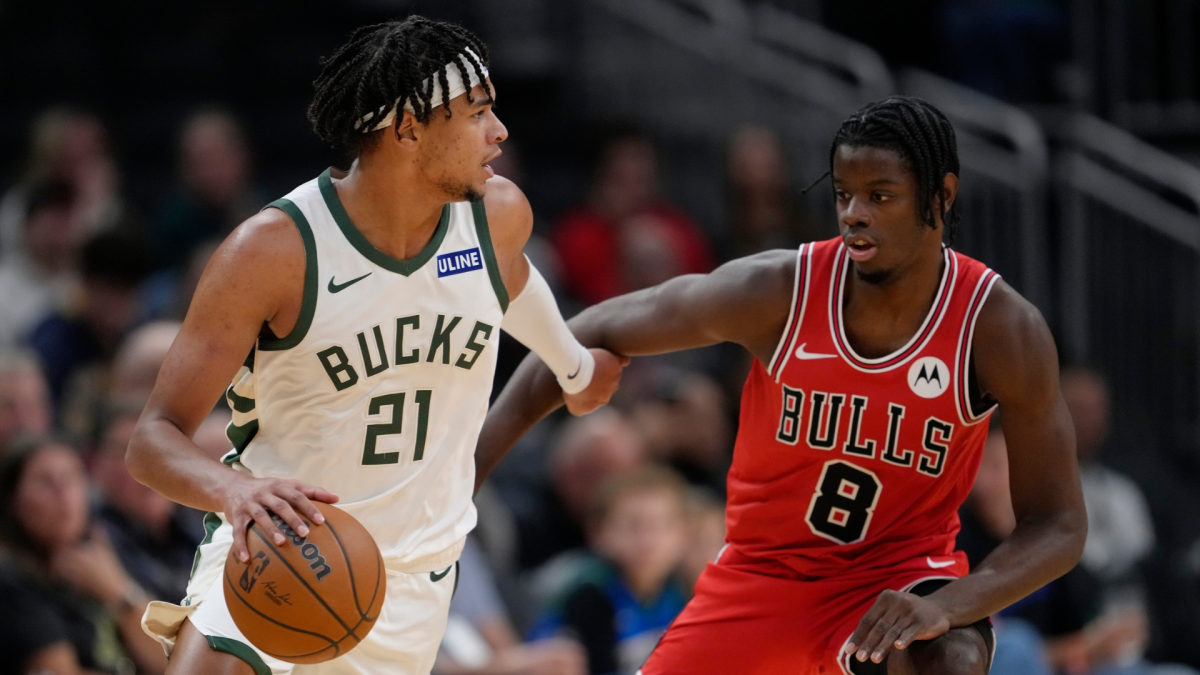
When the NBA revamped its draft lottery system, the goal was to foster a competitive balance across all 30 teams. However, two weeks into the 2026-27 season, it’s clear that competitiveness is lacking. Currently, five teams have only managed a single victory, often against each other—for example, the Los Angeles Clippers have only defeated the Sacramento Kings, and the Chicago Bulls have only overcome the Milwaukee Bucks. Sacramento’s sole win occurred when the Dallas Mavericks rested Kyrie Irving.
Despite the structure of incentives, the league will always have a few struggling teams due to poor management, injuries, or rebuilding phases. While the previous NBA format aimed to help lousy teams improve swiftly, the new format makes climbing out from the bottom ranks much more challenging.
Last spring’s lottery reform introduced penalties for the league’s three worst teams: under the new 3-2-1 lottery system, the seven best teams missing the Play-In Tournament receive three lottery balls each, whereas the bottom three teams get only two balls each out of 37 total. This theoretically encourages teams to avoid finishing last, though the practical results remain to be fully seen.
As the season unfolds, seven teams have emerged as likely candidates for the bottom three, which will face lottery repercussions in May. These teams are ranked from least to most likely to finish in the relegation zone, with the top three identified as the likeliest to receive the lottery penalty. It’s important to note that this ranking focuses not just on the worst teams overall but those most apt to finish in the bottom three spots.
7. Utah Jazz (1-7)
The Utah Jazz are perplexing this season. Once a well-managed franchise hampered by lack of talent, coach Will Hardy now has the pieces to win but hasn’t found success yet. Their once fluid offense has stalled, with No. 2 overall pick Darryn Peterson struggling to score efficiently. Size and defense players like Josh Okogie and Jaxson Hayes are hurting offensive flow, forcing everything through Keyonte George, who isn’t a natural point guard and isn’t facilitating well. Their single win was a close one over the Pelicans. After trading Walker Kessler, hopes for a 50-win season vanished. The team is desperately lacking in screening and rebounding, though the possible returns of Jusuf Nurkić and Jaren Jackson Jr. offer some hope. The Jazz are in early trouble with the deep Western Conference and a poor defensive roster. This rocky start marks a dangerous position after four years of rebuilding.
6. Phoenix Suns (2-5)
The Suns are positioned slightly better than Utah and Orlando—teams with fewer wins—but their problems run deeper. Mark Williams’ eventual return might help, but current backup Khaman Maluach isn’t NBA-ready. Frustration in the locker room has spilled into the media, particularly over the absence of an effective point guard. Statistical analysis backs the argument that Jalen Green should be benched in favor of Collin Gillespie. The Suns have lost much of their defense and hustle from last season, ranking near the bottom in defensive efficiency and rebounding. With key players like Green and Miles Bridges lacking the energy and defense the team once had, Devin Booker’s decline in shooting and athleticism further weakens their chances. After trading away many draft assets, their capacity to rebuild is limited. They might scrape together 30 wins but the outlook feels bleak.
5. Brooklyn Nets (2-6)
Moving to teams with notably weaker rosters, the Nets lack any All-Star-level talent like Utah’s George or Phoenix’s Booker. Michael Porter Jr.’s production is down alongside inefficient Julius Randle, who also turns the ball over frequently. Brooklyn’s defensive strategy focuses on limiting rim attempts but they lack a strong rim protector and rank among the worst in fouls and turnovers. Injury to promising player Egor Dëmin further hampers their defense. The Nets are in a complicated spot because their first-round pick belongs to Houston, preventing them from tanking too obviously. Commissioner Adam Silver’s expanded authority deters blatant losing, but subtle moves like trading veterans could influence their strategy. After acquiring Randle, Brooklyn seems to aim for competitiveness, though that remains to be tested.
4. Sacramento Kings (1-7)
The Kings are an example of the lottery reform working as intended. They don’t owe their pick to other teams, have no consecutive high-pick restrictions, and want to rebuild naturally through the draft. They may even trade minor assets at the deadline to try to win more games. Their roster includes significant expiring contracts they could leverage for improvement. However, the Kings have assembled an unusual mix of players, with All-Star Domantas Sabonis shooting less than Precious Achiuwa and rookie Darius Acuff Jr. logging historic usage rates but low efficiency. The team appears focused on developing Acuff rather than immediate victories. This, combined with a lack of strong defense, puts the Kings on the fringe of relegation but behind other candidates.
3. Los Angeles Clippers (1-7)
The Clippers are struggling badly with ball security, ranking near the bottom in turnovers and points allowed off turnovers. With key player Darius Garland facing ongoing health issues, the team faces tougher challenges ahead. Brandon Ingram’s return will offer some offensive boost but isn’t expected to lift the entire unit. The Clippers also have poor production near the basket and a strong defensive performance only partly thanks to the coaching presence. Their incentive to win is complicated by draft penalties, having lost five first-round picks for salary cap violations. They are likely to trade veteran players for assets to build for the future, which could lead to a difficult late season if they embrace a longer rebuild.
2. Milwaukee Bucks (1-7)
The Bucks are currently under investigation for a potentially questionable contract given to Gary Trent Jr., and his absence from most games raises eyebrows. If fined or penalized, they might be forced to trade players not in their long-term plans to recover lost draft assets. On the court, Milwaukee struggles on both offense and defense, without significant injuries. The roster looks like a patchwork after trading away the franchise’s best player without getting top returns. An overabundance of shooting guards, thin forward depth, and underperforming key players highlight a roster in flux. With no pick control until 2031, the Bucks are clearly in a slow rebuild phase.
1. Chicago Bulls (1-7)
The Bulls have been the worst team the NBA this season by a clear margin. A tough early schedule is partly to blame, but their defensive and offensive metrics are among the league’s worst. They rank near the bottom in paint points allowed, 3-pointers conceded, and turnover points. Rebounding is weak, and promising players like Josh Giddey have regressed. Rookie Caleb Wilson’s development is erratic but typical for a first-year player. Though the 2027 draft class is considered weak, Chicago faces a strategic dilemma: avoiding a mid-level 2028 pick that could be less valuable. With another top-five pick in 2027, the Bulls seem more focused on building for the future. While Wilson’s potential is high, the present season looks quite grim.
Fan Take:
This analysis highlights the significant growing pains some NBA teams face within the new draft lottery framework, reshaping the competitive landscape. For basketball fans, this means there may be fewer quick turnarounds from the bottom, but it also sets the stage for more strategic, long-term team building that could produce more balanced competition in the years ahead.
Source: www.cbssports.com