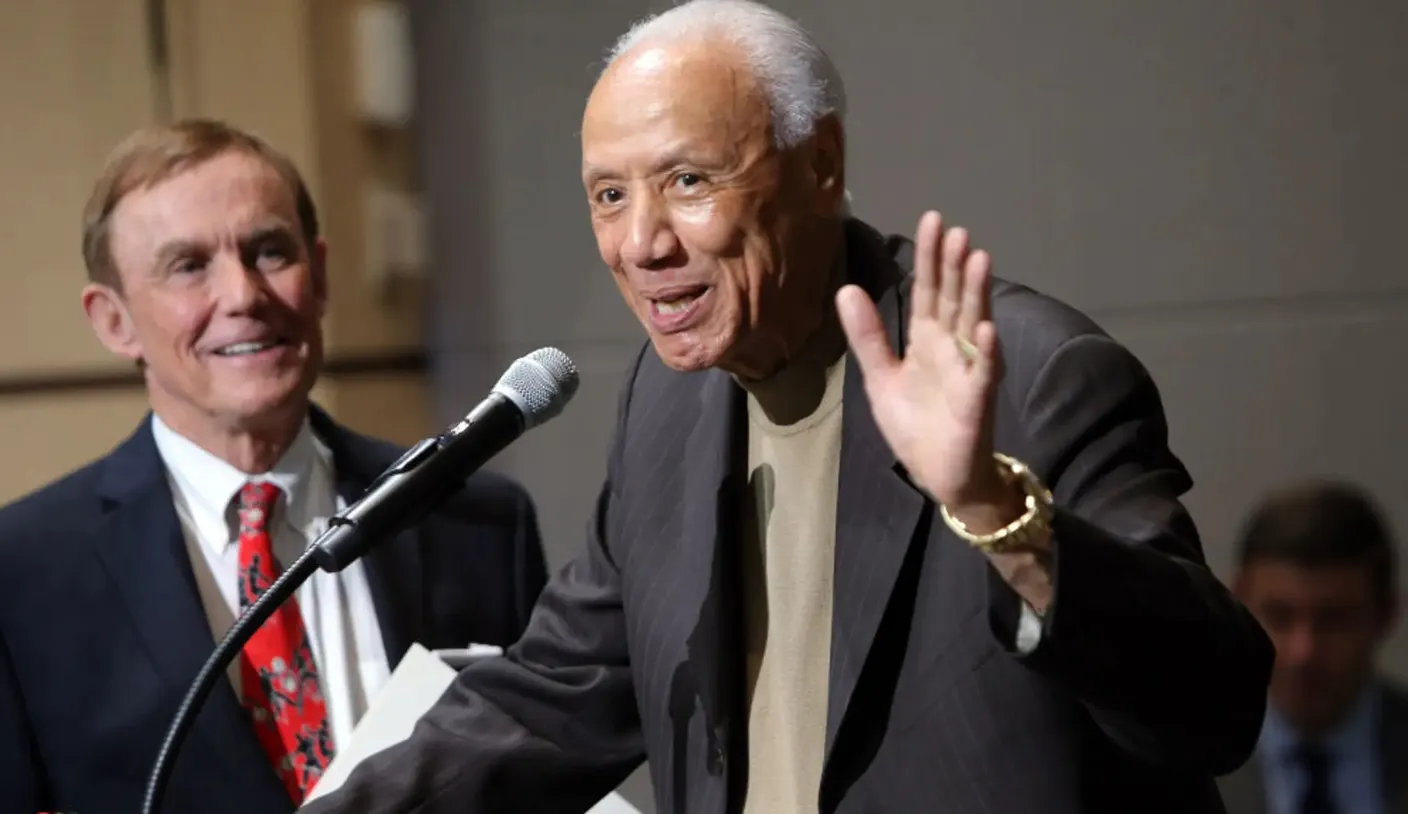
Lenny Wilkens, a legendary figure in basketball known for his achievements as both a player and coach, passed away at the age of 88, his family announced on Sunday. Wilkens died surrounded by loved ones, although the cause of death has not been disclosed.
Wilkens was recognized as one of the premier point guards of his time and later transitioned seamlessly into coaching, becoming one of the NBA’s most respected leaders. Over his career, he coached a record 2,487 NBA games and was inducted into the Basketball Hall of Fame three times: as a player, coach, and as an assistant coach for the 1992 U.S. Olympic “Dream Team.” He also coached the U.S. team to a gold medal at the 1996 Atlanta Olympics.
NBA Commissioner Adam Silver honored Wilkens, highlighting his dual Hall of Fame status and his standing as both one of the 75 greatest NBA players and top 15 coaches in history. Wilkens was a nine-time All-Star and became the first NBA coach to reach 1,000 wins. He famously led the Seattle SuperSonics to an NBA championship in 1979 and remained a beloved figure in Seattle basketball long after the team relocated to Oklahoma City.
Known for his calm and dignified leadership style, Wilkens once said, “Leaders don’t yell and scream,” encapsulating his approach to coaching. He retired with the most coaching wins at the time, a record since surpassed.
Wilkens’ playing career spanned 15 seasons with the St. Louis Hawks, SuperSonics, Cleveland Cavaliers, and Portland Trail Blazers. He earned All-Star honors multiple times, led the league in assists twice, and was a consistent scorer. Born in New York in 1937, he grew up playing basketball in Brooklyn and excelled at Providence before being drafted sixth overall in 1960.
A statue commemorating Wilkens’ impact on the SuperSonics was unveiled outside Seattle’s Climate Pledge Arena in June, celebrating his legacy both on and off the court. Beyond his basketball success, Wilkens was praised for his commitment to community service, especially in Seattle.
Fan Take: Lenny Wilkens’ death marks the loss of a truly iconic figure whose influence extended far beyond wins and titles. For basketball fans, his legacy is a reminder of the power of leadership, humility, and dedication to the sport and community—qualities that continue to shape the game today.