There are several significant challenges in horse racing, but determining the weight a horse carries during a race should not be one of them. The jockey boycott at Aqueduct on November 30 stemmed from New York Racing Association officials being directed to record jockey weights on paper as a backup to the digital system. Jockey Kendrick Carmouche, president of the New York Jockeys Guild, told Daily Racing Form that this requirement unfairly increased the workload of the scale clerk, who refused to comply, leading to his dismissal. Attempts to replace him without proper preparation only made matters worse.
Carmouche also highlighted other ongoing grievances that had escalated over the year. Responding with a firm stance, the jockeys refused to participate in any races after the first one on November 30. Carmouche expressed frustration with the management, saying they failed to respect jockeys and make them feel valued, despite the jockeys being central to the sport’s continuation and integrity. He emphasized that this is fundamentally an integrity issue supported by the betting public and stressed the importance of safety.
While Carmouche and other jockeys positioned themselves as victims, the actual sufferers were the horse owners, trainers, and fans who anticipated the races. One anonymous jockey shared his disappointment over losing a strong chance to win due to the boycott, lamenting the wasted efforts and missed opportunities at a critical time for his stable and New York racing. He blamed both the jockeys and management for the failure, warning that this conflict likely isn’t over.
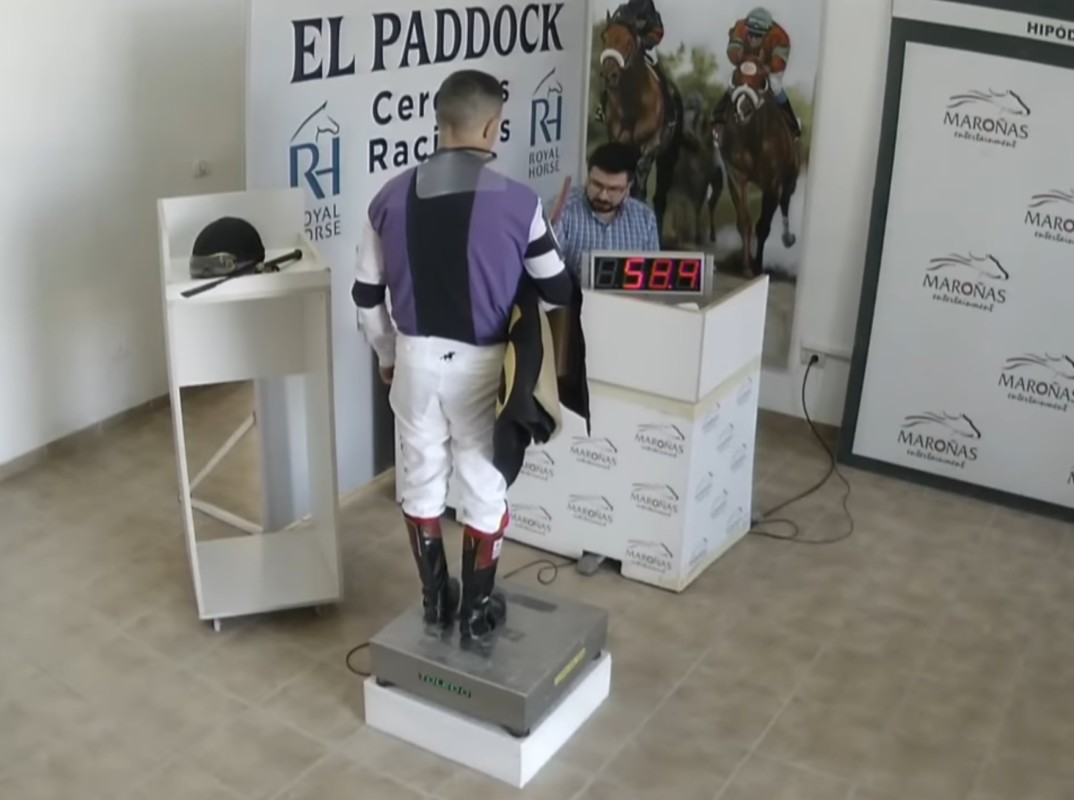
The article reiterates that tracking the weight a horse carries should be straightforward. Latin American racetracks offer a model by using fixed cameras and digital scales to clearly display jockey weights. Broadcasting this process via simulcast allows stewards and the public to verify weights and ensures transparency and trust in the system—a simple solution for a complicated problem.
Following the incident, NYRA and the Jockeys Guild met to address the issues leading to the race cancellations. Jockeys Guild President Terry Mayocks issued a statement acknowledging the negative impact on owners, trainers, and bettors but expressed optimism about improved communication and the resumption of racing at Aqueduct.
Fan Take: This standoff highlights the delicate balance between jockeys’ working conditions and the sport’s operation—both crucial to horse racing’s integrity and appeal. Ensuring transparent, respectful practices around race-day protocols can prevent disruptions and maintain fan trust, vital for horse racing’s future growth and reputation.