

The WNBA’s ongoing proposals for a new Collective Bargaining Agreement (CBA) are becoming increasingly confusing and, frankly, problematic. While initial negotiation points are typically exaggerated and open to change, some of the league’s current proposals seem unrealistic and could harm fan engagement, ratings, college systems, and international relations. These suggestions don’t just lack logic—they threaten the future earning power of upcoming stars like JuJu Watkins and Sarah Strong, whose potential is jeopardized by policies crafted without their input.
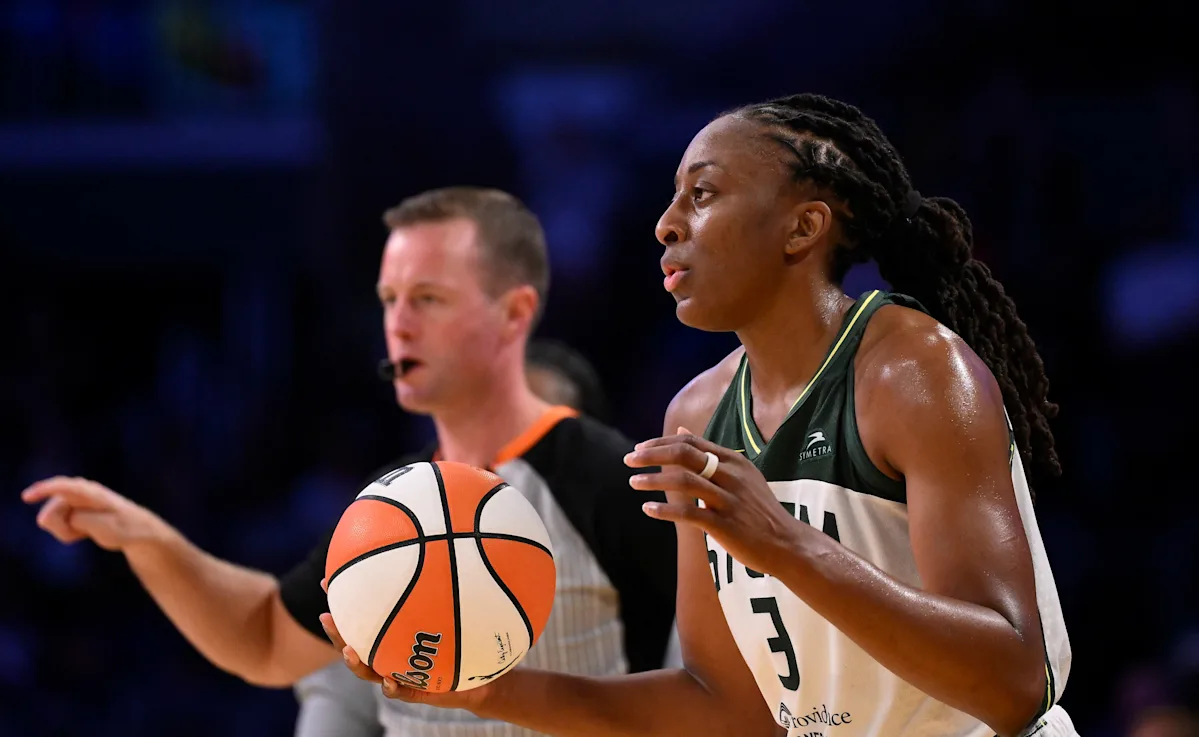
CBA talks often spotlight issues of worker rights, equality, and fairness, which are amplified in women’s sports due to historic pay gaps and healthcare inequalities. The WNBPA president, Nneka Ogwumike, expressed that players feel their voices are acknowledged but ultimately ignored in these talks. According to reports, the WNBPA is pushing for the elimination of core nominations and reserved contracts, a shorter rookie contract with a team option in the fourth year, maternity leave for non-birth parents, meaningful retirement benefits, standardized training and recovery facilities, mandated medical staff, reimbursement for mental health care, and a revenue-sharing system tied to league growth.
On the other hand, the WNBA’s proposals include no longer covering team housing costs, mandatory drafting with halved salaries for those who miss games, limiting guaranteed contracts per team, moving the season start earlier, and providing only one week of paid parental leave (excluding childbirth). This glaring mismatch highlights how undervalued players feel. Despite the league’s impressive growth, the lack of current requirements for teams to have athletic trainers or adequate medical staff is outdated and insufficient.
The league’s marketing leans heavily on “girl power,” celebrating women breaking barriers and promoting viewership increases fueled by the players themselves. Yet players are still not valued enough contractually to reflect their vital role in this growth. As women’s sports have evolved, research now shows female athletes require different training to avoid injury, and the expanding family support in these leagues has empowered women to balance careers and motherhood—transforming them into influential global ambassadors. However, the current WNBA proposals fail to mirror this progress.
For comparison, the NWSL’s recent CBA significantly increased salaries, implemented a revenue-sharing plan tied to media and sponsorship revenue, removed the draft to give rookies free agency, guaranteed contracts, enforced no-trade clauses, and expanded family and health benefits. These advances offer NWSL players greater control over their careers and financial security, setting a benchmark female athletes in other leagues, including the WNBA, hope to match.
Fans of the WNBA have been vocal and influential, notably helping establish a charter flight program, and their continued support during these negotiations can help push for a fair deal. But beyond the contract, this new CBA must genuinely recognize and reward the hard work of WNBA players, and the athletes are determined to see that happen.
Fan Take: This ongoing negotiation is crucial for WNBA fans because it directly impacts the players who fuel the league’s success and growth. A fair and modern CBA would not only empower players but also signal a transformative moment for women’s sports, encouraging greater investment and fan engagement in the future.