Although the upcoming World Cup is projected to be the largest in history, there are still concerns about the United States’ readiness to host it. Along with Canada and Mexico, the U.S. will host the 2026 World Cup, which is anticipated to see unprecedented attendance, surpassing the record set by the 1994 World Cup also held in the U.S. Nearly two million tickets have already been sold ahead of Friday’s draw, with an increase to 48 teams meaning more venues, more fans, and logistical challenges for the host countries.
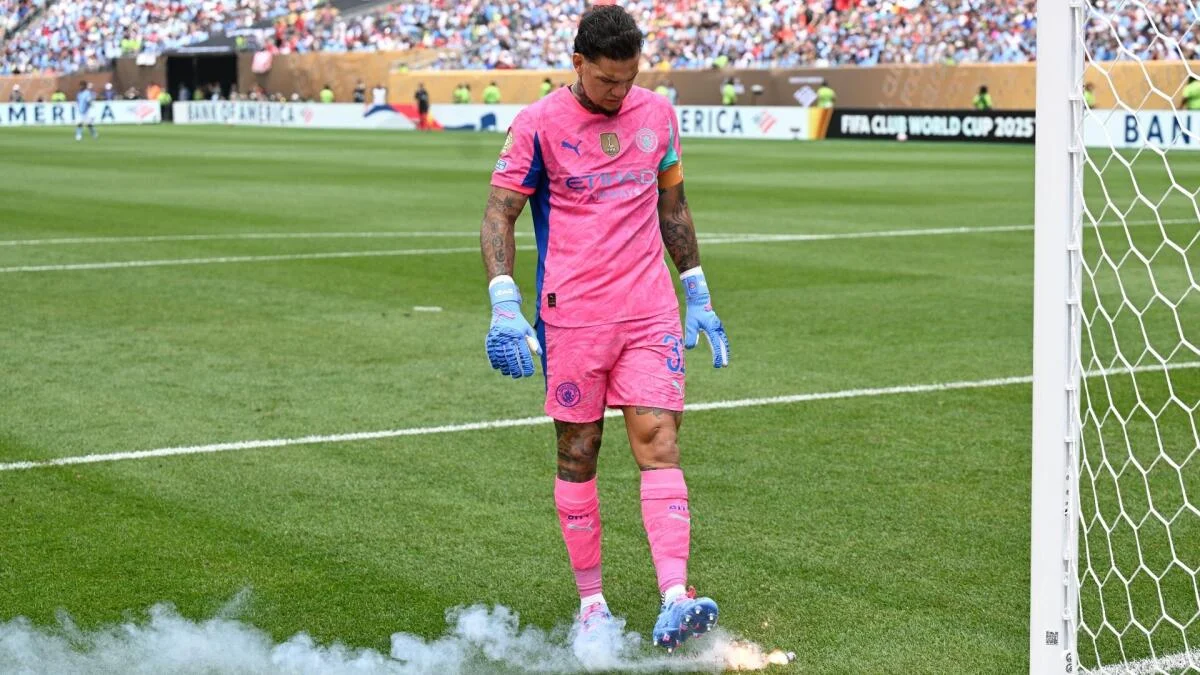
The Club World Cup held in the summer of 2025 offered insights about what to expect for the World Cup, raising concerns that can potentially be addressed. While the fans’ enthusiasm was evident during the tournament, issues such as pyrotechnics in stadiums, pitch quality complaints, and the challenge of hosting both a major concert and a soccer tournament were also apparent.
Despite being termed a test event by some, where FIFA’s match director for MetLife, Luis Castro, insisted it was about showcasing a historic Club World Cup. This event was not only a spectacle but also a serious opportunity to prepare for the World Cup, with insights gained set to inform future planning. Six stadiums where the Club World Cup took place will also host matches during the World Cup, showcasing the connection between the two tournaments.
Attendance records were shattered, particularly at the Rose Bowl, where 80,619 fans watched the match between Paris Saint-Germain and Atlético Madrid, underlining Los Angeles’ reputation as a premier soccer city. The vibrant presence of fans, such as those from Boca Juniors and the success of the Brazilian team, highlighted the tournament’s lively atmosphere.
FIFA learned valuable lessons about pitch conditions given the U.S.’s varied climate, with distinct differences among stadiums influencing playability. The need for tailored maintenance for each venue became clear, with venues like MetLife requiring resilient surfaces due to local weather conditions, whereas others like Atlanta benefitted from a roof. Feedback from the Club World Cup revealed areas needing consistency, such as ball bounce across different fields.
Issues like the entry of smoke bombs into stadiums emphasize the need for vigilant security measures during the World Cup. While fan passion is integral, safety must be prioritized, as demonstrated by successful security practices used in Philadelphia to prevent similar incidents.
Fostering a welcoming environment for diverse fans is crucial, as many languages beyond the official FIFA languages needed consideration during the Club World Cup. Preparing cities for the expected influx of international attendees is essential for enhancing the overall fan experience.
Ultimately, the successful hosting of the World Cup will depend on thoughtful organization, from ticket prices to cultural accommodations. The excitement generated during the Club World Cup could foreshadow a historic World Cup in 2026 if lessons learned are applied effectively.
Fan Take: This news is pivotal because it highlights the immense scale of the upcoming World Cup and the importance of fan engagement and safety. If implemented properly, these preparations could elevate soccer’s profile in the U.S. and bring a vibrant, inclusive atmosphere to the tournament, potentially transforming it into the most memorable World Cup yet.