
FORT LAUDERDALE, Fla. — Since his grand arrival in South Florida two and a half years ago, Lionel Messi has become synonymous with not only Inter Miami, but also Major League Soccer and perhaps the wider U.S. soccer landscape. Even as he nears the end of an extraordinary career at 38, the Argentine superstar continues to be a pivotal figure in the league’s vision for growth.
Messi has drawn new fans to soccer, clinched back-to-back MVP awards, and continues to charm audiences at home and abroad.
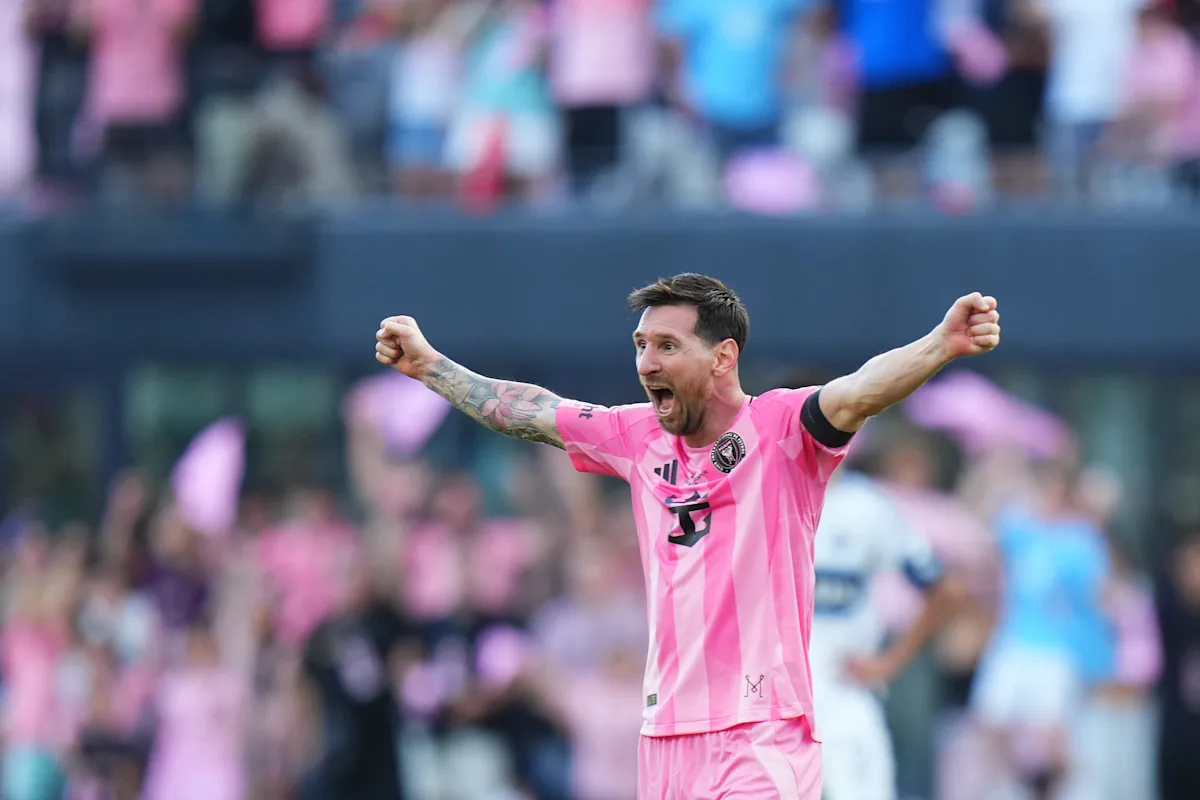
Yet, one key achievement had eluded him: an MLS Cup. That changed Saturday afternoon, as Messi celebrated in the air with his teammates after the final whistle at a packed Chase Stadium, following nearly nine minutes of extra time.
In a match that was fraught with tension, Messi assisted the first goal scored by Rodrigo de Paul in the 71st minute, then provided another crucial assist just before the game concluded, leading Miami to a 3-1 victory over the Vancouver Whitecaps, earning MVP honors in the process.
Despite Vancouver’s dominance in the second half, which offered them a chance to erase a 1-0 deficit, the tables turned when Messi took advantage of a misplay by Vancouver’s Andres Cubas to set up De Paul for the winning goal.
In the hours leading up to the match, however, the atmosphere around the stadium was not overwhelmingly festive. Fans clad in Miami’s pink and Vancouver’s white and blue slowly made their way from Commercial Boulevard in Fort Lauderdale’s northern area.
The temporary stadium, located about 55 miles from Miami, has a quaint, old-world charm and has served as its home for six seasons. This will soon change with the upcoming launch of the $350 million, 25,000-seat Miami Freedom Park next spring as part of a $1 billion development near Miami International Airport.
As the match approached, the excitement began to build. The encounter featured two of the league’s top-scoring teams: Miami with 81 goals over 34 matches, and Vancouver, boasting a strong defense with only 38 goals conceded, just behind Philadelphia’s 35.
The two teams had not faced each other during the regular season, having only met in April during the CONCACAF Champions Cup semifinals, where Vancouver emerged victorious 5-1.
Miami progressed through the playoffs with relative ease, only facing a challenge in their second matchup against Nashville, scoring 16 goals in four victories, including 12 in three home games.
Before kickoff, NBA legend Steve Nash, donned in white gloves, brought the trophy onto the field, as flags waved among the enthusiastic Vancouver fans gathered at the south end.
Messi was not the only star on the field; Sergio Busquets and Jordi Alba, also former FC Barcelona players and long-time teammates of Messi, capped their illustrious careers in this final. Luis Suarez, another former Barcelona companion, was on the bench as a free agent.
Vancouver’s high-pressure style aimed to test Miami’s ability to launch their attacks, but the hosts quickly found their rhythm. Just eight minutes into the game, four Argentinians connected beautifully; Messi passed to De Paul, who flicked it to an open Tadeo Allende. Allende’s cross was meant for Matteo Silvetti, who failed to score, instead inadvertently gifting an own goal to defender Edeye Ocampo and goalkeeper Yohei Takaoka—the first own goal in MLS Cup history in 15 years.
Despite Miami’s early lead, the Whitecaps showcased their strength in the last 20 minutes, tightening their defense and crafting several quality chances. Sebastian Berhalter, a specialist in set pieces, sent a free kick that connected with Brian White, who headed the ball right into the hands of Miami’s Rocco Ríos Novo.
Soon after, Ríos Novo made an impressive save against a close-range effort from Emmanuel Sabbi, freeing the ball just in time. Vancouver maintained their pressure after halftime, threatening Miami’s shaky defense. With many observers, including U.S. national team staff, in attendance, Berhalter fluffed a brilliant chance from a 25-yard free kick that went over the stands.
Miami’s fortunes shifted momentarily as Takaoka misplayed a ball, nearly allowing Messi to score. Then, in the 60th minute, Vancouver’s persistence paid off; White cleverly assisted Ali Ahmed, who leveled the score with a well-placed shot that grazed the inside of the post.
Moments later, the Whitecaps nearly took the lead when Sabbi hit the right post, only to see his follow-up attempt thwarted. Just when it seemed Vancouver had the upper hand, Cubas made a critical error by giving the ball to Messi in his own half. Instinctively, De Paul sprinted forward, and Messi’s perfectly placed pass found him as he struck into the far corner.
Following the goal, the crowd erupted into chants of “Messi! Messi!” A final charge from the Whitecaps offered little threat, as Messi delivered another crucial assist, sealing the victory and becoming an MLS Cup champion for the first time—a stunning 46th trophy in his illustrious career.
Fan Take: This victory is monumental for soccer fans in the U.S., highlighting Messi’s incredible impact on the sport and his ability to elevate its status in the country. As he continues to build his legacy in MLS, this triumph could inspire a new wave of interest in soccer at all levels.