

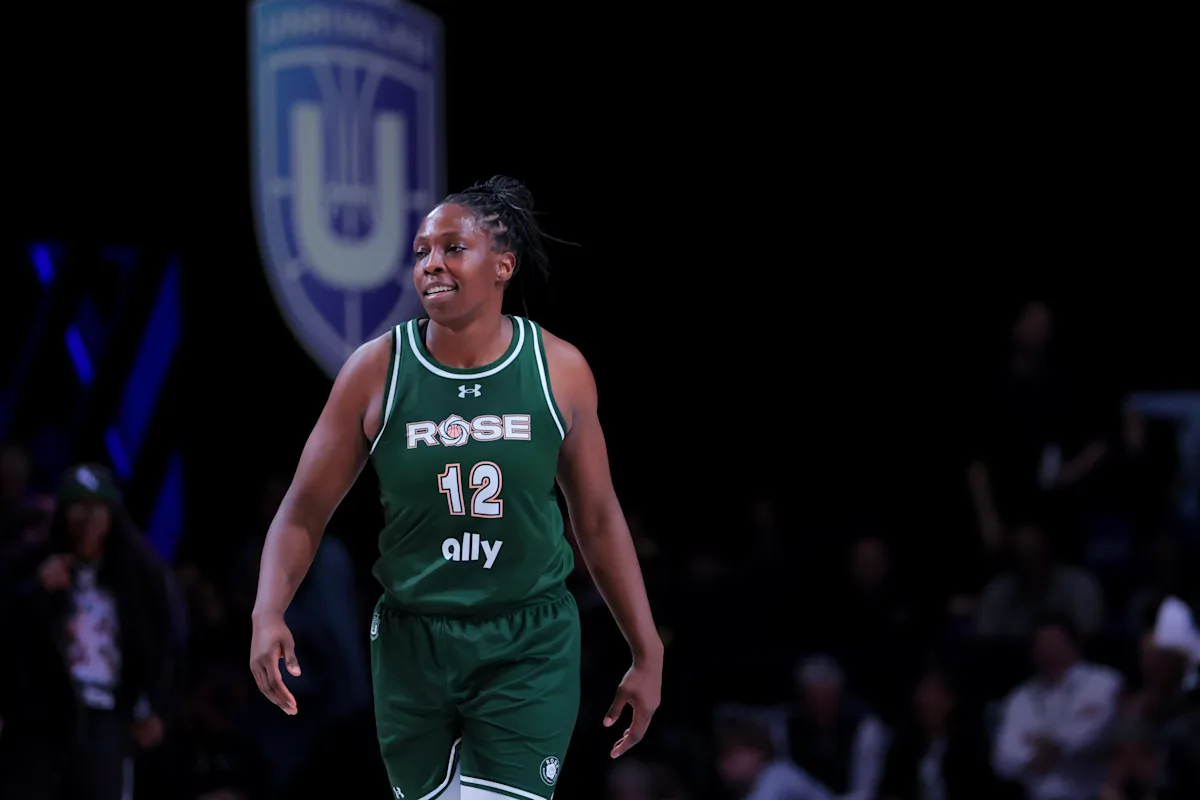
As 2025 comes to a close and a new year begins, Unrivaled is launching its second season. Founded last year by WNBA All-Stars Brianna Stewart and Napheesa Collier, Unrivaled is a 3-on-3 basketball league created as an alternative to playing overseas during the winter months. In its debut season, six teams of six players competed over a 10-week period using a condensed full-court format, with head-to-head tournaments during a mid-season break. The league aimed to keep players in the U.S. during winter, help them develop their skills in a competitive setting, and offer high pay—all while allowing fans to enjoy women’s basketball during the off-season.
This season kicks off earlier, on January 5, 2026, and features two new expansion teams, more players, and a trip to Philadelphia. However, ongoing WNBA Collective Bargaining Agreement (CBA) negotiations cast uncertainty over the future availability of these stars. The current CBA expires on January 9, 2026, and although a deal seemed possible initially, recent developments suggest an agreement may be delayed due to controversial league proposals. These include cuts to the housing program, hesitancy to increase revenue sharing, and moving the season start to March, which players strongly oppose.
Unrivaled serves as a developmental off-season league and a way for players to earn solid income without going overseas. In 2025, players averaged about $220,000 annually, with chances for bonuses from playoff wins and head-to-head matchups—figures expected to rise in 2026. The concept of players and former players creating new leagues to boost earnings and control their winter schedules has gained momentum, starting with Athletes Unlimited, followed by Unrivaled, and now expanding further with Project B.
With these new off-season options growing, questions arise whether the WNBA will reconsider its strict CBA terms prioritizing league participation. The WNBA’s plan to start the season in March, combined with tighter camp attendance rules designed to prevent players from joining other leagues, reflects efforts to keep talent exclusive. Players with two or more years of WNBA experience must attend training camp or face suspension, restrictions that may discourage players from participating in independent leagues.
The league would prefer the narrative that it’s the premier destination for players, but it cannot force athletes to choose or match competing salaries offered elsewhere. Unrivaled’s second season includes top WNBA stars like co-founders Collier and Stewart, younger talents Paige Bakkers and Cameron Brink, and others such as Jackie Young, Skylar Diggins, Chelsea Gray, Carlea Copper, and Ryne Howard. The WNBA risks alienating these players by limiting their opportunities and financial growth.
For now, fans can enjoy another winter of exciting basketball through Unrivaled, which introduces fresh team dynamics with new coaches and an expansion draft. Notably, Bueckers joins the new Breeze Basketball Club, while Collier aims for another MVP with the Lunar Owls BC. The league also signed promising WNBA All-Rookie Team players Kiki Iliafen and Sonia Citron, who will compete for the Phantoms BC and another expansion team, Hibs BC. Broadcasts on TNT Sports will increase to four nights a week, up from three last year.
Considering the stalled CBA talks, this Unrivaled season may be the last professional women’s basketball available until late 2026, making it a crucial time for fans to cherish the game.
Fan Take: This news is vital for WNBA supporters as it highlights the growing tension between players seeking fair compensation and league restrictions limiting their opportunities. The rise of leagues like Unrivaled signals a shift toward player empowerment, potentially reshaping the future landscape of women’s professional basketball.