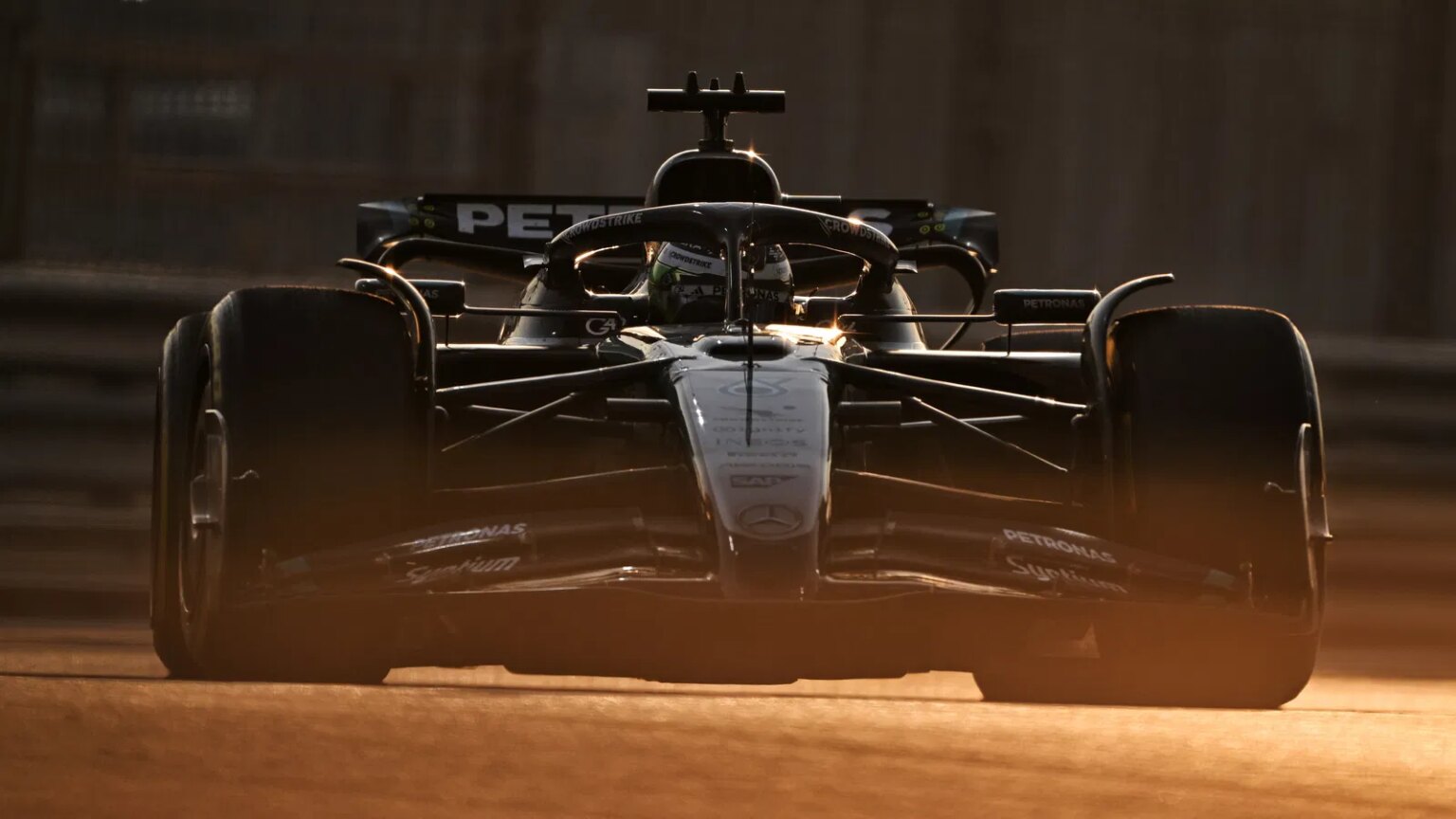
Mercedes is cautious about being labeled early favorites for the 2026 Formula 1 season. With new power unit and aerodynamic regulations set to debut next season, significant shifts in the competitive landscape are anticipated. Mercedes, having dominated since the introduction of the V6 hybrid engines in 2014 with eight consecutive constructors’ championships and seven drivers’ titles, faces fresh challenges. Despite being seen as the team to beat for next year, Mercedes team principal Toto Wolff urges caution, emphasizing a “glass-half-empty” mindset and the need to outperform rivals like McLaren, Williams, and Alpine, especially since some competitors may have made significant developments unnoticed by others.
Wolff also highlights the uncertainty surrounding the power units and hints that rival teams and manufacturers might use Mercedes’ favored status as motivation. The complexity of the new regulations leads to speculation that one team could gain an unfair advantage, but Mercedes’ head of powertrain, Hywel Thomas, believes the rules are designed to prevent such loopholes, though clever exploitation remains possible. Thomas admits that despite preparation, last-minute reliability and performance concerns are common. Notably, Mercedes will supply power units to three customer teams in 2026—McLaren, Williams, and Alpine—providing extensive data and feedback but also creating challenges in hardware production and strategy decisions. He suggests there’s an optimal balance in supplying multiple teams, likely favoring a larger customer base rather than focusing on just one.
Fan Take: This cautious approach from Mercedes highlights the intense strategic and technical battles brewing for 2026 that will deeply impact the sport’s competitive balance. For fans, it means an unpredictable season ahead where innovation and adaptability will be just as crucial as raw speed, promising an exciting new chapter in F1 racing.