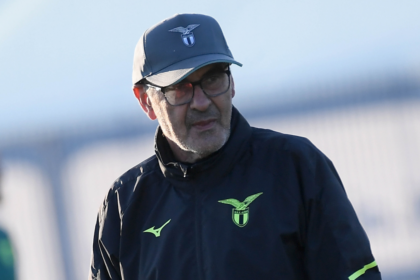


On Wednesday, the New York Liberty officially announced Chris DeMarco as their new head coach. The press event, featuring players Sabrina Ionescu, Betoniya Rainey-Hamilton, Nyara Sabally, and Isabelle Harrison, felt less like a formal introduction and more like a platform for General Manager Jonathan Kolb and DeMarco to address and validate critiques indirectly.
DeMarco, who has led the Bahamas men’s national team since 2019 and served over 13 years as an NBA assistant coach with the Golden State Warriors, does not have prior high-level experience coaching women’s basketball. Some perceived him as a coach who suddenly recognized the WNBA as a serious, respected league rather than a secondary branch of the NBA—a perspective shift from seeing the WNBA as the NBA’s lesser sibling to acknowledging it as a distinct and worthy competition.
Aware of both harsh and sympathetic feedback, DeMarco expressed his growing respect for the WNBA during the press conference. Still with the Warriors until January 1, he shared:
“We had three games in four nights, so I’m still continuing in my assistant coaching role with the Golden State Warriors. But when I have free time, I pour it into this. I probably ordered every New York Liberty magazine book I could find online. You’ve been watching as a fan for a long time, haven’t you? So now I have to change my focus and watch as a coach. There’s a lot to go back and watch, but as a huge basketball fan, I love every moment of it, so I’ll continue to pay attention. Keep learning about WNBA history, Liberty history, and more. It’s a truly exciting time for the WNBA and the franchise as it enters its 30th season.”
His claim about ordering every New York Liberty book raised some eyebrows online, but it’s clear DeMarco is in a tricky spot—an outsider trying to prove his dedication to the WNBA’s culture and history. Though his remarks might seem over the top, there’s some grace to be extended for his evident effort to embrace the league sincerely.
DeMarco called accepting this role with a “world-class organization” an obvious choice, highlighting his excitement and honor in coaching some of the best players globally. He complimented the Liberty players’ character and expressed confidence that New York would be a player-focused team led by experienced winners.
The reality remains, however, that Kolb selected DeMarco precisely because he is neither a WNBA nor women’s basketball veteran. Kolb replaced Sandy Brondello, a prominent women’s basketball figure, with DeMarco to inject fresh perspectives and innovation into the Liberty.
After their playoff exit and Brondello’s departure, Kolb sought “evolution and innovation,” emphasizing positivity with comments like, “You can stop, or you can embrace change and move forward. My commitment is to continue to push New York Liberty to new heights.” On Wednesday, he reiterated that their extensive review confirmed DeMarco met the team’s critical criteria: tactical confidence, leadership, curiosity about basketball, experience building dynasties, and championship exposure.
Kolb praised DeMarco’s blend of tactical expertise, emotional intelligence, and work ethic, spotlighting his impactful time with the Warriors. He believed DeMarco’s ability to offer a clear plan and competitive drive during tactical sessions set him apart.
In essence, Kolb sees DeMarco’s Warriors background—an organization known for strategic and cultural innovation—as ideal to lead the Liberty into a new era of smarter, more sophisticated basketball, elevating New York’s status in the WNBA.
The criticism is more pointed at Kolb’s choice than DeMarco personally. Kolb envisions a leader who can push Liberty beyond traditional WNBA norms. Clearly, Kolb isn’t concerned if DeMarco lacks deep roots in Liberty’s history or WNBA culture.
This hire wasn’t about forsaking the Liberty’s 30-year WNBA legacy but rather Kolb’s belief that building a top-tier, sustainable, and innovative basketball program required looking beyond the WNBA. Unfortunately, this approach carries embedded biases related to gender, race, and basketball expertise, culminating in the selection of a white male NBA assistant with no women’s basketball coaching experience.
Fan Take: This coaching change marks a significant moment for the WNBA, reflecting a willingness to blend NBA strategic innovation with women’s basketball. While it could drive new levels of tactical sophistication, it also prompts a broader conversation on valuing the unique culture and history of women’s basketball in leadership decisions.