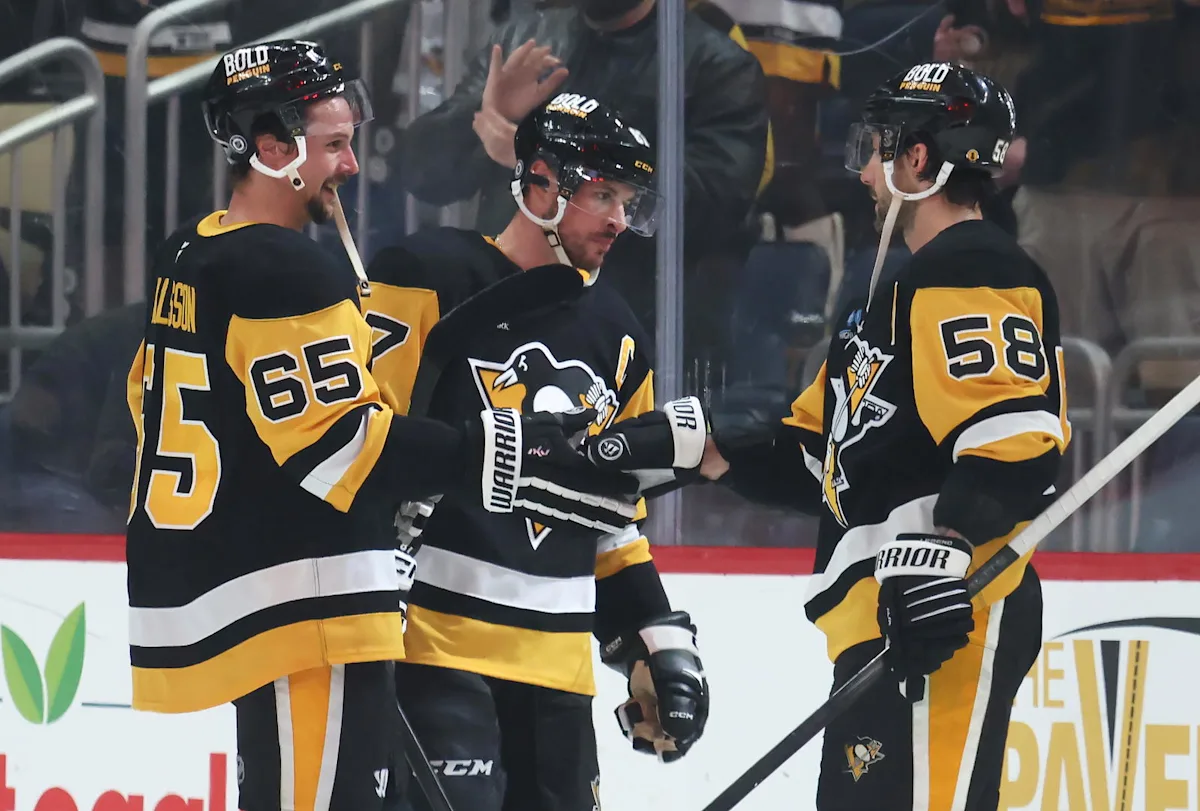
The Pittsburgh Penguins have faced one of the most challenging weeks for an NHL team in recent times. On December 7, they gave up a 2–1 lead late against the Dallas Stars, losing 3–2 in a shootout. A couple of days later, on December 9, they held a 2-1 power play lead against the Anaheim Ducks with just 10 seconds left, but allowed a goal with 0.1 seconds remaining and again fell in a shootout.
Historically, the Penguins have rebounded well after tough losses this season. After losing to Anaheim on October 14 due to a late penalty error by Parker Wotherspoon, they bounced back with a strong 4-2 win over the Los Angeles Kings. Following a blowout loss to the Toronto Maple Leafs on November 3, where they trailed 3-0 in the third period, they responded by defeating the Washington Capitals 5-3. They also split their Global Series against the Nashville Predators.
GM and President of Hockey Operations Kyle Dubas has praised the team’s resilience in coming back from defeats, so another strong comeback after the last-second loss to the Ducks seemed likely. However, that didn’t happen. In fact, things worsened.
On Saturday, despite a commanding 5-1 lead against the San Jose Sharks midway through the third period, the Penguins allowed the game to slip away, ending in a 6-5 overtime loss. The expectation was for the team to respond strongly against the Utah Mammoths on Sunday, but they fell behind 3-0 going into the third period and ultimately lost again in overtime after managing to tie the game late on a goal by Justin Brazeau.
This marked a troubling trend of third-period collapses for the Penguins, giving up 15 points in their last three games, mostly in the final frame and overtime. Notably, they only allowed four points in the first 40 minutes of those games. This inability to hold leads in the third period is a significant concern, especially since it was not an issue earlier in the season.
Responsibility is shared across the board. First-year head coach Dan Muse has made some questionable lineup decisions, though these likely didn’t directly cause the late-game blowouts. GM Dubas and his staff may need to consider shaking up personnel, possibly giving younger players like Tristan Broz or Avery Hayes opportunities amid injuries to key centers Evgeni Malkin and Blake Lizotte.
Veteran players, particularly the core leadership group, bear a large part of the blame. Sidney Crosby and Brian Rust’s defensive performances have been especially problematic, with lapses leading directly to crucial goals. Crosby was on ice for multiple late goals against both the Sharks and Ducks, while Rust holds the worst defensive rating on the team. Kris Letang has also struggled defensively throughout the season, further compounding problems.
Despite these issues, the Penguins remain just one point shy of a playoff spot, indicating the situation, while serious, is not yet catastrophic. Still, the urgency to fix these late-game breakdowns is clear.
Coach Muse has emphasized the need for aggression rather than caution when leading late in games, while Erik Karlsson pointed out that the problems stem from mindset and system rather than talent, meaning they are fixable. The key lies in the leadership group regaining trust and setting the right example.
Moving forward, players like Carlson, Crosby, Letang, and others must step up to guide the team back on track. With just five games before the holiday break, the upcoming stretch will reveal what kind of team the Penguins truly are and whether the veterans can change the narrative.
Fan Take: This troubling stretch for the Penguins highlights how crucial leadership and mental toughness are in professional hockey, especially when it comes to maintaining leads. Hockey fans should pay close attention because how the Penguins respond could influence team dynamics and playoff outcomes across the league.