One major aspect of MotoGP’s ongoing contract phase is that although the paddock’s focus is largely on 2027, the 2025 season’s conclusion is just weeks away. The critical rule changes set for 2027 align with most rider contracts expiring at the end of next year, and significant shifts in the current standings are anticipated. It’s rare to see such a large number of top riders vying for positions, with most grid spots offering the chance for a competitive bike amidst the added complexity of upcoming rule changes.
In recent North American sports, the Vancouver Canucks shocked fans by trading star defenseman Quinn Hughes to the Minnesota Wild. Hughes, a first-round pick in 2018, emerged as one of the NHL’s elite talents and arguably the best defenseman in Canucks history. The trade came as the Canucks struggled to build a winning team around him, with their 2023-2024 playoff run considered more of a fluke. This move, at the height of Hughes’ market value, left Vancouver fans deeply disappointed and is seen as a glaring failure of the management and ownership to capitalize on unique talent.
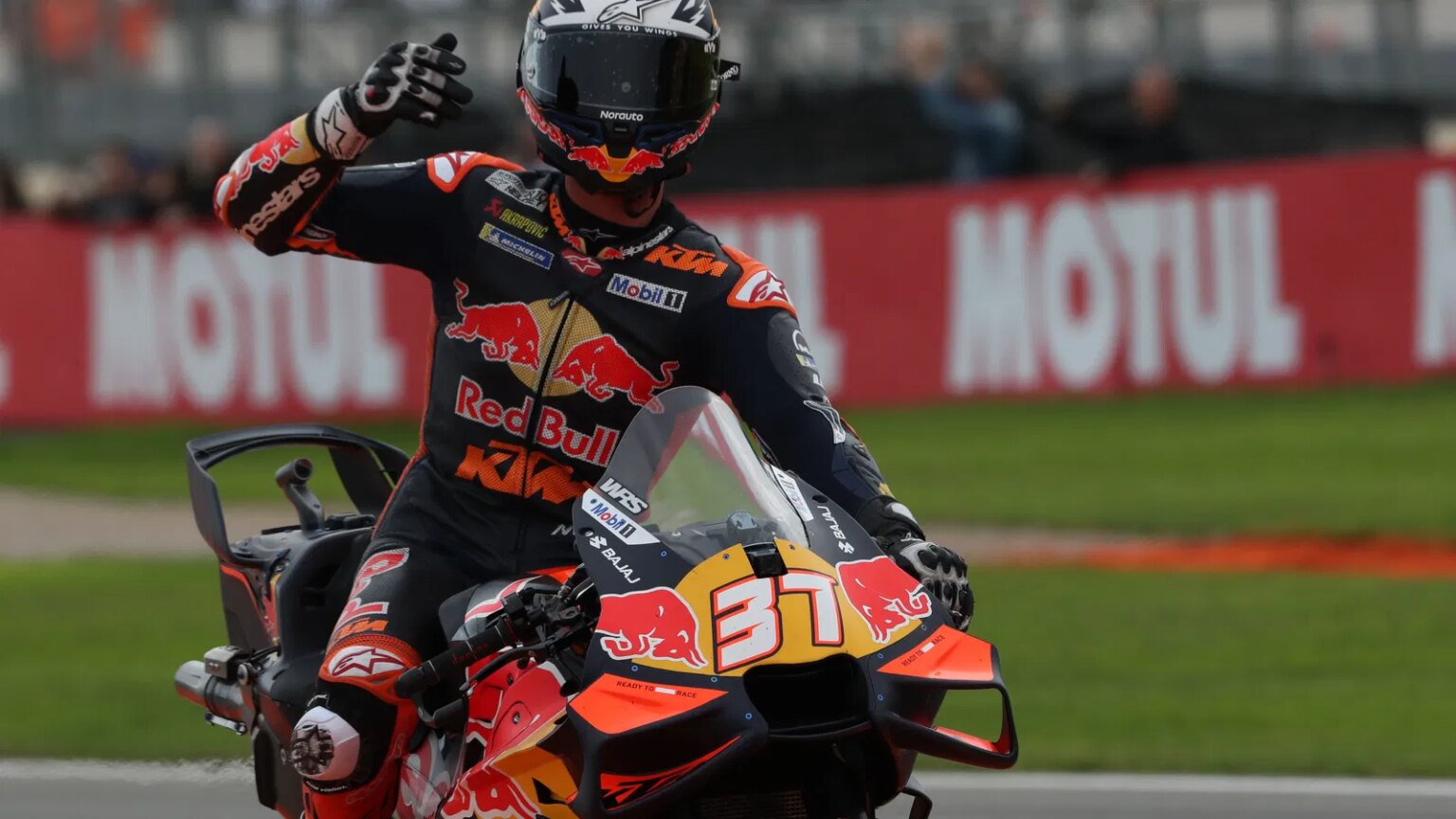
This situation draws parallels with Pedro Acosta, who is facing a challenging period at KTM after his second MotoGP season. His performance has fallen short of expectations and his evident talent. KTM prides itself on nurturing talent through its Rookies Cup and strong Moto3 program, and its partnership with Ajo Motorsport has cultivated riders like Brad Binder and Miguel Oliveira into race winners. Acosta’s rise was seen as a major breakthrough for KTM, after winning the Moto3 title and competing for Moto2, marking him as a potential star in MotoGP.
Acosta made a strong start in his rookie year, earning multiple podiums including near-victories, but in 2025, he has struggled significantly. Despite racing with KTM’s factory team, he did not reach the podium until mid-season and often lacked the racing position to win. Meanwhile, peers like Fermin Aldeguer and Raul Fernandez claimed rookie wins on different manufacturers’ bikes, intensifying the pressure.
KTM’s struggles in 2025 are linked to ongoing bike development issues and financial constraints. The RC16 faced technical challenges like weaker brakes and excessive tire wear, hampering performance. While teammate Brad Binder brought experience, Acosta’s frustration grew, openly expressing dissatisfaction with the bike and the lack of support. Despite these issues, recent updates have improved the bike’s competitiveness, allowing Acosta to climb in the standings, though victory still eludes him.
KTM, despite its “Ready To Race” motto, has yet to make a significant breakthrough in MotoGP since debuting in 2017, securing only seven wins—most recently in 2022. This contrasts with Aprilia, which, despite being a smaller manufacturer, has scored more wins and shows promise for future championships. KTM boasts ample resources, a strong rider lineup, and development talent, yet consistent success in the top class remains elusive. Some attribute this to KTM’s unique technical approaches, such as their steel and carbon fiber frames and WP suspension, which have lagged behind industry norms.
The departure of key personnel like Fabiano Sterracchini and uncertainty over KTM’s future investments complicate matters further. Rumors suggest Acosta may have already signed a contract for 2027, potentially with Ducati, which would be a strategic move given KTM’s uncertain trajectory. Should Acosta leave, KTM faces the difficult task of replacing a marquee talent amid economic and competitive uncertainties.
Currently, KTM’s rider lineup struggles to consistently deliver podiums or wins. Brad Binder has yet to fully realize his potential, Maverick Viñales has been inconsistent, and Enea Bastianini’s performances don’t consistently challenge for titles. While KTM’s youth development remains strong, finding another rider with Acosta’s impact will be challenging, signaling a significant setback for the team.
Acosta’s situation and KTM’s struggles represent one of the sport’s biggest recent disappointments – a once-promising partnership now looking likely to end prematurely. The outcome serves as a critical example of how talent development, technical innovation, and management decisions must align to succeed in MotoGP’s elite environment.
Fan Take: This news is crucial for racing fans because it highlights how even the most promising talents and well-resourced teams can struggle without the right support and innovation. Acosta’s potential shift away from KTM could reshape the competitive landscape, underscoring the high stakes and constant evolution in MotoGP.