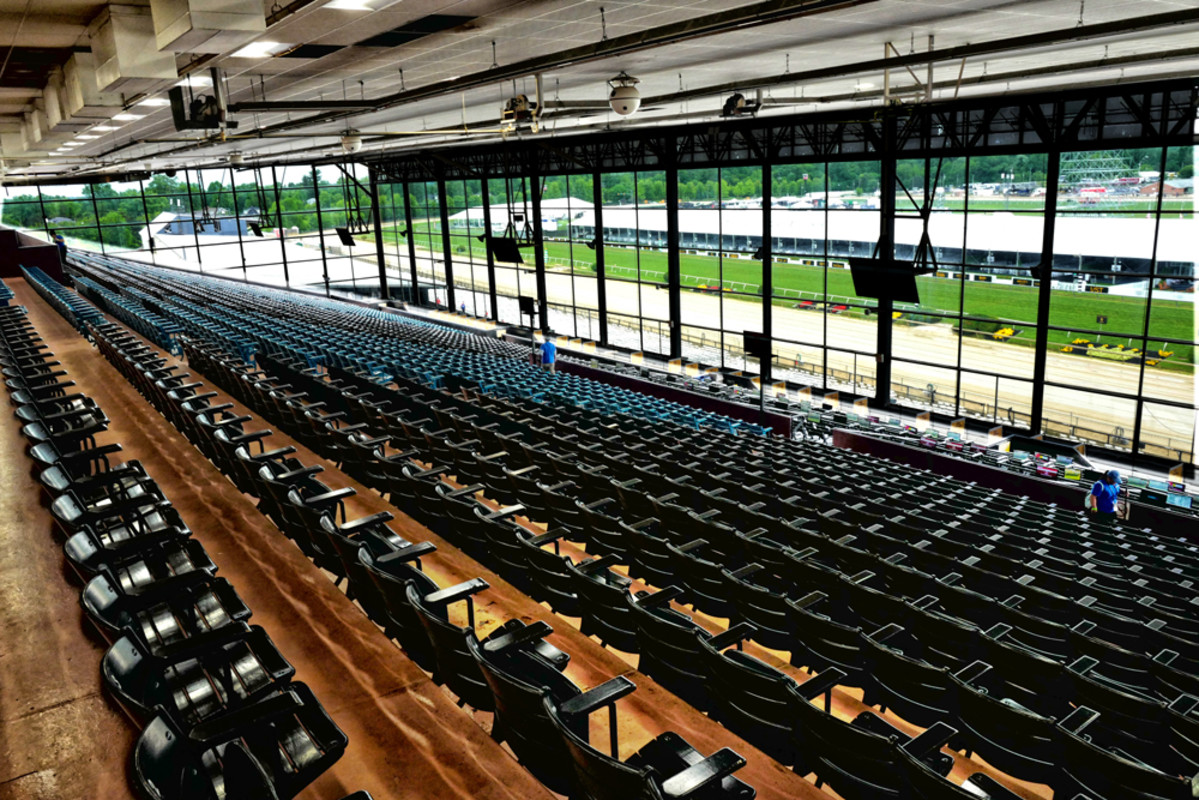
Step onto any racetrack today, and the decline is evident. Once known as the Sport of Kings, thoroughbred racing no longer draws large crowds or bustling parking lots. The number of horses has shrunk, race fields have become smaller, and many owner boxes sit empty. The sport is clearly running out of time.
This is not an exaggeration—the statistics tell the story. Over the last two decades, thoroughbred racing venues in the U.S. have shrunk by nearly 40%. Foal birth rates have plunged by 58%, dropping from 40,333 in 1990 to just 16,675 in 2024, according to the Jockey Club. Ownership has also decreased by over 40%, and betting participation has concentrated among a small elite. Mid-week races often suffer from sparse fields.
Despite appearances, the industry faces a severe shortage of both horses and fans. In the Mid-Atlantic region—which includes New York, New Jersey, Delaware, Pennsylvania, Maryland, and Virginia—about 9,000 horses are spread thin across multiple tracks. Many races happen on the same day, drawing from the same limited pool of horses and under similar conditions, creating a challenging environment. A truly collaborative Mid-Atlantic racing circuit would allow everyone to survive and even profit.
Today’s thoroughbred racing industry struggles with two major, interconnected challenges:
1. Declining participation and shrinking track sizes mean it’s unrealistic for every racetrack to run full cards several days a week successfully, as evidenced at small Mid-Atlantic tracks.
2. Fragmented leadership and overlapping race dates force tracks in close proximity to compete for the same horses. Maryland’s recent decision to reduce its schedule to avoid clashing with Colonial Downs—and thus enhance regional cooperation—is a rare and positive example.
These problems are nationwide but the Mid-Atlantic has a unique chance to lead by example.
There are already signs that regional cooperation can work. Initiatives like the MATCH series reward participants across multiple Mid-Atlantic racetracks with points and bonuses. Additionally, Maryland, Virginia, and Delaware collaborate on stakes programs and combine state funds and bonuses, demonstrating that cooperation strengthens the entire industry.
The Mid-Atlantic Circuit envisions:
– Racing from March 1st to November 30th
– A minimum daily purse distribution of $1 million
– Larger field sizes, bigger betting pools, and greater revenue sharing
– A shared race condition book helping jockeys plan their campaigns
– Unified marketing to portray a strong, collective racing story
If implemented correctly, a coordinated Mid-Atlantic calendar could benefit all stakeholders. Larger fields create bigger betting opportunities, increasing handles and revenue.
One common objection is the fear of losing race dates. However, shortening schedules collectively is not just necessary—it could revive betting volumes, field sizes, and profits.
What’s missing is unified courage among track operators, racing authorities, and regulators to acknowledge that the current fragmented system fails many. Building a Mid-Atlantic circuit offers a plan, a compelling narrative, and a real chance to rescue Thoroughbred racing—for everyone involved.
~Michael Musto, Executive Director of the New Jersey Thoroughbred Horsemen’s Association
Fan Take: This proposed regional partnership could be a game-changer for horse racing fans, breathing new life into the sport through bigger races and better competition. If successful, it promises a more vibrant and sustainable future for the sport we love.