

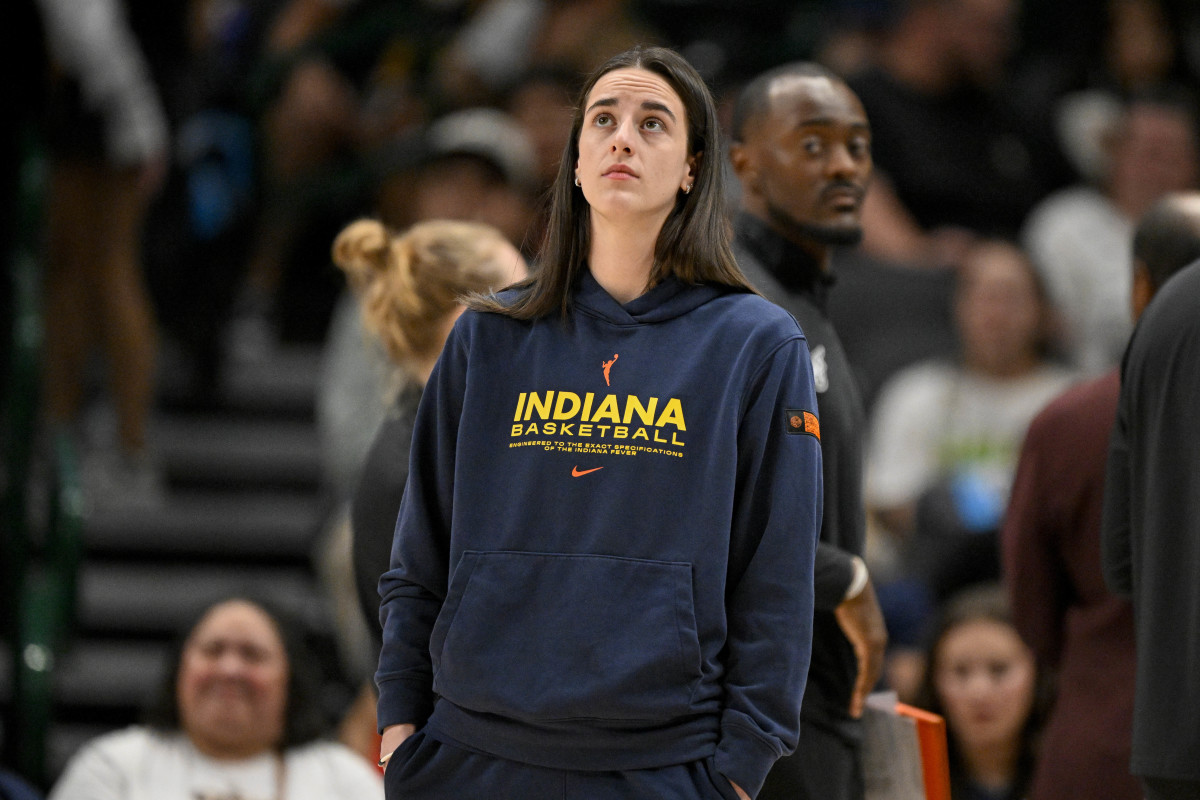
Caitlin Clark has made a significant impact on the WNBA since joining the league. As a standout player for the Indiana Fever, she has attracted widespread attention through her record-setting performances, national TV appearances, and strong fan support. Clark’s rise has been crucial in boosting the league’s popularity, leading to increased attendance, viewership, and recognition following her rookie year.
Due to her influence, Clark is often highlighted in discussions about the league. This was evident recently when key updates about labor talks between the WNBA and the Women’s National Basketball Players Association (WNBPA) were announced. The WNBPA revealed that its members voted overwhelmingly—98% in favor—to empower leadership to call a league-wide strike if necessary. While this doesn’t mean an immediate stop to games, it marks an escalation in the ongoing collective bargaining process.
Many of Clark’s fans are concerned that this could jeopardize the momentum she has helped build. Comments from supporters express frustration and worry that the strike authorization could stall progress in the league and undermine Clark’s rising stardom. Some fans even voiced doubt about the upcoming seasons and the league’s future without her continual presence.
The WNBA responded by affirming its commitment to reaching a new collective bargaining agreement and highlighted ongoing discussions focused on improving player compensation and benefits amid the league’s rapid growth. However, if a strike or lockout happens, it could delay or cancel the 2026 season, halt planned league expansion, and disrupt player movements—an unprecedented scenario for the WNBA.
Clark, along with other players, supports better pay and revenue sharing in line with the league’s growth, though she hasn’t publicly addressed the strike vote yet.
Fan Take: This development is a critical moment for WNBA fans, as it underscores the tension between player advocacy and league progress. The outcome could shape the future of women’s basketball, either accelerating its rise or risking a setback in the sport’s expanding popularity.