

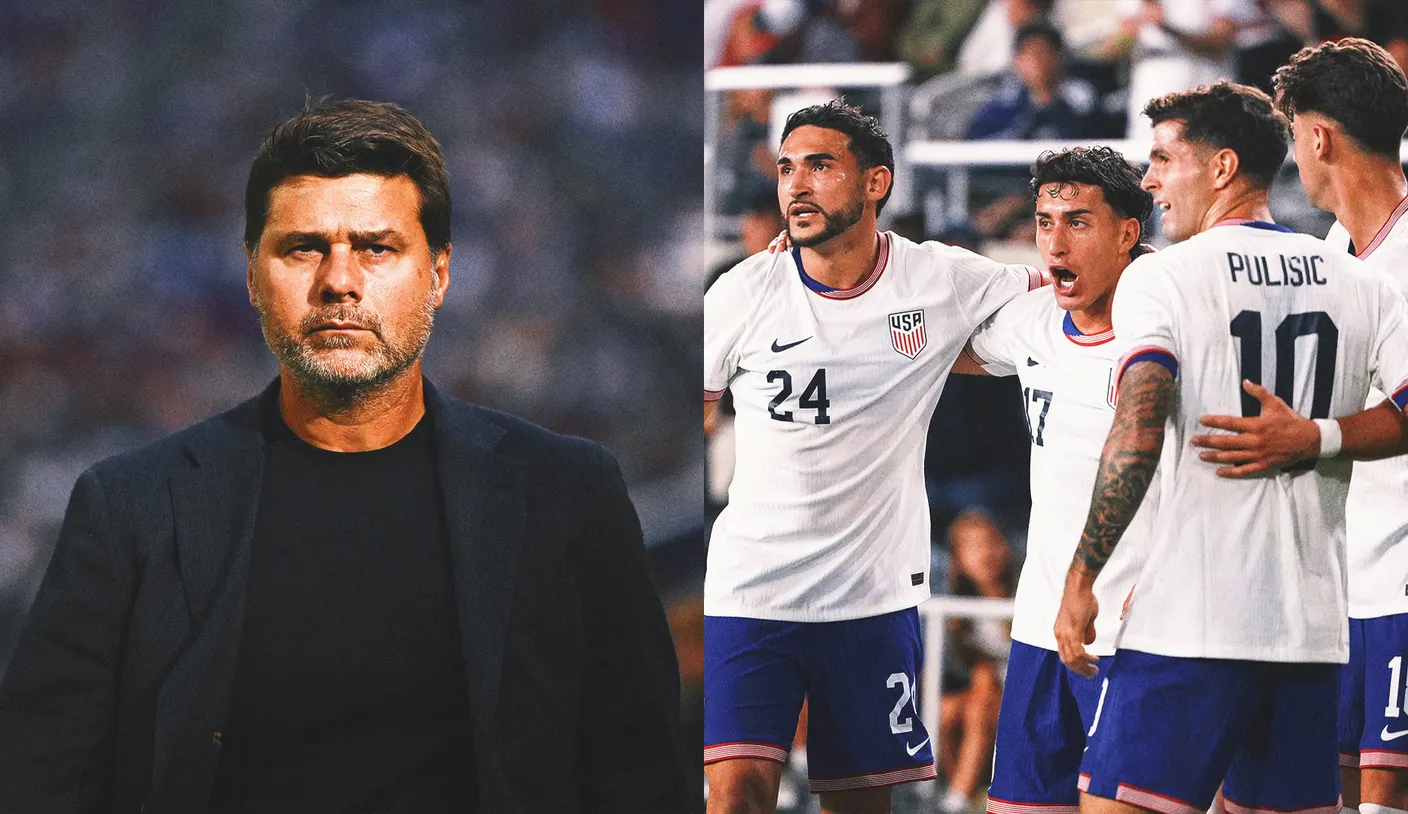
In approximately six months, the largest World Cup in history will kick off, featuring 48 teams across 16 cities and co-hosted by three countries in what promises to be soccer’s premier event. This moment also invites introspection, particularly for the U.S. men’s national team, under the stewardship of manager Mauricio Pochettino, who is concentrating on the upcoming tournament.
As the countdown to 2026 begins, it’s vital to review the past year for the U.S. Men’s National Team. New players like Diego Luna have earned their spots, and Pochettino’s approach during the training camp has garnered attention, especially with European stars like Christian Pulisic missing due to club commitments.
The latest “Camp Cupcake” allowed the team to discover promising talents. Striker Patrick Agyeman and defender Max Alfsten made their marks, with Agyeman scoring against Venezuela and Costa Rica and Alfsten leading in assists. Midfielder Jack McGlynn and attacking midfielder Diego Luna also showcased their skills, highlighting Pochettino’s knack for building younger players into key roles.
The Nations League served as a challenging benchmark, where Agyeman, Alfsten, and Luna had to prove themselves against seasoned veterans returning to the squad. Expectations soared, but after a semifinal victory against Panama, the U.S. fell short in the finals, losing 1-0.
Despite the setback, Pochettino recognized the need for a fresh approach, emphasizing that the team’s priorities must align with collective success rather than individual accolades. Failed attempts in the Nations League heightened the pressure for the upcoming Gold Cup, which occurs just before the key 2026 World Cup.
However, plans faltered as Pulisic and other leading players opted out of the Gold Cup, citing fatigue. With several key players injured or unavailable, Pochettino made strategic alterations—including calling on uncapped players—but faced criticism after the team’s 4-0 loss to Switzerland.
The U.S. rallied in the Gold Cup, ultimately reaching the final against a strong Mexico side, though they experienced a narrow defeat. Despite early criticism, the team rallied with a strong showing against Japan, winning 2-0, showcasing their potential under Pochettino’s guidance.
As 2025 came to a close, the U.S. demonstrated a noteworthy comeback with victories over Paraguay and other rivals, closing the year with solid performances. They also learned their World Cup group stage fate, which includes Australia and Paraguay, indicating opportunities ahead.
Pochettino remains optimistic, emphasizing that lifting the World Cup is the team’s ultimate goal. While he’s assessed over 70 players since his tenure began, he insists the focus must remain on proving oneself deserving of a place in the coveted squad.
In light of these developments, it’s crucial for soccer fans to see how such transitions can impact the U.S. team’s success on the world stage. The journey to the 2026 World Cup will not only shape the future of American soccer but could also spark a greater passion for the sport nationwide.