
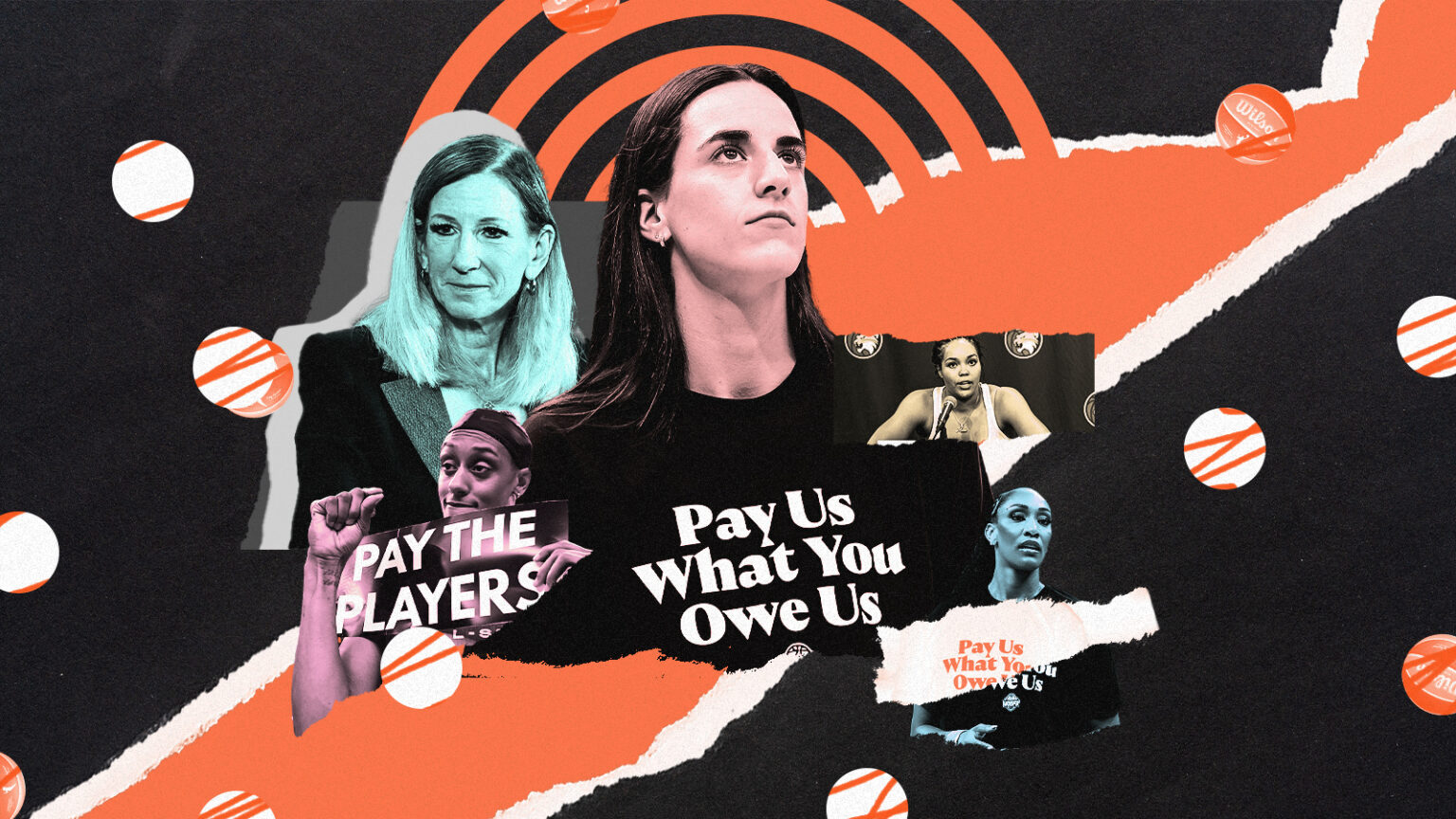
At the 2025 WNBA All-Star Game, players wore T-shirts displaying a bold message: “Pay us what you owe us!” All-Star guard Kelsey Plum later clarified that the players aren’t demanding equal pay to NBA men’s salaries, but rather an equal share of the league’s revenue—a share that currently is far from fair. NBA players typically receive about half of basketball-related income, including ticket sales, broadcast deals, and sponsorships, although luxury suite revenues mostly favor the NBA. In contrast, WNBA players earned less than 7 percent of the league’s total revenue in 2025, with Plum’s salary that year at just $202,000, far below the highest WNBA salary of $249,244.
This disparity largely stems from the ownership structure—NBA owners collectively hold over 60% of WNBA shares, meaning they control how much female players are paid. To illustrate the pay gap, Otis Birdsong, an NBA guard in 1981, earned over five times Plum’s 2025 salary despite never winning a championship. Adjusted for inflation, Birdsong’s earnings were more than 15 times Plum’s. Yet, the WNBA now attracts larger attendance and revenue than the NBA did then, highlighting the inequity.
Currently, negotiations between the WNBA players and league owners are underway, with the existing collective bargaining agreement expiring in January 2026. The NBA proposes giving players 50% of “net” revenue, meaning many expenses are deducted before salaries are calculated, resulting in players receiving less than 15% of total revenue. The WNBA Players Association counters with a demand for 29% of total revenue, growing to 34% by 2031. While this is still less than the NBA men’s 40-50%, it reflects a push for fairer compensation. The NBA’s proposal hints at significant revenue growth due to new broadcasting deals and league expansions, but denies players a proportional increase.
The financial gap is vast: under the NBA’s offer, average WNBA salaries would be around $530,000 in 2026, compared to nearly $1 million if players’ demands are met. By 2030, projections show the difference in average salary nearing $1 million annually per player. For Plum, the difference could total over $5.5 million over five years. WNBA players have already conceded about $450 million by accepting less than 40% revenue share and could lose an additional $700 million if the NBA’s offer stands.
NBA owners argue that paying players more would threaten the league’s profitability, yet male players have never received less than 15% of NBA revenue historically. The NBA also wants to extend the WNBA season, demanding more work from players even as they seek to limit pay increases. Despite concessions from players, the ongoing negotiations suggest the gender pay gap will persist, with WNBA owners poised to benefit while players continue to fight for fair compensation.
Fan Take: This story is crucial for WNBA fans because it exposes the deep inequalities in professional basketball and highlights the players’ fight for fair treatment. The outcome of these negotiations will shape the future of the league and could define whether the WNBA can grow sustainably while honoring the incredible talent and dedication of its players.