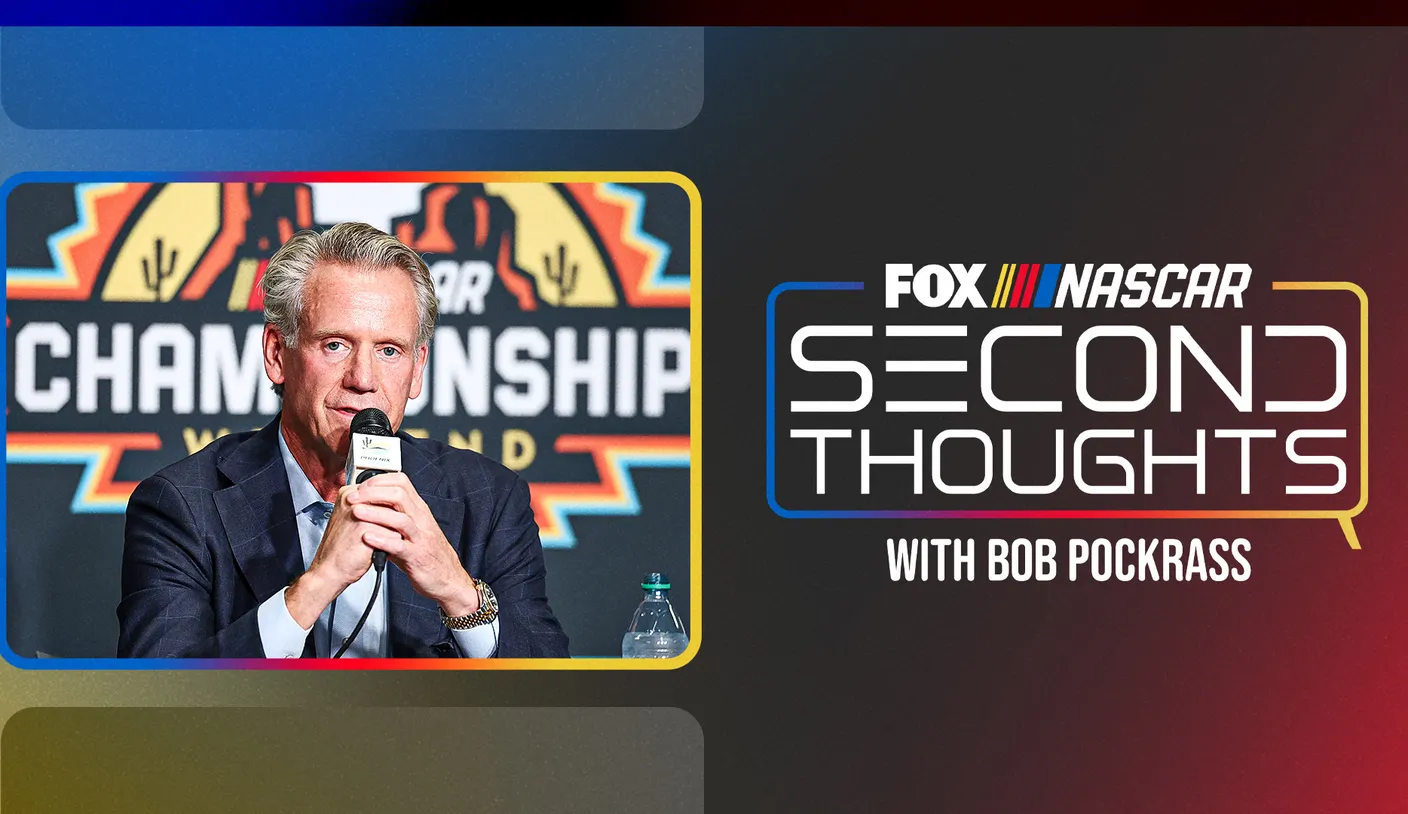
Steve Phelps has stepped down as the public representative of NASCAR, a move many in the sports world anticipated but regret. While he could have remained in roles like chief marketing officer or chief operating officer, his positions as president since 2018 and commissioner from 2025 onward required the trust and confidence of fans—something that ultimately waned.
Though Phelps didn’t need fan approval to make decisions, sports leaders must communicate in ways that respect and acknowledge stakeholder views. His candid messages, revealed during a recent antitrust lawsuit, damaged his standing, leaving current NASCAR president Steve O’Donnell with the challenge of rebuilding that trust.
Phelps expressed frustration, especially towards owner Richard Childress, disparaging him in private texts during sensitive media rights negotiations in 2023. These remarks upset fans and even led to anger from sponsors like Johnny Morris of Bass Pro Shops. Ironically, before these damaging documents surfaced, Phelps had been close to negotiating a compromise between team owners and NASCAR owner Jim France over charter agreements. However, France pursued a contested contract that led to litigation, even though Phelps was not named in the suit.
Renowned within the motorsports community, evidenced by his swift appointment as PGA commissioner, Phelps successfully navigated challenges such as NASCAR’s rapid return after the COVID-19 shutdown and secured lucrative media deals extending through 2031. He also aimed to attract new interest through unique events like the Los Angeles Memorial Coliseum and Chicago street races. Yet, he occasionally appeared out of touch with some competitive issues, particularly regarding the safety concerns of next-gen car crashes.
Though the Phelps-O’Donnell leadership wasn’t disastrous, the responsibility now falls to O’Donnell, who has experience from the competitive side of NASCAR and is poised to stabilize the sport. Like Phelps, O’Donnell has privately criticized elements of the sport, including drivers involved in the SRX series, fearing potential damage to NASCAR’s brand. He has emphasized that the 2016 charter deal was meant to unify the sport—a goal not fully realized.
O’Donnell’s public communication has been cautious; he initially engaged with fans via social media but withdrew when negativity overwhelmed productive discussions. Compared to Phelps, he has made more forward-thinking, sometimes divisive decisions within the garage, showing resilience and a communicative style that can create both connection and challenges. Above all, he is viewed as someone passionate about NASCAR, though his dedication can sometimes be overwhelming.
Phelps’ departure is unlikely to bring dramatic changes, as NASCAR’s management remains internally focused without significant outside upheaval. Following the lawsuit revelations, the sport most urgently needs leadership that can clearly articulate a vision and follow through with action. O’Donnell demonstrated this when introducing stringent penalties for violations related to next-generation cars—a role Phelps was never suited for, preferring strategic planning over direct enforcement. The leaked texts have undermined fans’ trust in Phelps, regardless of his sincerity.
In sports, the “next man up” philosophy applies: with Phelps gone, O’Donnell steps in as both CEO and coach figure, supported by Ben Kennedy—seen as an emerging leader awaiting his family’s approval to take the helm. NASCAR must now act boldly to move forward.
Let’s watch closely how this leadership duo advances the sport.
Fan Take: Steve Phelps’ exit highlights the fragile relationship between NASCAR’s leadership and its fan base, underscoring the need for transparency and respect in communication. For NASCAR fans, this transition signals both challenges and opportunities—if O’Donnell can build trust and lead decisively, it could mark a new era of growth and stability for the sport.