
RB Leipzig Pursues Realistic Ambitions in German Football
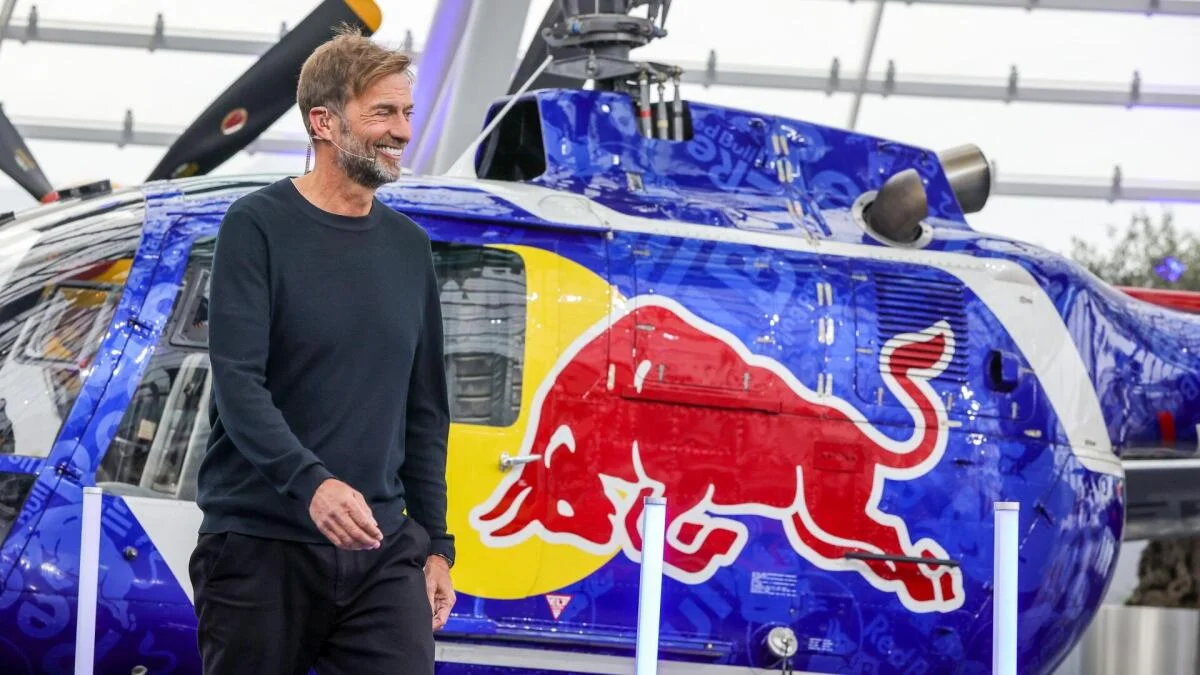
Located in Leipzig, Germany, RB Leipzig exhibits a refreshing transparency regarding their position within the football hierarchy. Recently, captain David Raum candidly acknowledged that while challenging Bayern Munich for the Bundesliga title may not be feasible, securing the DFB Pokal is a more attainable goal this season. The sentiment was echoed by Jurgen Klopp, head of global football at Red Bull, who stated that if Leipzig were to win the league, it would likely result in the sale of their top players, necessitating a search for replacements of equal quality.
Despite their recognition of the challenges they face, Leipzig is unfazed. Having missed out on the UEFA Champions League qualification last season for the second time since their inaugural entry during the 2017-18 season, they continue to leverage a tried-and-true strategy that has solidified their status as one of Europe’s more consistent clubs. Klopp’s arrival and subsequent strategies have reinforced a return to foundational principles while allowing for unique adaptations. Ambitious goals are present, as sport director Marcel Schäfer noted that Leipzig aspires to join the ranks of teams that have historically bested Bayern, although they are realistic about their financial constraints within a landscape dominated by wealthy superclubs.
The current season showcases Klopp’s vision for the club, building off a robust network that emphasizes stylistic coherence across teams. The tactical philosophy remains focused on attacking play, but under new manager Ole Werner, Leipzig is adapting their formation to introduce more clarity with their wingers, thus enhancing their attacking potency. Raum highlighted changes that allow players to maximize their capabilities in wide positions, which resonates with Klopp’s previous successes at Liverpool.
Leipzig remains pragmatic about player retention, viewing themselves as a nurturing establishment for emerging talents. Their success in moving players like Dani Olmo and Josko Gvardiol into prominent roles speaks to their commitment to player development, even as they recognize the inevitable necessity of transfers to maintain their competitive edge.
While financial power is a critical concern in football, particularly in England, Klopp has expressed a different mindset regarding Bayern’s dominance in Germany, indicating acceptance of the situation. He has pointed out that Leipzig’s achievements, particularly seven consecutive qualifications for the Champions League, reflect consistent progress despite the challenge of selling top players.
A focal point for improvement lies within their academy, where there has been a lack of players transitioning into regular first-team roles. The club is looking to David Wagner—who previously managed Huddersfield Town and worked alongside Klopp—to revamp their approach and integrate academy graduates into the first team more effectively. Wagner’s role involves ensuring that young talents receive adequate opportunities to flourish within the Red Bull framework.
In conclusion, RB Leipzig’s focused approach mirrors their acknowledgment of the larger footballing landscape. Their commitment to tactical consistency, player development, and realistic ambition positions them uniquely in the Bundesliga, marking them as a club to watch in the coming years.
Fan Take: This news showcases RB Leipzig’s clear vision and willingness to adapt in a challenging environment, making it particularly relevant for soccer fans. As the club strikes a balance between ambition and realism, it may redefine how mid-tier clubs can compete against powerhouses in Europe, ultimately making the sport more competitive and exciting.