

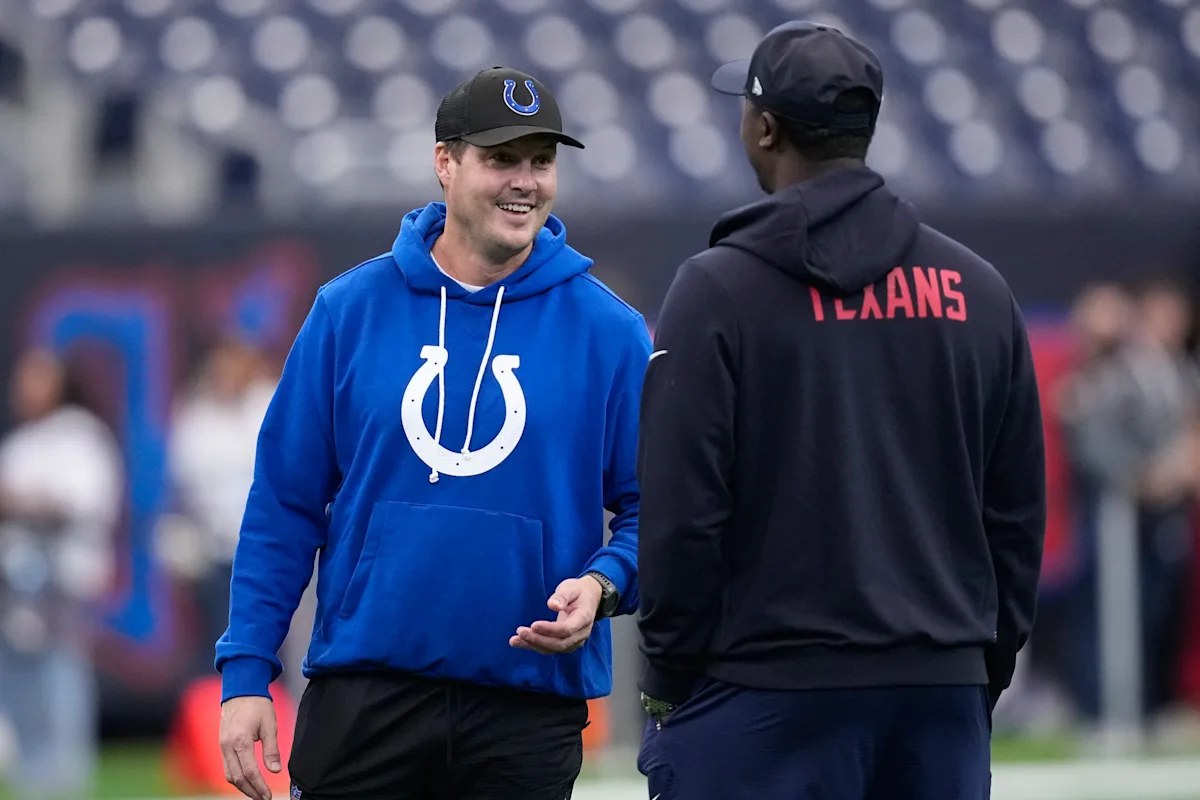
Philip Rivers has decided to step back and will no longer be considered for the head coaching role with the Buffalo Bills, according to two sources familiar with the decision who spoke anonymously to The Associated Press on Monday. This development was first reported by a journalist from The Athletic.
The 44-year-old former quarterback, who came out of retirement recently to start three games for the Indianapolis Colts, interviewed with the Bills last Friday. Buffalo began its coaching search on Wednesday, shortly after parting ways with Sean McDermott, who had been their head coach for nine years.
Despite lacking NFL coaching experience, Rivers was viewed as a compelling candidate. Before retiring after the 2020 season and returning briefly to play, he spent five years coaching high school football in Alabama. Rivers brings with him deep offensive expertise and a network built over 18 NFL seasons—first 16 with the Chargers—and shares a mutual respect and the same agent as Bills quarterback Josh Allen.
Allen remains involved in the team’s interview process, which is being led by general manager Brandon Beane and owner Terry Pegula. Buffalo has interviewed seven candidates so far, including Rivers, after recently meeting with Jacksonville Jaguars offensive coordinator Grant Wudinski. On Monday, the day after Denver’s AFC Championship loss to New England, the Bills had a scheduled discussion with Broncos’ passing game coordinator and quarterbacks coach Davis Webb.
Webb, 30, is a former quarterback who spent parts of three seasons with the Bills, mostly on their practice squad, and Allen has praised his football knowledge and influence. The Bills have not set a timeline for concluding their search and have yet to disclose how many more candidates they plan to meet with.
—
Fan Take: While this news centers around football, it highlights the increasing crossover in coaching and leadership talent across sports, including basketball. As strategies evolve, insights from experienced players like Rivers can inspire new approaches and innovations that resonate beyond the gridiron, influencing how basketball teams build leadership and develop their offensive game plans.