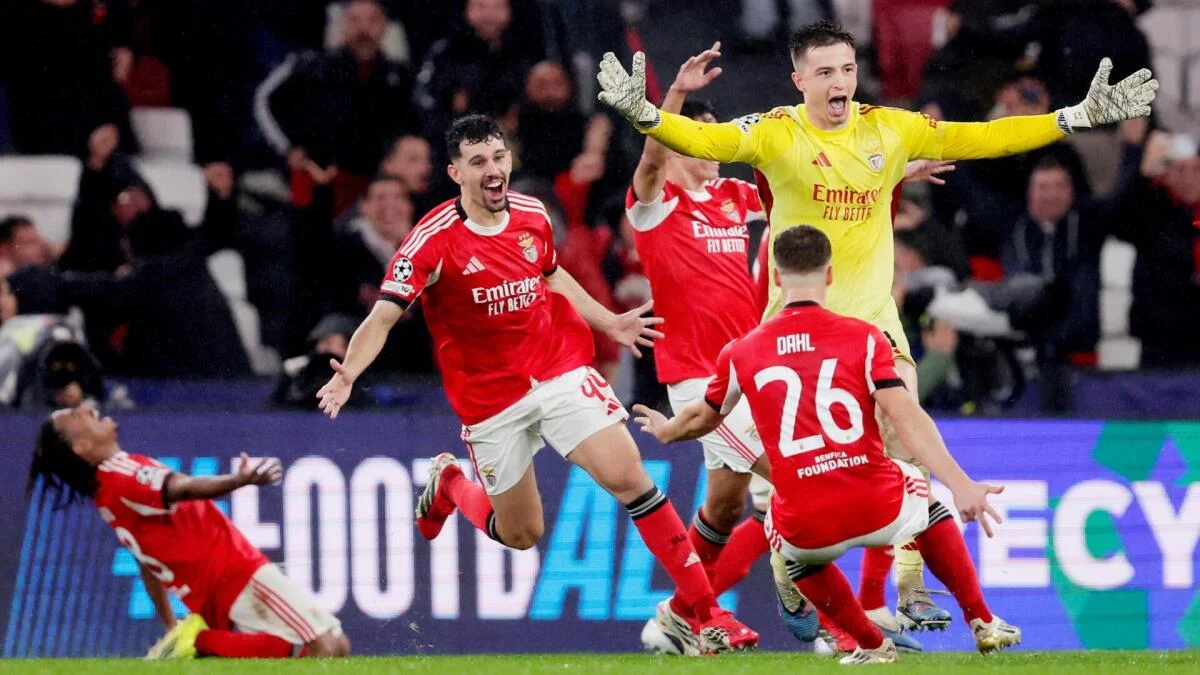
What a thrilling day it was in the Champions League, culminating in a record 61 goals as teams fiercely contended for victory, even including a goal scored by a goalkeeper. Section 8 had an array of moments for every fan. For American supporters, the heartbreak of elimination, shared with Antonio Conte’s Napoli and Roberto de Zerbi’s Marseille, left a lasting impact. This final league day saw notable winners and losers, so let’s dive into the key takeaways.
Winner: Jose Mourinho
After facing criticism from Benfica fans over the team’s poor performance, Mourinho’s squad aimed for an upset against Real Madrid to secure a spot in the finals. Initially, Benfica was struggling, having lost two league matches and needing to earn points desperately. Yet, they rallied, winning three of their last four games, with goalkeeper Anatoly Trubin scoring in stoppage time, marking his place in Champions League history. Mourinho reflected on the chaotic game, noting that they had made their final substitutions and were surprised to need another goal moments later—illustrating the unpredictability of football. It was indeed a remarkable night under the European lights.
Loser: Napoli
Despite the talent that Conte brought from Tottenham to Napoli, the team couldn’t secure the win against Chelsea necessary to advance to the finals. Napoli, though close to competing, still trails behind Inter in the Scudetto race, hampered partly by Romelu Lukaku’s absence. The possibility of slipping to sixth is concerning, and while they pursue the Coppa Italia, the overall campaign could fall short of expectations. If results don’t improve, the club may face another managerial shake-up.
Winner: League Phase Format
Following Trubin’s incredible goal, CBS Sports Golasso’s Jamie Carragher remarked on the uniqueness of the moment, highlighting the thrilling finale that kept fans on the edge of their seats. The league phase saw significant shuffling, with teams like Bodo/Glimt, Club Brugge, and Benfica making surprising advances. This format not only enhanced drama but also potentially opened doors for smaller clubs to reach the knockout rounds, boosting their financial situations. With underperforming big clubs, it poses questions about the future dynamics of European competition.
Loser: US National Team in the Champions League
The participation of eight American players in the Champions League was noteworthy, yet only four managed to reach the final stages. With the elimination of many teams unexpectedly, it’s disappointing that the national representation has diminished so quickly. This highlights the precarious nature of international players’ success in global tournaments, with future qualifications for American teams looking uncertain.
Winner: Premier League
Six clubs from the Premier League entered the Champions League, five of which reached the top positions, showcasing the league’s strength. Tottenham, having significantly improved from last season, successfully navigated the league stage after their previous troubles. Newcastle’s Anthony Gordon noted the differences in play style between the Premier League and European matches, emphasizing the intensity and physicality of English football. With England’s recent success in the Champions League, the power dynamics in European football could indeed be shifting.
Loser: Real Madrid
Real Madrid’s season hasn’t started positively, as they struggle both in the Copa del Rey and the Champions League. The team, controlled throughout their last match, faced significant challenges against Benfica, leading to missed opportunities and player absences for upcoming knockout rounds. Their current trajectory raises concerns about potential changes in management if further defeats occur.
Fan Take: This news highlights the unpredictability and excitement of the Champions League, fundamentally shaping how clubs invest and strategize for future competitions. For soccer fans, these outcomes could signal a shift in club dynamics and foster new rivalries, making the accessibility of the tournament more impactful.