

MOBILE, Ala. — The Dallas Cowboys entered the Senior Bowl still searching for a replacement for defensive coordinator Matt Eberflus and hoping to hear concrete plans from candidates to shore up a defense that conceded too many big plays and struggled in the secondary.
One of the ideas Dallas wanted explored was more frequent use of a five-man front to maximize the talent on its interior defensive line. Cowboys executives also emphasized the need to clamp down on explosive plays and improve coverage downfield.
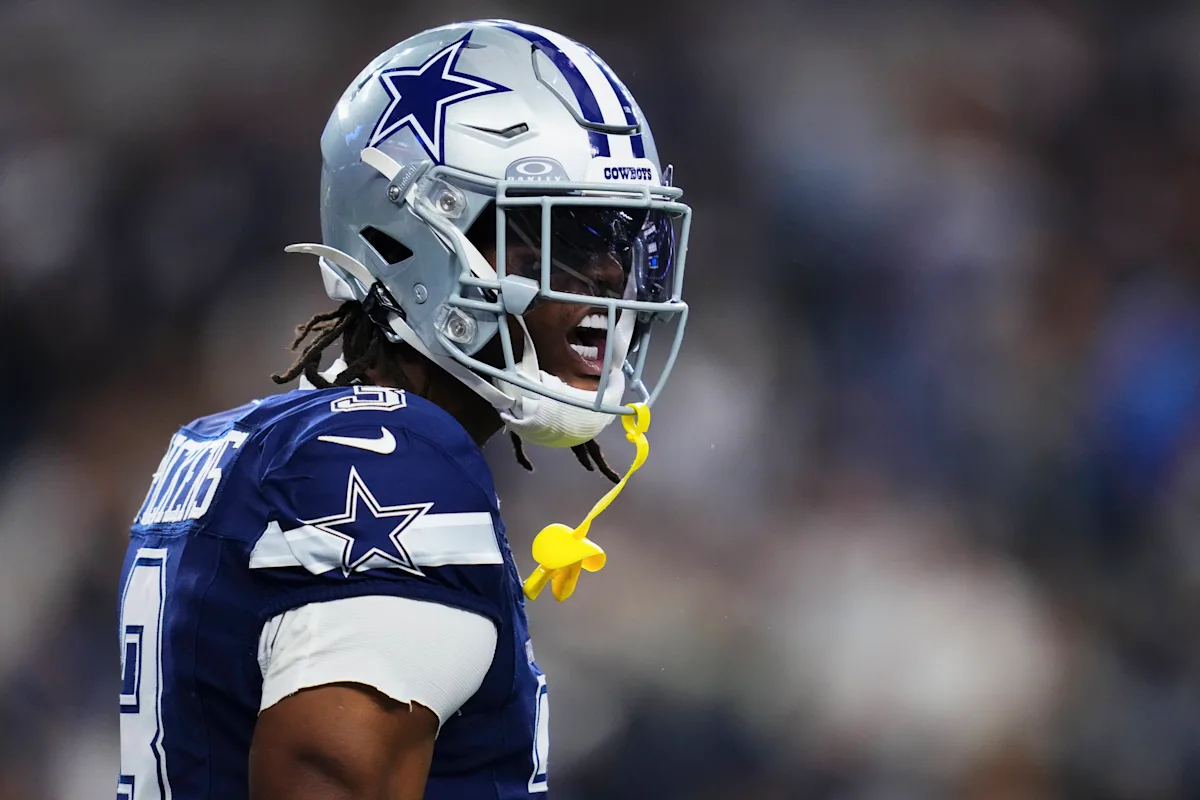
What surprised the team during interviews was how much opponents’ preparation against a particular player — receiver George Pickens — influenced defensive game planning. Cowboys executive vice president Stephen Jones said players they talked to admitted Pickens forced uncomfortable choices for defenders, often dictating how teams allocated their top corners or schemed extra help. One candidate bluntly told Dallas that Pickens “caused a lot of problems,” Jones said.
Dallas acquired Pickens from Pittsburgh in May, sending a 2026 third-round pick to the Steelers and swapping 2027 draft assets, even though he had just one year left on his contract. The gamble paid on the field: while four-time Pro Bowler CeeDee Lamb posted 1,077 yards and three touchdowns in 14 games, Pickens exploded for a career-high 1,429 yards and nine TDs across 17 games. With that duo, Dak Prescott ranked among the league leaders — most completions, second in attempts and third in passing yardage — as the Cowboys finished near the top offensively, second overall and seventh in scoring.
Off-field issues, though, complicated the evaluation. Pickens repeatedly showed up late to meetings and missed a road curfew, forcing the team to make him inactive for the opener at Las Vegas. When he did play, however, he made a clear impact, catching 9 of 11 targets for 144 yards and a touchdown while on 45 of 67 offensive snaps in that game.
Now Dallas must figure out how to value Pickens. If the Cowboys want to keep him for 2026 but aren’t ready to commit long term, the franchise tag is an option; projections peg that tag at roughly $28 million in 2026. Team evaluators attending the Senior Bowl told Yahoo Sports they expect Dallas to retain Pickens, but they disagreed on the method: some prefer a multi-year contract now to avoid the uncertainty and potential higher average annual cost later, while others want to see one more season of off-field behavior before signing him long-term. One NFC executive suggested that if Pickens’ price ends up near the top of the market, it could make trading CeeDee Lamb unlikely; that same evaluator predicted Pickens’ market value could hover around Lamb’s average annual value of about $34 million. Jones declined to get into details publicly but said he believes the team can keep Pickens while remaining open to options.
Why the Cowboys believe Christian Parker can fix the defense
After finishing Schottenheimer’s first season at 7-9-1 and ranking near the bottom in yards allowed, Dallas hired 34-year-old Christian Parker — formerly the Eagles’ defensive backs coach and passing-game coordinator — to be their defensive coordinator. Parker’s résumé includes 13 years of coaching, seven in the NFL, and mentorships under defensive minds like Vic Fangio and Vance Joseph. According to Jones, Parker blended those influences with his own approach and presented a plan the Cowboys liked, particularly for players such as Demarvion Overshawn, cornerbacks Shavon Reble Jr. and Daron Bland, and for implementing more five-man fronts.
Jones said the five-man front can isolate matchups for the Cowboys’ three sizable interior linemen and let edge players and veteran pass-rushers win more one-on-ones, enabling more “exotic” pressure packages. The team acknowledged pressure and coverage both needed improvement after last season.
Dallas’ defense was further destabilized when they traded three-time All-Pro Micah Parsons to the Green Bay Packers shortly before the season, and many defenders struggled early adapting to Eberflus’ system and zone responsibilities. The midseason acquisition of interior force Quinnen Williams helped bolster a front that already included Osa Odighizuwa and Kenny Clark, but progress was uneven.
The Cowboys head to the draft with two first-round selections at Nos. 12 and 20 and list edge rusher and cornerback among their top needs. Still, as they showed in 2020 when they selected Lamb despite positional priorities, Dallas won’t necessarily pick strictly for need if a higher-upside player is available.
Parker’s reputation as a developer of young DBs helped sell Dallas on him. In Philadelphia he worked with second-year standouts such as Cooper DeJean — who became a first-team All-Pro slot corner after moving from outside corner in college — and Kunyon Mitchell, improving their technique, footwork and awareness. Former colleagues praise Parker’s schematic understanding as well as his ability to teach and relate to players; one called him a “genius” for his conceptual grasp of the game, while others noted he balances firm principles with flexibility when working with veterans.
Fan Take: This matters because how Dallas handles Pickens’ contract and how quickly Parker can revamp the defense will shape the Cowboys’ short-term title chances and set a tone for roster construction across the league. If Pickens stays and Parker’s five-man front and developmental approach work, the Cowboys could become a blueprint for pairing heavy interior line play with elite receiving talent — a combination other teams may try to emulate.
