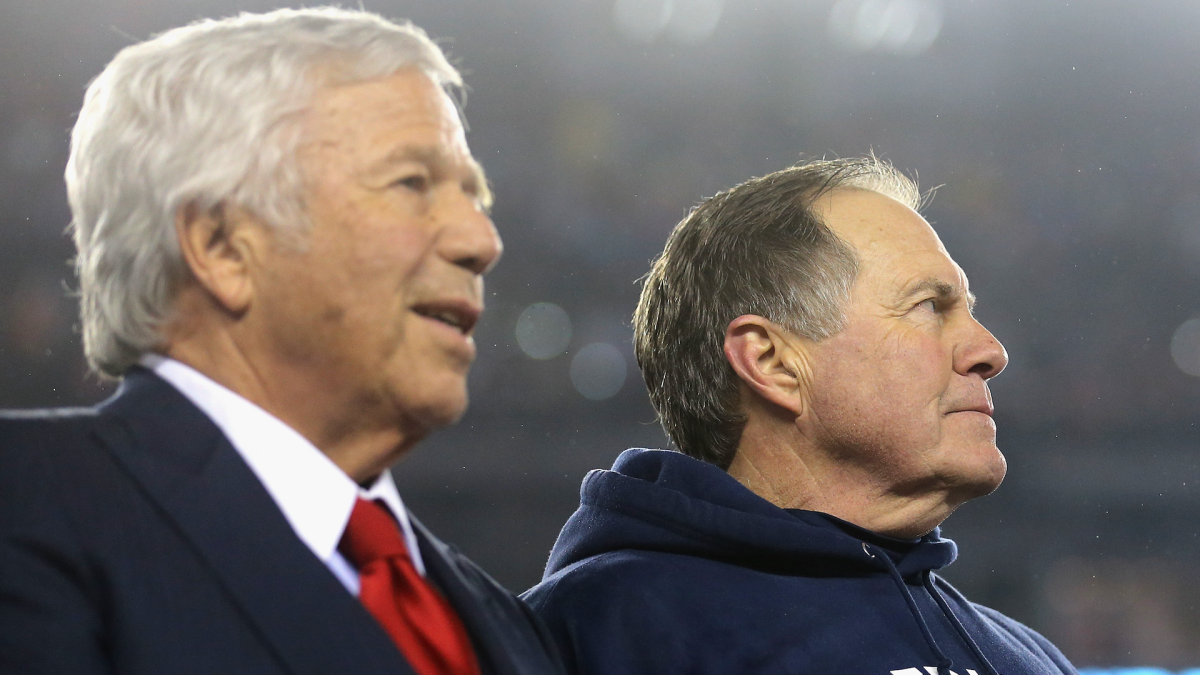
Two members of the Pro Football Hall of Fame selection committee have this week revealed ballots that did not include Bill Belichick. One of those voters, Mike Chappell — a veteran Indianapolis Colts reporter for FOX59 who has covered the team for more than 40 years — explained why he chose New England Patriots owner Robert Kraft among his three picks instead of Belichick.
Chappell said he cast a vote for Kraft because of the owner’s long record building the Patriots franchise and his influence off the field. He added that his choice wasn’t intended as a rejection of Belichick’s credentials: he acknowledged Belichick’s accomplishments and called any implication otherwise a “red flag,” but said he felt Kraft was the more appropriate pick this year.
Chappell also referenced aspects of Kraft’s work that swayed him, citing Kraft’s central role in creating the Patriots’ sustained success beginning in the mid-1990s, his part in resolving the 2011 work stoppage during a difficult personal period, and his efforts behind the scenes to help grow the NFL’s television business.
Belichick failed to reach the 40-vote threshold from the 50-member committee in his first year of eligibility. Voters could select up to three of the five finalists, and Belichick’s omission has sparked substantial debate. Chappell emphasized that leaving Belichick off his ballot this year does not mean the coach isn’t Hall of Fame-worthy; he expects Belichick will be elected in a subsequent year and said a delay would not diminish the honor.
Belichick, 73, guided the Patriots to six Super Bowl victories during the era when Tom Brady was his quarterback and has not coached in the NFL since 2023, making him eligible this year and to be reconsidered for future classes. Brady, speaking on Seattle Sports radio, expressed disbelief at Belichick not being a first-ballot selection, saying he would take Belichick as his coach in any single season if the goal were to win a Super Bowl.
Fan Take: This controversy matters because it highlights how Hall of Fame voting can reflect not just on-field success but also differing views about roles and contributions behind the scenes. For fans, the debate underscores how the league’s history is interpreted and remembered — and it may prompt the committee to more clearly balance coaching, ownership and organizational impact in future selections.