
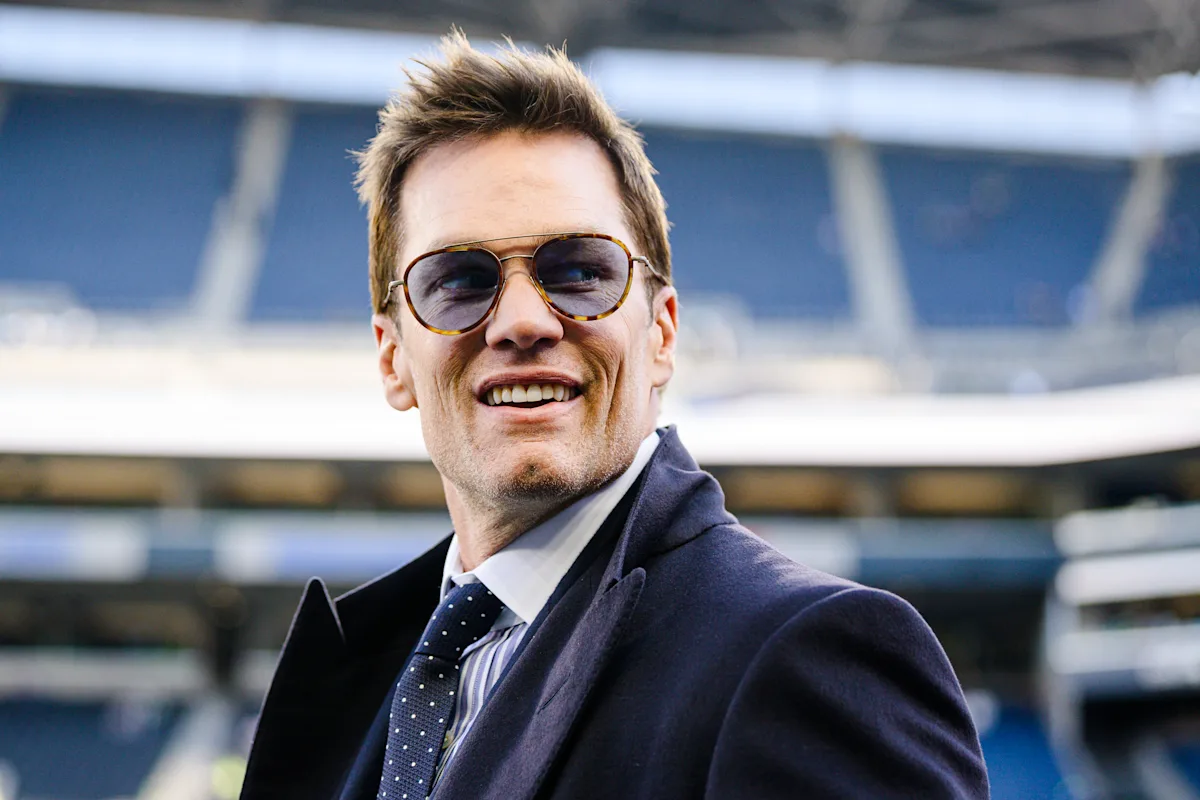
Tom Brady spent two decades synonymous with the New England Patriots, building a legacy there that included six Super Bowl titles and, many expect, eventual Hall of Fame recognition. So it surprised some when Brady said Monday he won’t be cheering for New England in Super Bowl 60 — he wants to stay neutral and “root for the people” rather than any specific team. “I don’t bring my dog to games,” the 48-year-old quipped.
Speaking on the Let’s Go! Podcast, Brady reflected on different chapters in his life and career, noting his long run with the Patriots and three strong seasons in Tampa Bay. In his remarks he described those memories as permanent and expressed gratitude to everyone involved in those successes, while also emphasizing that he’s at a new stage now. He said he prefers to support individuals he knows and respects and to enjoy the game as a fan, hoping simply that the best team wins.
When pressed, Brady was explicit: “I don’t have a dog in this game. May the best team win.” He also praised the Patriots’ current era under coach Mike Vrabel and acknowledged the hard work that got the franchise back into contention after several down years.
Brady’s comments underline his evolution into a neutral observer of the sport — a role he’s embraced as he moves further from his playing days. He could have publicly sided with New England without impacting any broadcast arrangements, but he chose to maintain impartiality. That decision also allows him to recognize how much the Patriots organization has changed since he left, with new leadership and roster turnover altering the team’s identity.
There may be other factors shaping his public stance: reports linking the Raiders to coach Clint Kubiak suggest Brady might be avoiding critique of someone tied to his new project. For now, like millions of fans, Brady plans to watch the Super Bowl on Sunday, even if his loyalties are different than they were during his playing career.
Fan Take: Brady’s neutrality matters because it shows how superstar players can transition from team icon to league-wide figure, altering how fans and media view their influence. For the NFL, that shift helps frame legends as impartial ambassadors of the game rather than perpetual representatives of a single franchise.