

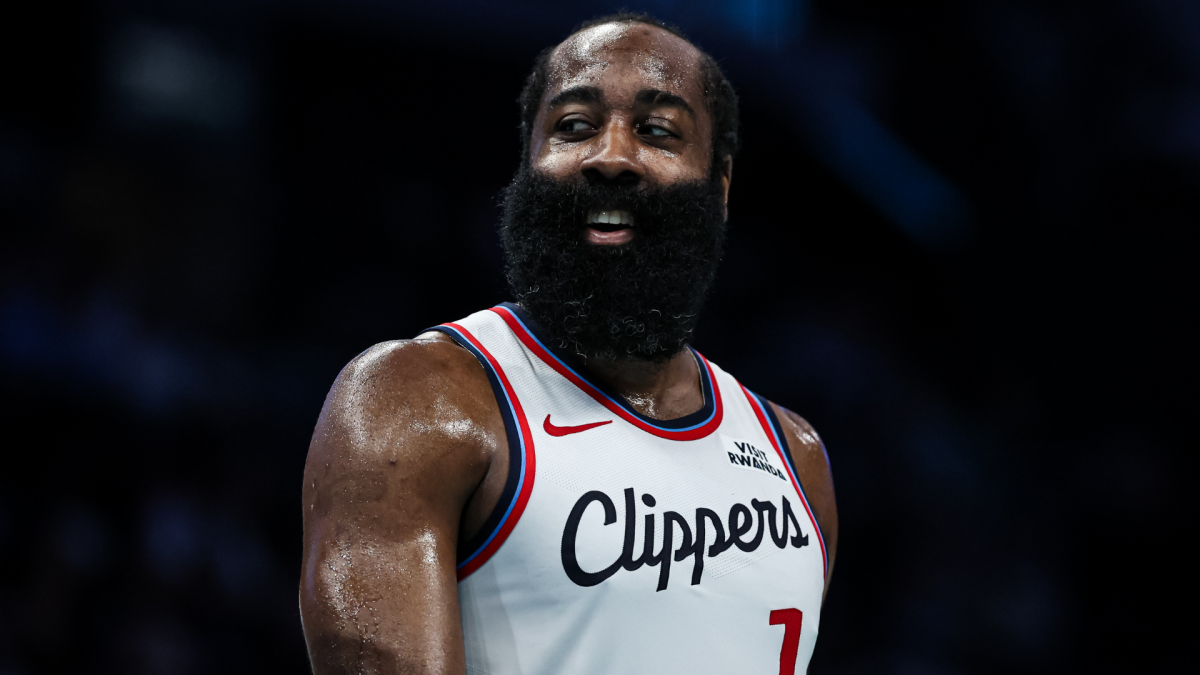
James Harden was traded to the Cleveland Cavaliers in exchange for Darius Garland on Tuesday night, sparking immediate headlines that underscore a recurring theme: Harden often moves on when challenges arise. This latest move to Cleveland comes after unsuccessful stints with the Clippers, Philadelphia, and Brooklyn, further fueling the narrative of Harden’s early playoff exits and team changes marking his post-Houston career.
However, it’s important to remember Harden’s significant tenure in Houston, where he played for eight years, consistently competing against one of the NBA’s most dominant dynasties, the Golden State Warriors. During this period, Harden didn’t chase easy victories or switch teams seeking quick success—instead, he opted to re-sign year after year, battling one of the toughest opponents in a challenging conference, driven by the belief that he could claim a championship.
He nearly achieved that goal—if not for Chris Paul’s hamstring injury in 2018, Harden might have secured an NBA title, which would have cast his later career moves in a very different light. Unfortunately, the narrative of his second half in the league, characterized by moves and missed opportunities, often overshadows his remarkable achievements as one of the game’s greatest scorers.
To summarize Harden’s career, there are three key points: he is undeniably one of basketball’s all-time great scorers, a master at drawing fouls, but also a player labeled as a serial team hopper who has yet to win a championship. Despite Harden’s polarizing reputation—due to his sometimes frustrating style, defensive lapses, and excessive fouling tactics—his story is more nuanced than it may appear at first glance.
Harden’s departures from recent teams were complicated situations involving more than just his decisions. His time in Los Angeles and Brooklyn was marked by conflicts and challenges, from mismatched teammate chemistry with Kyrie Irving in Brooklyn to financial considerations in Los Angeles. Ultimately, Harden’s moves seem to be more about securing contract extensions and financial security than purely chasing a ring, knowing many of these teams weren’t willing to commit long-term.
Critics might scoff at Harden’s pursuit of lucrative contracts given his already massive earnings—reportedly over $375 million—but this reality aligns with the broader trend in professional sports, where players seek to maximize their earnings before retirement. Harden’s move to Cleveland isn’t about forcing a trade but about a situation where both teams found mutual benefit; the Clippers acquired a younger, healthier All-Star in Garland, while Cleveland gained an impactful veteran for a potential playoff push.
Why Cleveland? The Cavaliers are focusing on the short term and aren’t necessarily building their future around Harden or promising him a lengthy deal. With Garland injured and questionable for the postseason, Cleveland saw a chance to bolster their roster immediately. This trade injects energy into both franchises—Cleveland aims to contend in the Eastern Conference this season, and the Clippers get younger and healthier assets, proving this was a strategic decision from both sides, not just Harden’s demand.
Fan Take:
This trade is a pivotal moment for basketball fans because it highlights the ever-changing landscape of the NBA and how veterans like Harden navigate the business side of the sport late in their careers. It emphasizes the balance between chasing championships and financial security, reminding us that player movement shapes team dynamics and playoff prospects in ways that keep the league unpredictable and exciting.