The January 2026 transfer window in Europe’s top football leagues didn’t bring the dramatic flair that fans hoped for. Instead, it unfolded in a more subdued manner, showcasing the economic realities of modern football while highlighting strategic shifts in the Premier League, La Liga, Bundesliga, Serie A, and Ligue 1.
Overall, spending became more cautious, competition for key assets intensified, and notable disparities between the richest clubs and others became evident. Despite this restraint, the window produced significant narratives that could influence the second half of the season across Europe.
Premier League: Manchester City Sets the Pace
The Premier League exemplified the contradictions of the January transfer market. Spending decreased compared to January last year, a contrast to the over £3 billion splurged in the summer of 2025. Nonetheless, English clubs spent a remarkable £454.5 million, surpassing the combined expenditure of the other major leagues.
As always, Manchester City led the charge.
City Makes Big Moves
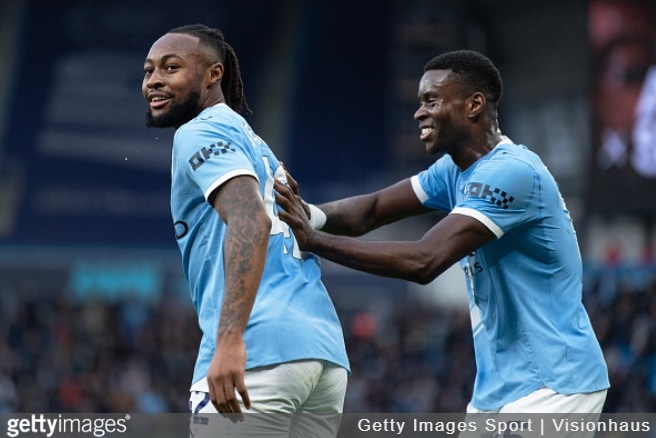
Josep Guardiola’s squad made significant signings by acquiring Antoine Semenyo from Bournemouth and Marc Guehi from Crystal Palace for £84 million total. These additions boost City in crucial areas ahead of the title race. Semenyo was a standout performer early in the season, drawing interest from various top clubs, but City’s financial prowess proved decisive. Meanwhile, Guehi ranked among the most sought-after defenders in the league, illustrating City’s unparalleled ability to reshape their roster mid-season.
Liverpool and Chelsea Focus on the Future
Reports suggest Liverpool is striving for a £60 million deal for Rennes defender Jeremy Jacquet, though he won’t join until summer. Chelsea also targeted Jacquet but opted for a long-term strategy rather than immediate reinforcement.
Crystal Palace’s Surprising Spending Spree
Crystal Palace had a remarkable winter, breaking their transfer record twice by signing Brennan Johnson from Tottenham for £35 million and Jorgen Strand Larsen from Wolves for £48 million, marking the biggest deal on Deadline Day.
A Low-Key Approach for Others
Clubs like Aston Villa, Tottenham, West Ham, and Everton sought reinforcements, especially given injury concerns, but their activity was limited compared to historically dominant teams.
La Liga: Low Spending with Youth Investments
Spain’s La Liga observed a predictable trend of low spending and selective reinforcements. The league typically closes later than others, at 10:59 PM Japan time, yet even with this added time, activity remained minimal.
Key themes emerged, such as a continued focus on developing youth talent, with several South American players being brought in for the future rather than established stars. Smaller clubs leaned heavily on loan deals and free transfers to mitigate financial risks, and there were no significant departures from marquee players, a modest success in a financially strained climate.
Bundesliga: Limited Activity with Domestic Focus
While the Premier League exhibited financial strength, the Bundesliga showcased a stark contrast. With just £74.7 million spent in January, the lowest among the top five leagues, and a mere £14.1 million in transfer income, this window was especially quiet. The emphasis was primarily on internal league movements and nurturing local talent.
Serie A: Prioritizing Experience Over Excitement
Italy’s Serie A operated with more urgency compared to Spain or Germany but still avoided major expenditures. Clubs prioritized experienced players, with several returning to Italy after stints abroad.
Notably, Tammy Abraham made an early return to Aston Villa after his Serie A experience, while the focus remained on bolstering defense and midfield, reflecting the league’s tactical priorities.
Ligue 1: The Quietest League
Among Europe’s top leagues, Ligue 1 was the least active in January, showing very little major spending and limited movement among major clubs. This trend underscores the ongoing financial caution that has plagued French football post-pandemic.
The most notable transaction involved Lyon’s loan deal for Real Madrid’s Endrick, a high-profile move but only temporary. Financial instability has forced clubs to rely more on youth development and internal resources.
What This Window Reveals
The January 2026 transfer window may not have featured any headline-grabbing deals, but it illuminated the current landscape of football.
Premier League’s Financial Edge: Even in a quieter year, Premier League clubs amassed significantly more revenue than others, with City’s signings of Semenyo and Guehi exemplifying this ongoing structural advantage.
Continental Focus on Stability: Other leagues are favoring low-risk contracts due to economic pressures and evolving UEFA financial regulations.
Youth Investment: La Liga’s investment in future talents and Ligue 1’s reliance on academy players indicate a shift towards long-term strategies.
Evolving Transfer Landscape: January has transformed into a period for strategic adjustments rather than significant shake-ups, focusing on immediate needs rather than groundbreaking moves.
Bottom Line: Quiet Windows Have Notable Impact
Although the January 2026 transfer window lacked blockbuster deals, it has implied a realignment in football. Some clubs made significant strides, while others opted for restraint, setting the stage for competition in the upcoming months. These strategic moves could very well determine triumphs in the title race come May.
Fan Take
This transfer window reflects the broader realities of football economics, signaling a shift toward strategic planning over impulsive spending. For fans, understanding these trends is essential as they shape not just the immediate landscape, but the future of their beloved sport.