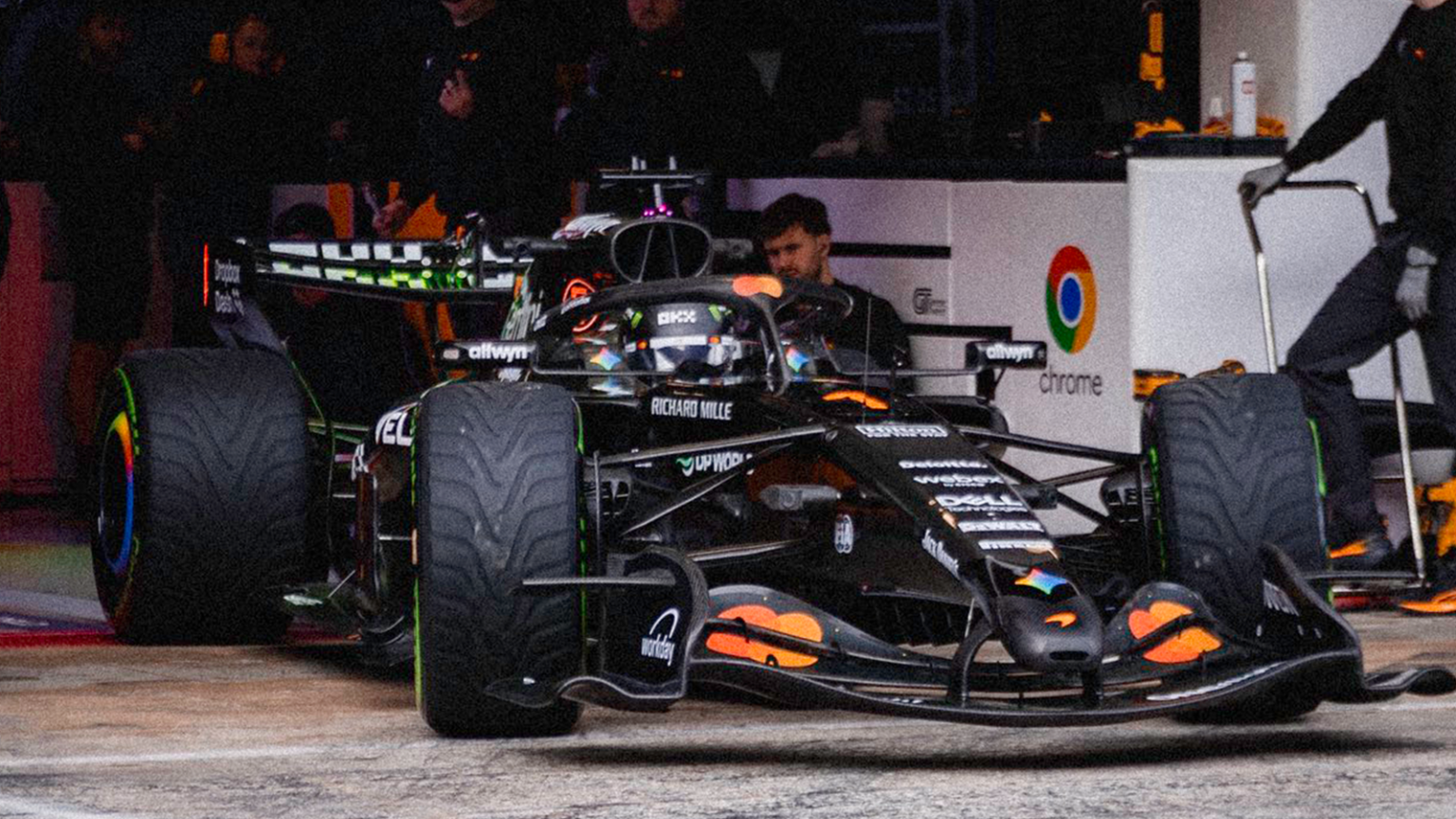
McLaren F1 driver Oscar Piastri described the upcoming 2026 active aerodynamic system as “very similar” to the current DRS mechanism, but emphasized that its purpose is quite different. The 2026 season will introduce groundbreaking regulations, transitioning from ground-effect vehicles to smaller, lighter cars powered by hybrid engines featuring an equal split between internal combustion and electric power.
This new era will also see active aerodynamics applied to both front and rear wings, marking the end of DRS, which debuted in 2011 as an overtaking tool. The updated rules permit wing flaps to open in designated zones throughout each lap—more frequently than current DRS zones—to reduce drag. These wings operate manually but automatically close when the driver brakes, similar to DRS, and shut during cornering to optimize downforce.
At a recent event with McLaren drivers, Piastri explained that when the active aero is open, the feeling inside the cockpit resembles using DRS, but with a noticeably “lazier” balance since neither axle offers strong grip. He noted that while the aerodynamic balance shifts more towards the front, the overall sensation is akin to DRS but perhaps even more potent. Despite this similarity, the system’s goals differ significantly from the past.
In addition to active aero, Formula 1 will debut an overtake button in 2026, intended to replace DRS for overtaking maneuvers when a driver is within one second of the car ahead. Piastri does not expect active aero to revolutionize racing but admits that it may initially be challenging for broadcasters and fans to understand the new systems, especially since the changes will be less visually obvious.
He further explained that while active aero zones are more frequent compared to traditional DRS zones—such as at Barcelona where only two DRS zones exist—their function is not primarily to aid overtaking anymore. Instead, their main role is to decrease drag and relieve some constraints on the hybrid power units.
“The main challenge will be explaining these differences on TV, as the changes aren’t as visually apparent,” Piastri added. “But it’s an evolving sport, and we need to adapt.”
Fan Take:
This update signals a fascinating shift in F1 technology, blending aerodynamic innovation with hybrid powertrains, which could redefine racing strategies and car performance. For fans, understanding these technical changes will be key to appreciating the sport’s next chapter and its potential to deliver even more thrilling on-track battles.