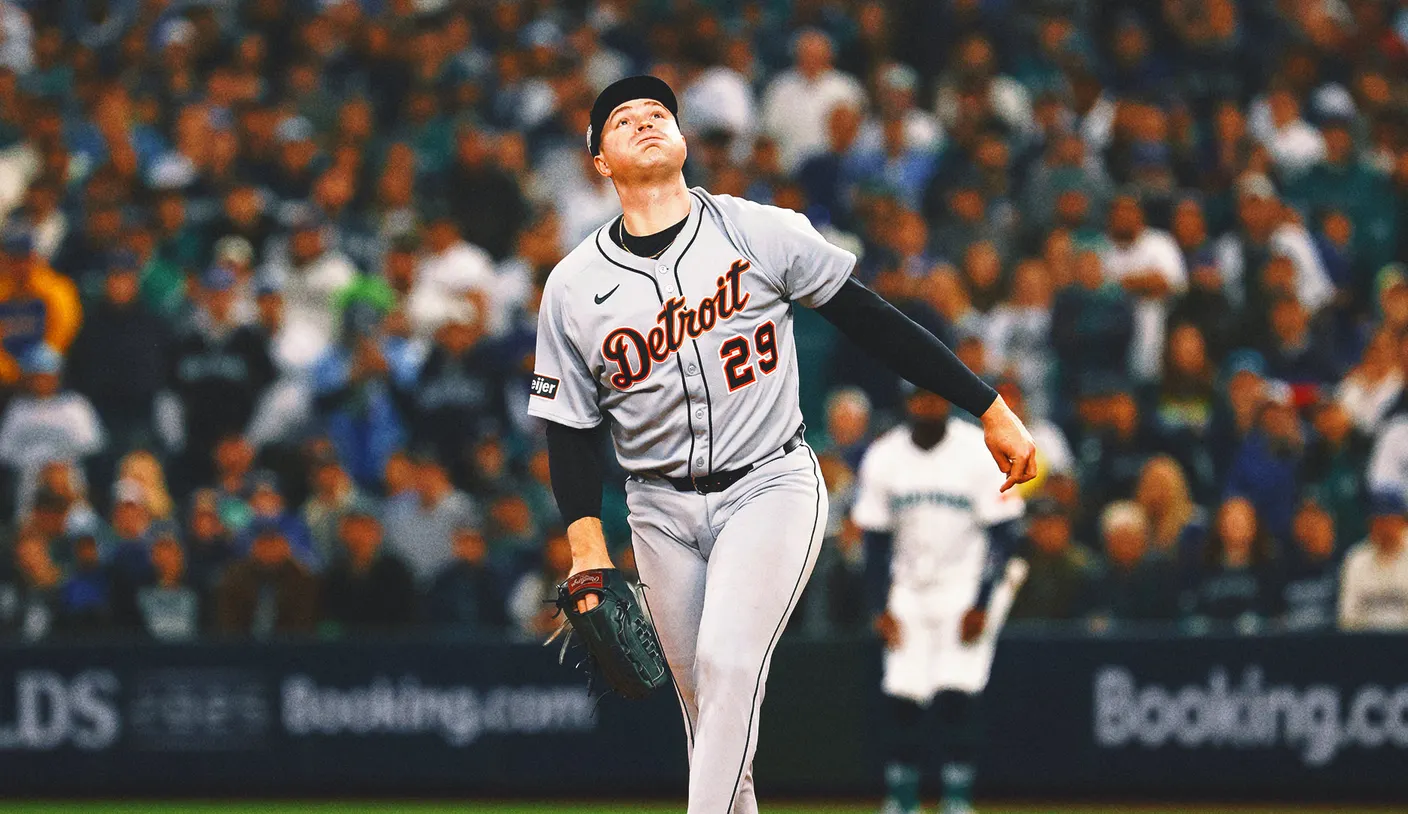
Tariq Skubal has made history in MLB arbitration. On Wednesday, previous records for annual salary in arbitration stood at $31 million overall, $19.75 million for pitchers, and $19.9 million as the highest amount awarded by an arbitration panel. Skubal smashed all these marks by securing a $32 million salary for 2026 following a groundbreaking arbitration decision.
In Major League Baseball, players with three to six years of service time become eligible for salary arbitration. If a player and team cannot agree on a contract by a set deadline, both sides submit their proposed salary figures for the upcoming season, and an independent three-person panel selects one of the two numbers after a hearing.
The Detroit Tigers had planned to pay the 29-year-old Skubal—two-time AL Cy Young Award winner—$19 million for his final year under team control. However, Skubal, who serves on MLB’s Executive Subcommittee involved in collective bargaining, filed for a staggering $32 million, the highest ever requested for an arbitration-eligible pitcher or player.
This new figure tops Juan Soto’s 2024 record for pitchers by $1 million and surpasses David Price’s 2015 arbitration deal with the Tigers worth $19.75 million. While salaries for position players have surged over the past decade, pitcher arbitration pay had remained relatively stagnant—until now.
Before this ruling, the largest year-over-year arbitration raise for a pitcher was Jacob deGrom’s $9.6 million increase with the Mets in 2019 after his first Cy Young season. Skubal’s raise more than doubled that, jumping from $10.15 million in 2025 to $32 million in 2026.
Skubal’s case was strengthened by his status in the final year of arbitration eligibility, allowing him to compare his salary to star pitchers making significantly more, such as Zack Wheeler, deGrom, and Gerrit Cole. His impressive recent statistics, leading arbitration-eligible starters in ERA and strikeouts, made a compelling argument for his value. The Tigers’ lower offer helped Skubal win by proving his worth was closer to $32 million rather than $19 million.
This landmark victory sets a new benchmark for star players entering their last year of arbitration, potentially influencing future negotiations, contract extensions, and team strategies, especially as CBA talks may alter the system’s future.
Regarding what lies ahead, Skubal’s arbitration win contrasts with the challenging experience faced by Corbin Burnes in 2023, highlighting a rare positive outcome from the hearing process. While the Tigers traded Burnes, Skubal might follow a similar path or remain to surpass free agent pitching market records, like Yoshinobu Yamamoto’s $325 million deal.
The Tigers face decisions on whether to retain Skubal or trade him, balancing their competitiveness, salary obligations, and return value, especially given the less favorable impact of his high salary on potential suitors. Meanwhile, the Tigers recently signed top free-agent pitcher Framber Valdez to a lucrative three-year, $115 million contract, bolstering their rotation and possibly preparing for various roster scenarios involving Skubal.
After a quiet offseason, Detroit energized its fan base with this major signing, aiming to strengthen a pitching staff that already featured Skubal’s strong 2.21 ERA performance. The team now approaches the luxury tax threshold but seems willing to invest in their competitive window despite uncertainties with local TV deals and divisional spending.
Meanwhile, the lineup remains largely the same, with hopes that prospects like Kevin McGonigle and Max Clark may provide an offensive boost in 2026 if the Tigers do not add free-agent position players.
Fan Take: Skubal’s unprecedented arbitration win not only raises the bar for elite pitchers but signals a pivotal shift in how player value is recognized before free agency. Baseball fans should watch closely—this ruling could reshape contract negotiations and empower more players to leverage arbitration, potentially changing the financial landscape of the sport.