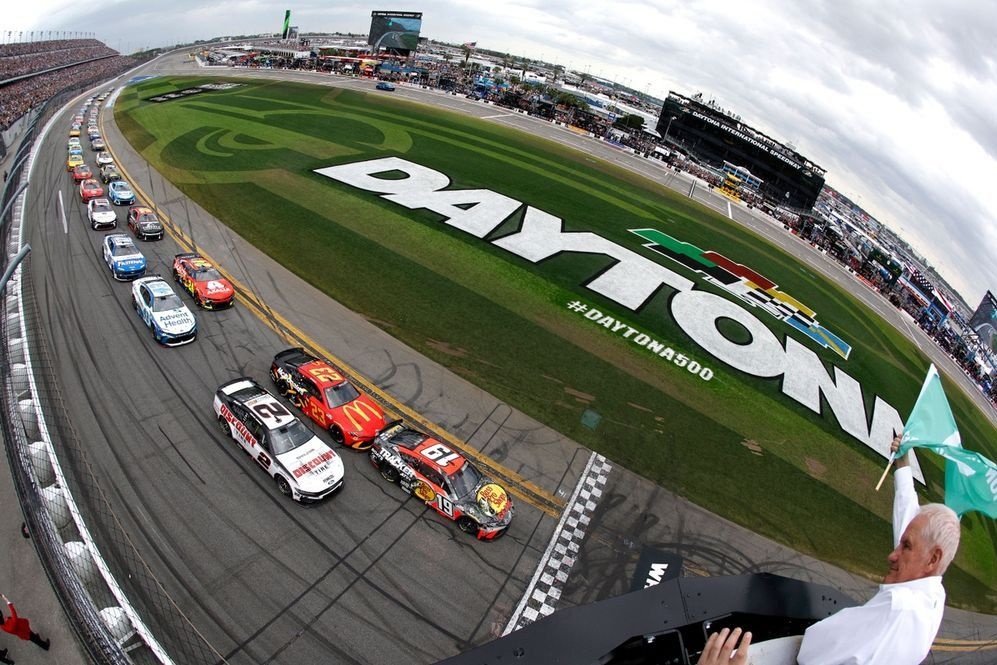
When the Daytona 500 kicks off next Sunday, all drivers will immediately enter fuel-saving mode, a tactic that often frustrates many fans. Drivers throttle back to less than half speed for much of the race to conserve fuel, reducing the number of pit stops and allowing them to maintain better track position during stage breaks and the race’s conclusion.
This strategy is especially crucial because the Competition Package of these cars creates tight, winding racing conditions, where overtaking at full speed is vital. By saving fuel, teams aim to exit the pits ahead of competitors to secure advantageous positions on the track. Despite frequent calls from fans to change aspects such as enlarging fuel cells or modifying stage breaks, no adjustments were made during the recent offseason, though NASCAR competition senior VP Elton Sawyer acknowledges the ongoing discussion.
Sawyer shared during a NASCAR media briefing that while they monitor the situation closely, the reality is that whatever modifications occur, the necessity of pitting inherently encourages fuel conservation to minimize pit stop time. He emphasized that the intent is not to dismiss fans’ concerns but to highlight the complexities involved in “fixing” the issue, noting that changes like the new Chase for the Championship format have been prioritized based on fan feedback.
He also pointed out that in other major motorsport events like the Indy 500, fuel-saving from the start is standard, posing the question of whether NASCAR truly needs to alter this dynamic or what exactly they aim to improve. Ultimately, Sawyer acknowledges the balance NASCAR must strike between maintaining competitive racing and managing the practical limitations imposed by rules and strategy.
Fan Take: This topic hits a nerve with NASCAR enthusiasts because the fuel-saving tactics can lead to less aggressive racing, which affects the entertainment value of high-stakes events like the Daytona 500. How NASCAR addresses this challenge could significantly influence the sport’s excitement and fan engagement, making it a critical discussion for the future of NASCAR racing.