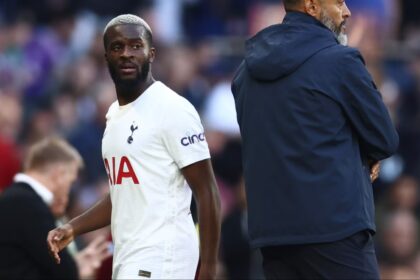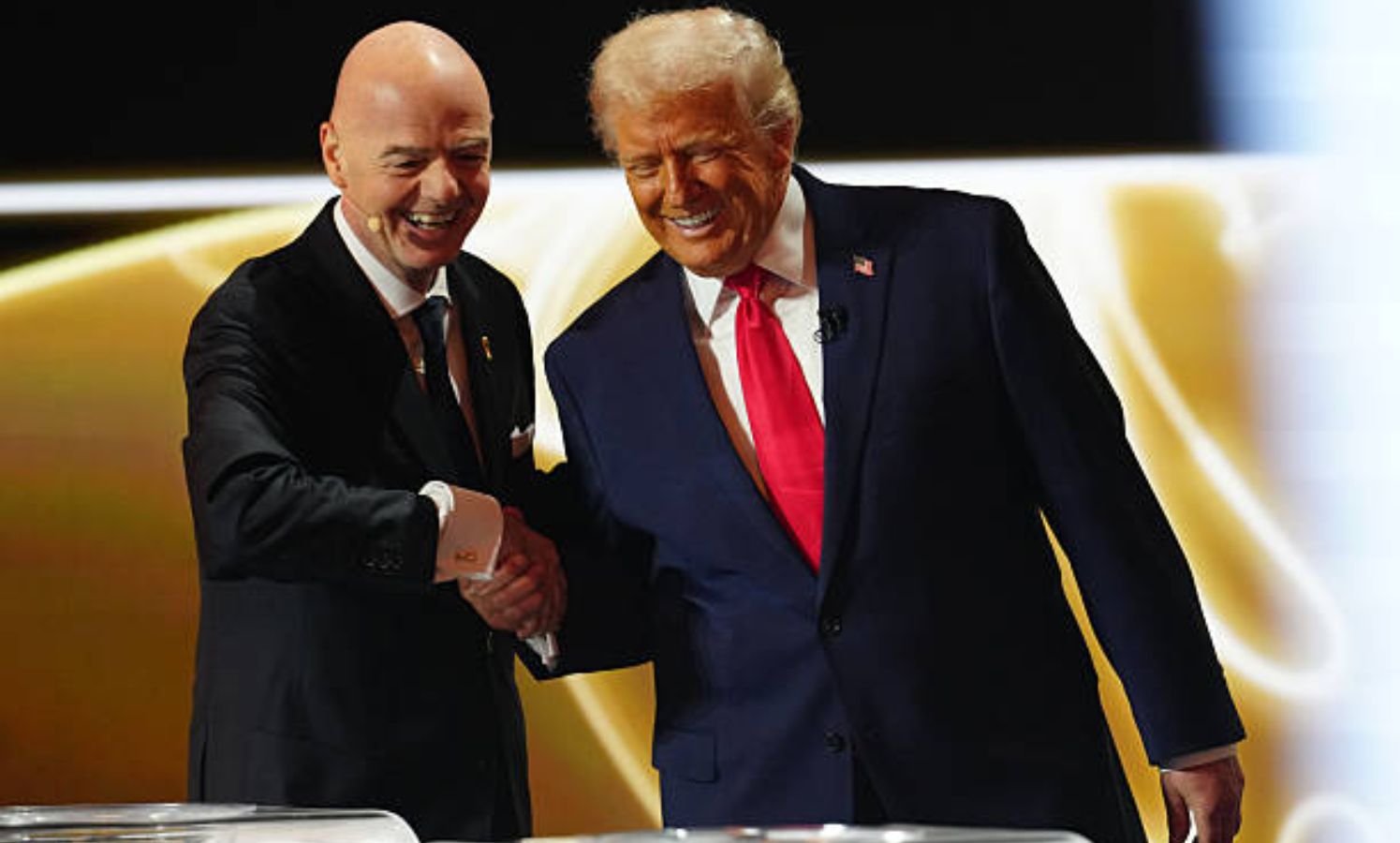
In another surprising and highly controversial decision under President Gianni Infantino, FIFA reversed the one-match red card suspension of USMNT forward Folarin Balogun, allowing him to play in the high-stakes game against Belgium.
Although the red card itself was technically valid, the disciplinary committee chose to impose a suspended sentence under Article 27 of the FIFA Disciplinary Law.
The sudden reversal caught the soccer world by surprise, especially after Balogun himself spoke to reporters in Seattle on Monday and solemnly stated, “We have to accept…”
FIFA officials had previously maintained that U.S. Soccer had no grounds for appeal, and as a result, no formal appeal was filed.
Decision made after receiving a direct phone call from the White House.
According to soccer Journalist Ben Jacobsa dramatic turnaround followed an unusual direct intervention from Washington.
The White House reportedly called Infantino directly and asked for a formal review of the reservation. FIFA publicly responded, referring all comments to the findings of an independent disciplinary commission.
Moreover, governing body officials vehemently deny that political pressure influenced the outcome, insisting that the independent commission operated strictly within Article 27.
But the agenda of the political powers that have successfully lobbied FIFA’s president has already sparked a fierce global debate over the organization’s neutrality.
Previously, Ronaldo’s three-match ban was also suspended by FIFA.
This is not the first time FIFA has invoked Article 27 to protect a global icon from missing an important tournament.
The decision immediately draws parallels to Cristiano Ronaldo’s similar three-match suspension by FIFA officials.
The intervention sparked widespread allegations of favoritism and established a dangerous precedent that many fear will prioritize star power and broadcast ratings over sporting integrity and standard disciplinary procedures.
The most controversial World Cup ever
Balogun’s verdict adds to the list of controversial decisions that have defined this tournament.
Ronaldo’s suspension: The initial decision to freeze a superstar’s three-game suspension for a serious violation.
bad host: Discrepancies between penalty calls and offside checks that greatly favor the higher-ranked country.
Terrible treatment of Iranian team: The tournament has been marred by hostile geopolitical tensions, including the treatment of Iranian players, intense interrogation at the airport, and harassment by U.S. security and border police upon arrival.
The Iranian team was denied permission to stay in the United States, so they camped in Mexico and only traveled to the United States on the day of the game, leaving immediately after.
Iran’s final elimination was also controversial, as Austria and Algeria drew 3-3, allowing both countries to advance to the finals at Iran’s expense. In the final stages of the match, some supporters on social media began to criticize match-fixing.
And Riyad Mahrez’s post-match entrance fueled online speculation, particularly among furious Iranian supporters who flooded social media to demand an official FIFA investigation.