Could UFC 332 be considered the most lackluster numbered event in the history of the promotion? Why do we keep revisiting rematches at heavyweight and lightweight instead of progressing to fresh matchups?
Moreover, does Michael “Venom” Page’s departure from the UFC confirm that winning alone doesn’t secure a place in the organization? These topics and more are explored in this week’s mailbag. If you want to send in a question, reach out via @BenFowlkesMMA on X or @Ben_Fowlkes on Threads.
Fan question: “How can I show my disappointment with UFC 332 as a fan, without just not watching, since Saturday cards are the highlight of my week?”
Unfortunately, they’ve locked you in. The UFC knows that many viewers watch their Saturday events as part of their routine, especially since it doesn’t cost extra beyond an existing subscription. UFC 332 is widely considered by fans as one of the weakest numbered events to date. Unlike other cards sometimes weakened by injuries, this one never seemed compelling from the start, with minimal effort put into building an exciting lineup.
The sole title fight on the card hardly counts since the true women’s flyweight champion isn’t present, and there’s only one other fight featuring ranked fighters. While some names—like King Green and Roberto Soldić’s UFC debut—bring intrigue, the overall card lacks the premium appeal one expects from a numbered event.
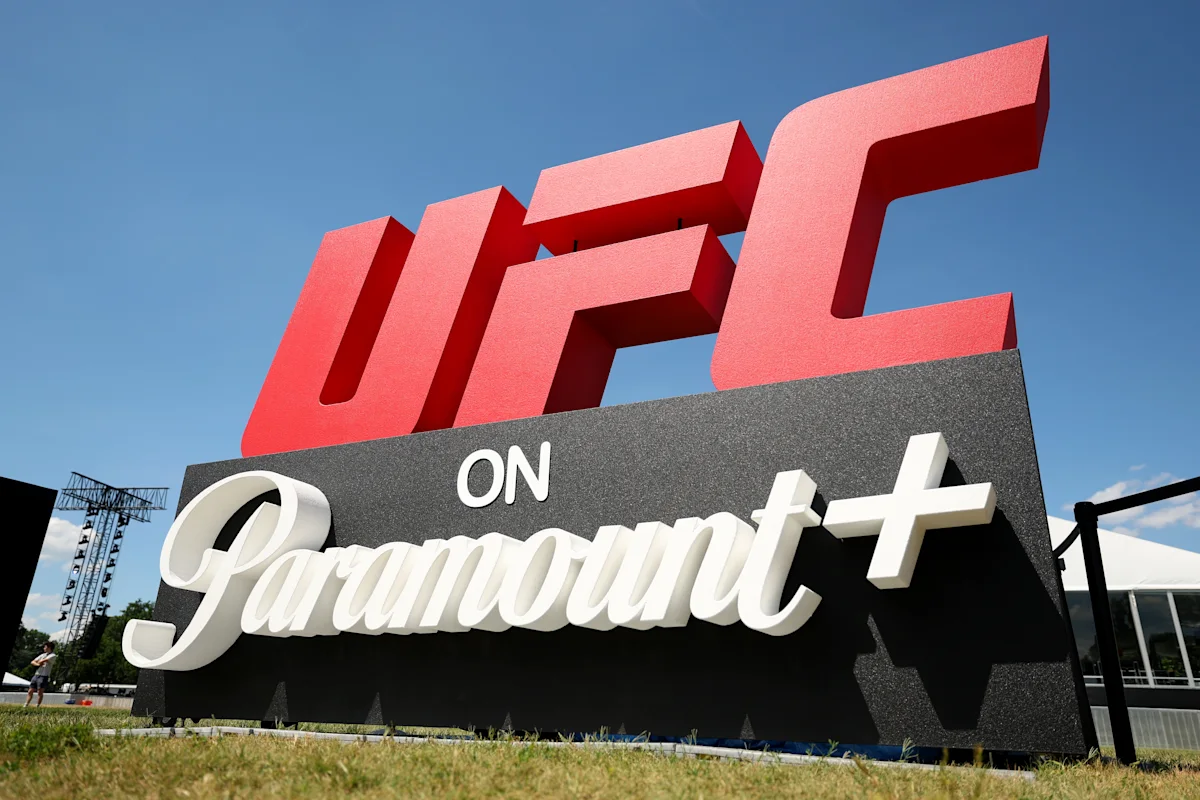
That said, with UFC pay-per-views now included in the monthly Paramount+ subscription fee, all events effectively cost the same. If this card were branded as a Fight Night in Salt Lake City rather than a numbered show, it might not feel as disappointing. The frustration mainly comes from expectations tied to the numbered event label, a holdover from a different era with different business models.
The real losers are fans who spent heavy money on tickets. When the UFC announces a numbered event in your city, you expect big stars and title bouts. Paying hundreds or thousands for tickets, then seeing a less thrilling card, is a tough pill to swallow and highlights the shift in how UFC events are packaged and sold.
Fan question: “Why is there so much talk about rematches like Gane vs. Pereira or Gaethje vs. Topuria?”
Perhaps it’s a lack of creativity. At heavyweight, Alex Pereira appears to be the main driver pushing for a rematch, though interest in that fight isn’t particularly high right now. Other matchups, like Pereira vs. Josh Hokit, might better serve to rebuild momentum. Ciryl Gane, meanwhile, should focus on finishing his bout with Tom Aspinall once his eye recovers.
Regarding Gaethje and Topuria, it could make sense if fresh contenders were scarce, but that’s not the case. Fighters like Arman Tsarukyan have earned their shot multiple times, and Topuria has unresolved tension with Paddy Pimblett, which would be a meaningful fight for both. When better options exist, sticking with reruns just feels lazy; it’s time to try something new.
Fan question: “Roberto Soldić was hyped after his KSW career but has only fought three times since then, going 1-1 with 1 no contest. Is there still reason to be excited now that he’s signed with UFC?”
What’s exciting is the opportunity to see how Soldić measures up on the UFC’s biggest stage. That comparison not only reveals his skills but also the competitiveness of other MMA promotions. However, it’s common for fighters to underperform their debut fights due to “Octagon jitters,” so we’ll likely need two or three fights to truly assess his UFC potential.
Fan question: “Is winning enough, or was Michael ‘Venom’ Page expected to do more?”
Unfortunately, the consensus is that winning alone no longer guarantees a spot in the UFC. Even exceptional talents, like Demetrious Johnson once considered the best flyweight globally, were released. The UFC is an entertainment business first, and merely competing well isn’t sufficient—they want fighters who draw crowds with charisma and excitement.
Page’s tenure in Bellator thrived on his highlight-reel style but, after a string of less thrilling fights, the UFC seemed willing to part ways as he neared 40. With the luxury of releasing solid fighters today, the promotion expects more than just winning.
Fan question: “Where should MVP fight next—what promotion, location, timing, and opponent?”
He timing of his free agency is favorable. The imminent PFL-MVP merger and Scott Coker’s return to MMA promotion both present opportunities for Page. His next fights will depend on the promotional goals; he could be matched against aggressive strikers to highlight his counter-punching, or tough wrestlers if the intent is to build up others.
Fan question: “Nico Price is coming out of retirement to face Leon Shahbazyan, apparently motivated by being passed over for an interview after losing to Chiesa. Is this a poor reason for returning?”
With MMA retirements, a year-long hiatus is generally a good barometer to determine permanence. Since Price retired in March and is reportedly returning by October, it’s a quick reversal. Ideally, a return should be driven by passion or readiness, not just to secure a post-fight interview. Otherwise, it undermines the significance of a retirement announcement.
Fan Take: UFC 332 highlights how modern business models and changing fan expectations are reshaping UFC events, emphasizing the need for promotions to balance entertainment with competitive integrity. Michael Page’s UFC departure and the proliferation of rematches reflect the tension between marketability and fresh matchups—a dynamic that will shape the sport’s evolution in the coming years.
Source: sports.yahoo.com