

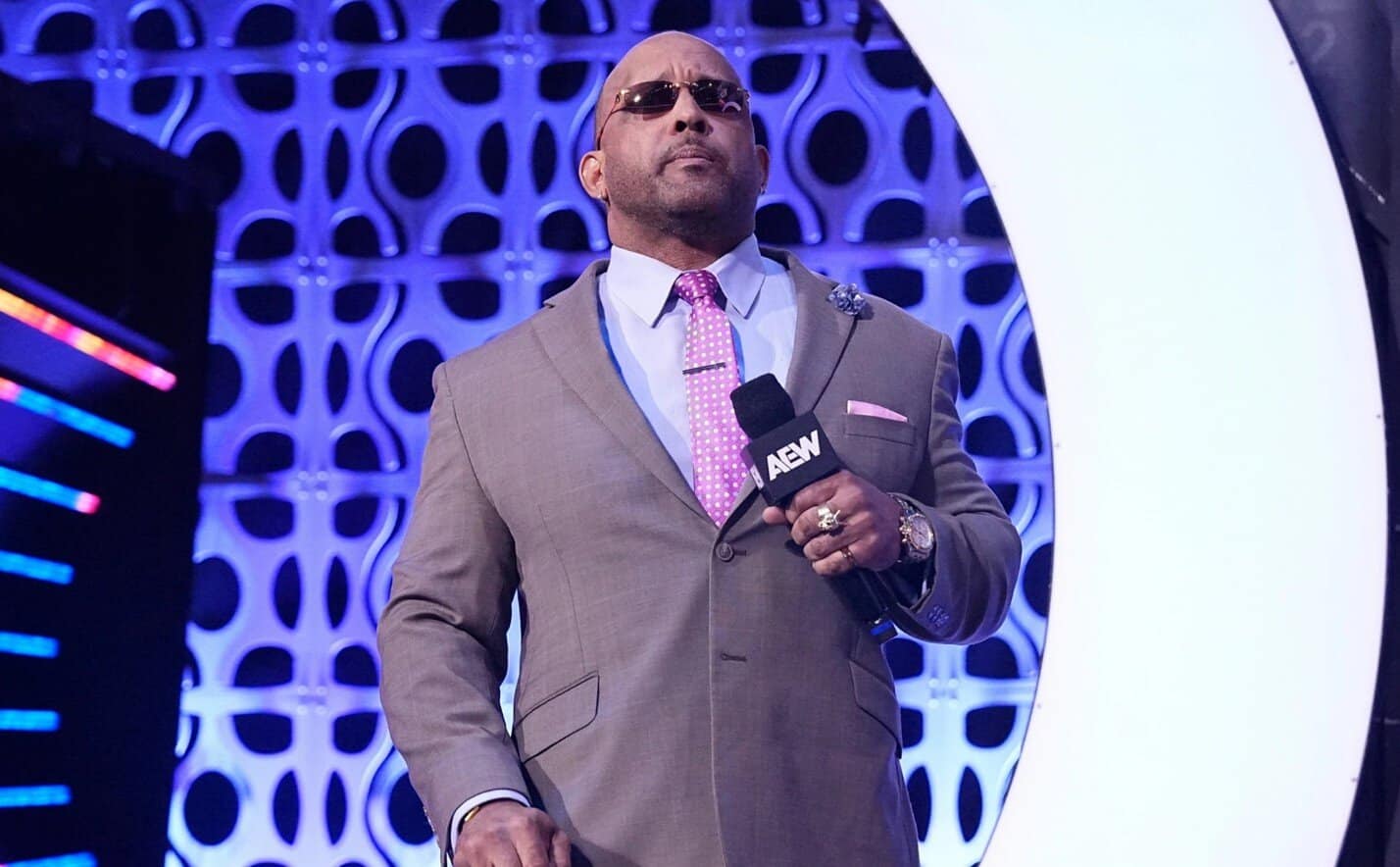
MVP explained that most wrestling contracts allow companies to extend a wrestler’s deal by the amount of time they are sidelined due to injury. Whether this clause is enforced depends largely on the company’s feelings toward the talent. Speaking on the Marking Out podcast with co-host Dwayne Swayze, MVP detailed how this works: if a wrestler signs a three-year contract but is out for six months with a serious injury, the company often reserves the right to add those six months back onto the end of the contract, since the wrestler is still paid during recovery. Essentially, the company sees it as reclaiming time they’ve effectively already paid for.
However, MVP emphasized that this extension is a right the company can choose to exercise—not a requirement. Sometimes companies waive the clause, letting wrestlers go after an injury, while other times they use it either as a legitimate business practice or, in his words, petty tactics to keep talent from jumping to rival promotions. MVP shared that he’s witnessed both sides of this: using the clause professionally because the company invested in medical expenses and paid the wrestler during downtime, and using it more strategically to hold talent back.
When asked if this clause is fair, MVP sided with the companies, reasoning that since they cover surgery, rehab, and keep paying during injury, it’s reasonable to ask for that time back in exchange for the investment made to get the wrestler back in the ring and earning for both parties. He refrained from commenting on how this clause might apply to pregnancy.
MVP also advised wrestlers against hiding injuries, a common practice in the past during his early career, partly thanks to advice from Tony Garea. In those days, wrestlers often tried to conceal injuries to avoid losing TV time, but MVP stressed that today, that approach is outdated and unhealthy. He argued that trying to work through injuries can worsen them and shorten careers, whereas getting prompt medical treatment and rehab allows wrestlers to recover and return stronger.
Using his co-host as an example, MVP illustrated that an established star’s absence due to injury does not diminish their standing; instead, their return can generate excitement. However, he acknowledged that lesser-known wrestlers might struggle more with job security during injury absences. Still, his advice remains: get healthy as quickly as possible. Even if a company lets a wrestler go during recovery, being fully healed improves their chances of finding work elsewhere.
MVP cited real-world examples: Zoey Serrano was released while recovering from a serious knee injury but later signed with TNA after being cleared, whereas Piper Niven remains under WWE contract while sidelined with a neck injury. Neither case reveals specific contract terms, but they illustrate how different companies handle injury situations.
Lastly, MVP clarified that his insights are based on his own understanding of wrestling contracts and industry practice rather than any specific legal agreement—he is not a lawyer or agent. Tony Garea, credited by MVP for the old-school approach, had a long career in WWWF/WWF and later served as a behind-the-scenes figure, representing an earlier wrestling mindset opposite to MVP’s current advice. MVP now works in AEW, managing The Hurt Syndicate.
Fan Take: This breakdown sheds light on the hidden mechanics behind wrestling contracts that directly impact wrestlers’ careers and longevity. Understanding these clauses helps fans appreciate the real risks talents face when sidelined and highlights the evolving business side of pro wrestling, potentially influencing how stories and careers play out in the future.
Source: wrestlingnews.co