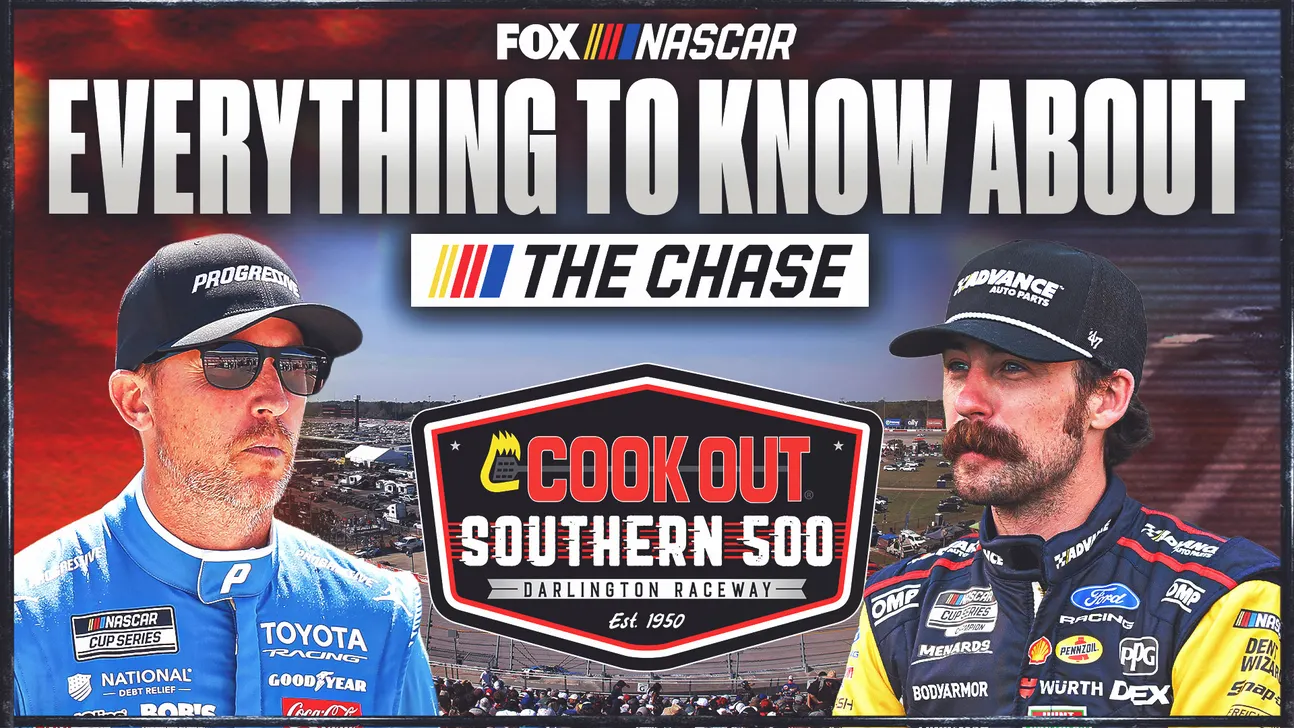
The new NASCAR Chase format actually revisits an older approach. NASCAR has largely returned to the championship style used from 2004 to 2013, where the top drivers contest a 10-race mini-season, with the championship awarded to the driver accumulating the most points.
However, the 2026 version introduces some changes. The previous “OG Chase” predated the concept of stages and stage points. Also, the value assigned to a win relative to a second-place finish has increased significantly—from roughly 1.08-1.15 times before, to 1.57 times now. Additionally, the field size has expanded from 12 to 16 drivers, and the points reset system has been modified.
Here’s a breakdown of the new Chase:
Who’s Competing?
The top 16 drivers from the regular season are seeded and start the Chase with points based on their regular-season rankings. The drivers include Denny Hamlin (2,100 points), Ryan Blaney (2,075), Tyler Reddick (2,065), Ty Gibbs (2,060), Chase Briscoe (2,055), Christopher Bell (2,050), Kyle Larson (2,045), Chase Elliott (2,040), Joey Logano (2,035), Chris Buescher (2,030), Daniel Suárez (2,025), Carson Hocevar (2,020), William Byron (2,015), Bubba Wallace (2,010), Austin Cindric (2,005), and Ryan Preece (2,005).
Where Are They Racing?
All ten races take place on oval tracks: Darlington (1.336 miles), Gateway (1.25), Bristol (0.533), Kansas (1.5), Las Vegas (1.5), Charlotte (1.5), Phoenix (1.0), Talladega (2.66), Martinsville (0.526), and Homestead (1.5).
Who’s Favored to Win?
While any of the 16 can claim the title, NASCAR Insights’ models predict that 85% of the time, the champion will come from the top six seeds.
What’s New?
Unlike the previous format which featured elimination rounds after every three races—where the bottom four drivers were cut unless they won a race—this new format doesn’t have eliminations. Instead, the final standings after ten races determine the champion.
Is It Less Exciting Without Eliminations?
Not necessarily. Some drivers, like Christopher Bell, prefer this format, saying it emphasizes consistent performance over simply surviving elimination rounds. “This seems more like racing rather than a game,” Bell said, emphasizing that every race and position now carries weight.
Veterans’ Perspective:
Denny Hamlin and Joey Logano, who competed in the old Chase, noted differences with the new system. Hamlin highlighted that the introduction of stages and bigger bonuses for wins means drivers can make up more ground in the later races. Logano described the current Chase as a hybrid between the old Chase and playoffs format, calling it “its own monster”.
Familiar Tracks?
Only Gateway and Homestead haven’t hosted races this season so far. On the other eight tracks, Hamlin holds the most points, while Logano has the least—but Logano remains confident, pointing out his wins at all those venues.
Is This Format Exclusive to the Cup Series?
No, it applies to all three national NASCAR series, albeit with fewer races in the postseason Chases for the O’Reilly Series and the Truck Series.
Experience Counts:
Denny Hamlin leads with 20 Chase appearances, followed by Joey Logano (13), Ryan Blaney (10), Kyle Larson (10), and Chase Elliott (10). Newcomers to this Chase are Carson Hocevar and Ryan Preece.
Team Penske’s Pit Crew Shuffle:
In a surprising move, Team Penske swapped pit crews between Ryan Blaney and Austin Cindric. Although Blaney’s crews have underperformed compared to Cindric’s, the change was a strategic decision to maximize championship chances. Both drivers expressed mixed feelings, acknowledging the business side of racing.
Family Matters:
Daniel Suárez plans to stay at the track even if his wife’s due date for their first child arrives during the Chase, underscoring his commitment during this crucial stretch.
Biggest Surprises and Storylines:
Suárez is one of the biggest shockers, improving from 29th in points last year to 11th this season, attributing his success more to a better car than a changed driving style. Tyler Reddick, who claimed five wins early in the season, struggled later but remains optimistic. Meanwhile, defending champion Kyle Larson enters the Chase winless in 50 races, focusing on consistent effort rather than immediate victories.
Fan Take:
This revival of the older Chase format, but with modern twists, offers NASCAR fans a fresh yet familiar playoff structure that rewards consistent performance and race strategy over just surviving eliminations. It could reignite fierce competition and might bring unpredictable drama that keeps fans on the edge of their seats throughout the 10-race mini-season.
Source: www.foxsports.com