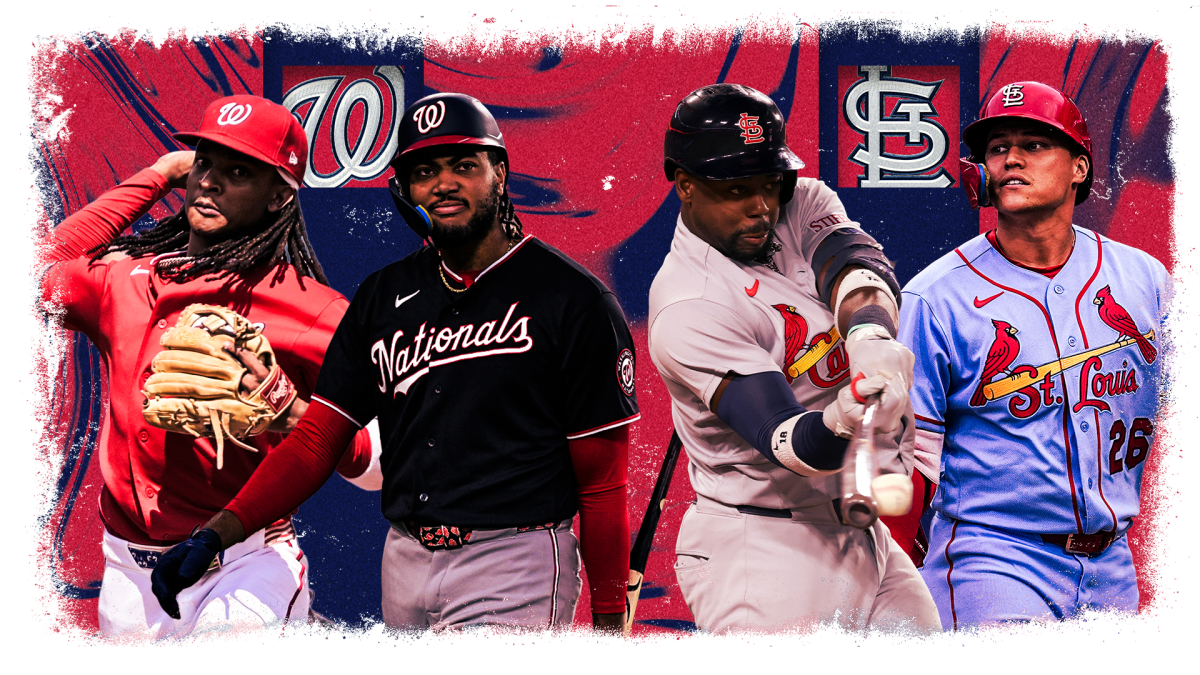
Looking back at the 2026 Major League Baseball season, the St. Louis Cardinals and Washington Nationals emerged as unexpectedly strong performers. While both teams missed the playoffs and ended the year with losing records, most experts had anticipated they would each lose around 100 games. This makes their actual results quite surprising. The Cardinals still have a chance to finish at or above .500, and the Nationals currently hold a positive run differential, a notable achievement compared to preseason expectations.
Looking ahead to 2027, there is a real possibility that one or both teams could take a significant step forward and challenge for postseason spots. Both franchises are young and progressing upward, which suggests they could transition from rebuilding phases to contenders, despite their 2026 playoff exits. Here’s a deeper dive into their outlook.
A major concern for both clubs is the weakness of their bullpens. Rebuilding teams typically deprioritize bullpen construction, and this was certainly true for the Cardinals and Nationals, resulting in poor performances. Examining bullpen stats compared to other MLB teams reveals they rank near the bottom in runs allowed, strikeout rates, and fielding independent pitching (FIP). Additionally, both teams lead the league in blown saves and “meltdowns,” where a reliever significantly worsens the team’s chance of winning—a glaring sign of bullpen struggles. Since modern starters tend to pitch fewer innings, a reliable bullpen is crucial, and currently, these two squads fall short in that department.
On the bright side, improving the bullpen is achievable through various avenues such as player development, converting starters to relievers, and internal promotions rather than relying on expensive free-agent signings. Front offices in St. Louis and Washington have demonstrated progressive strategies and should be able to make meaningful improvements to their relief staff. Without such upgrades, however, neither team will be competitive in 2027.
The rest of their rosters paint a more optimistic picture. The Nationals boast one of the most potent and youngest offensive lineups in the league, with key players like CJ Abrams remaining in place and hopes high that outfielder Dylan Crews will develop into a core contributor alongside All-Star James Wood. Meanwhile, the Cardinals feature the league’s second-youngest batting order, stabilized by prospects JJ Wetherholt, Jordan Walker, and Alec Burleson, with catcher Leo Bernal’s rise reducing positional concerns to mainly third base and center field—areas where future prospects exist to fill gaps.
Both teams rank highly in expected weighted on-base average (xwOBA), a statistic that evaluates an offense’s underlying skill and predictive future performance by accounting for contact quality and removing luck factors. The young lineups of St. Louis and Washington grade well in this metric, suggesting their offenses should remain strong into 2027.
When it comes to starting rotations, St. Louis holds a mix of established arms like Kyle Leahy, Michael McGreevy, and Andre Pallante, along with promising candidates competing for additional spots. Washington’s rotation is anchored by Cade Cavalli and emerging talents such as Andrew Alvarez and Jarlin Susana, with new acquisition Connelly Early potentially debuting soon. Both teams also have room to explore free-agent signings to bolster starting pitching depth.
An important wildcard in all of this is the ongoing collective bargaining agreement negotiations, which could affect whether or not the 2027 season proceeds as planned. There’s also speculation about expanding the postseason, potentially lowering the threshold for playoff qualification. While expanded playoffs might dilute the competitiveness of the postseason, they would offer rebuilding teams like the Cardinals and Nationals a better chance to reach October baseball, making the 2027 season an intriguing one to watch for these clubs.
To sum up, assuming both teams can fix their bullpen issues, they possess young, talented cores and pitching depth that could realistically propel them into playoff contention next year—regardless of how MLB’s labor situation unfolds.
Fan Take: This development is exciting for baseball fans because it signals that two traditionally struggling teams might become competitive contenders sooner than expected, injecting fresh energy into the league. If these rebuilding clubs can capitalize on their young talent and address key weaknesses, it could lead to more balanced and thrilling competition in the years ahead, which is great for the overall health of the sport.
Source: www.cbssports.com